
24/7 Customer Support

Free returns

Same-day & Next-day Delivery

Quality Guaranteed

Unlock Your Welcome Offers: FREE Delivery | Up to 80% OFF | Free 30-day JoyPlus trial
Download the APP
Choosing between sports and energy drinks can be surprisingly difficult. Shelves and online listings are filled with promises about hydration, focus, electrolytes and sustained energy, but the important details are often hidden in the nutrition panel.
For UK shoppers, the right drink depends on when you plan to use it, how much sugar or caffeine you want, and whether a single bottle or multipack makes financial sense. This guide explains the practical checks that can help you avoid paying for features you do not need.
Sports hydration beverages and electrolyte drinks are primarily designed for fluid intake, with ingredients such as sodium and potassium. Energy drinks, by contrast, commonly contain caffeine and may also include taurine, guarana or B vitamins.
A caffeinated drink may feel energising, but that does not make it a substitute for water or a suitable choice for every workout. Check the label for caffeine per 100ml and per serving before buying, particularly if the drink is intended for study, work or travel.
Zero-sugar energy drinks can reduce sugar intake, but they may contain sweeteners and still have a relatively high caffeine content. For example, some 355ml cans provide more than 100mg of caffeine, while a 500ml can may contain considerably more.
Read the full ingredient list and safety advice. High-caffeine products are generally not recommended for children, pregnant or breastfeeding women, or people sensitive to caffeine. Avoid using them close to bedtime.
Bulk drinks packs can lower the cost per bottle or can, but only if the flavour and format suit your routine. A 12-pack of a drink you rarely finish can create unnecessary expense and storage problems.
Compare:
Sugar levels vary substantially between isotonic sports drinks, fruit-flavoured drinks and energy drinks. Some standard sports drinks contain around 6g of carbohydrate per 100ml, while zero-sugar energy drinks may list 0g sugar and very few calories.
A drink containing carbohydrates may be relevant during prolonged or demanding exercise, but it may be unnecessary for desk work or casual refreshment. Look at both carbohydrate and “of which sugars” rather than relying on front-of-pack language.
Electrolytes usually include sodium, potassium and sometimes magnesium or calcium. The amount and balance differ by product, so “electrolyte drink” is not a complete specification by itself.
For everyday hydration, flavour and tolerability may matter more than a complex formula. For exercise involving significant sweating, compare the sodium or salt information and follow the product’s serving guidance. Do not assume that every drink labelled as an isotonic sports drink has the same composition.
Caffeine is usually listed per 100ml, but the total amount per bottle or can is more useful when deciding what to purchase. A drink containing 32mg of caffeine per 100ml provides 160mg in a 500ml can.
Also check whether the multipack encourages larger daily consumption. Follow the manufacturer’s instructions and do not combine several caffeinated products without considering your total intake.
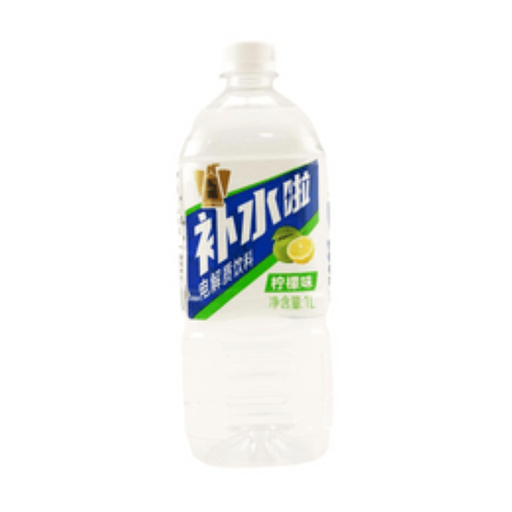
Why This Fits Their Persona: A single 555ml bottle offers a practical way to try an electrolyte drink for school, commuting, casual exercise or everyday refreshment without committing to a large case.
The label provides clear nutrition information, including 6.0g of sugars per 100ml, so shoppers can assess the drink rather than relying only on “hydration” wording.
Lemon flavour, 555ml ready-to-drink format and electrolytes including salt, sodium citrate and potassium chloride.
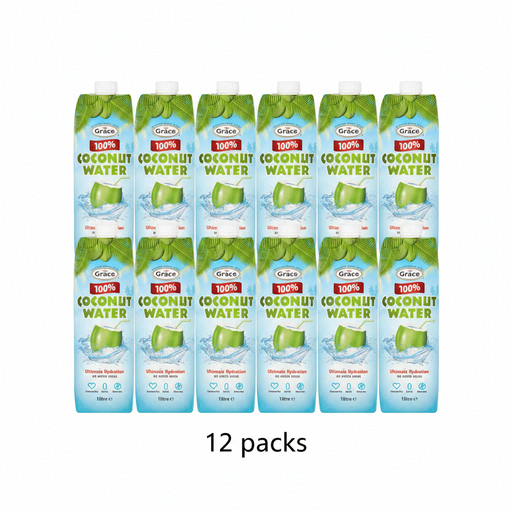
Why This Fits Their Persona: A 1L carton format suits shoppers who prefer a simple ingredient list and want a larger chilled drink for home use, meals or post-workout routines.
The ingredient list states “Coconut Water” and the nutrition panel shows 5.0g of sugars per 100ml, helping buyers distinguish natural sugars from a zero-sugar formula.
No added sugar, zero fat, not from concentrate and suitable for vegetarians. Refrigerate after opening and consume within three days.
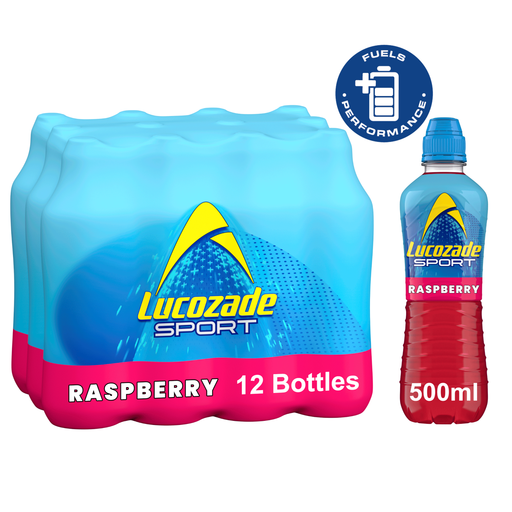
Why This Fits Their Persona: The 12-bottle case is convenient for regular training, sports clubs, workplaces or households that want ready-to-grab isotonic drinks.
The product specifies a 500ml bottle size, raspberry flavour and nutrition per 100ml, making it easier to compare with other isotonic sports drinks.
12 x 500ml bottles, carbohydrate content for comparison during exercise and electrolytes including sodium chloride. Contains aspartame and a source of phenylalanine.
If your priority is alertness rather than exercise hydration, compare caffeine energy drinks by total caffeine, sugar and pack size. CELSIUS Kiwi Guava provides 113.6mg caffeine per 355ml can and zero sugar, while Monster Ultra White lists 160mg caffeine per 500ml can and zero sugar. These are intended for adults who tolerate caffeine, not children or people advised to avoid it.
For a lower-commitment purchase, a four-pack such as Monster Rio Punch or Lucozade Energy Original can be easier to trial than a 12-can case. Check sugar carefully: Monster Rio Punch lists 35g sugars per 500ml can, while zero-sugar products use sweeteners instead.
We have compiled a complete, real-time list of products that fully satisfy these strict selection criteria and UK safety regulations.
Water is usually suitable for routine hydration. Sports drinks may be useful around longer or sweat-heavy exercise, while energy drinks contain caffeine and should be selected according to personal tolerance and label guidance.
“Zero sugar” only describes the sugar content. These drinks may still contain caffeine, acids and sweeteners. Compare the full nutrition and ingredient panels before purchasing.
They can offer a lower cost per serving, but compare the total volume and check that you will use the drinks before their best-before date. Multipacks are particularly practical for regular gym sessions, group activities, work cupboards and back-to-school drinks.