
24/7 全天候客户支持

免费退货

当日/次日达

品质保障

开启新人专享福利: 全场免邮 | 低至 2 折 | 免费试用 30 天 JoyPlus 会员
下载 Joybuy
A reliable sports water bottle seems like a simple purchase, but many of us have a collection of failed attempts in the back of a cupboard. Whether it's a bottle that leaked all over a new gym bag, one that made water taste like plastic or an expensive insulated flask that couldn't keep a drink cool past lunchtime, the frustration is real.
As the Joybuy Product Recommendation Officer, my role is to help you see past the marketing jargon. Before you spend another pound, let's look at the common pitfalls that lead to buyer's remorse and what to check for instead.
The "Leak-Proof" Promise That Fails: The most common complaint is a bottle that starts leaking after a few uses. This is often due to overly complex lid mechanisms with small, fragile parts that wear out or low-quality silicone seals that warp and lose their shape. A truly leak-proof water bottle relies on simple, robust design, not just a claim on the packaging.
The Hidden Material Flaws: Many bottles look sturdy, but the material itself can be the problem. Cheaper, non-certified plastics can contain BPA, a chemical you want to avoid. These materials can also absorb odours and flavours, leaving your water with a permanent, unpleasant aftertaste. A quality BPA-free water bottle is a non-negotiable starting point.
The Insulation Illusion: An insulated water bottle that leaves you with lukewarm water is a waste of money. The effectiveness of insulation depends entirely on the quality of the vacuum seal between the double walls and the grade of the steel used. Many budget options cut corners here, resulting in poor temperature retention.
To find a bottle that performs well and lasts, focus on these core parameters.
The material of your bottle dictates its durability, weight and how it affects the taste of your drink.
The lid is the most critical component for preventing leaks. Instead of being swayed by complex one-touch opening systems, inspect the fundamentals:
Consider how and where you'll use the bottle.
Here are a few options that align with these practical principles, matched to different user needs.
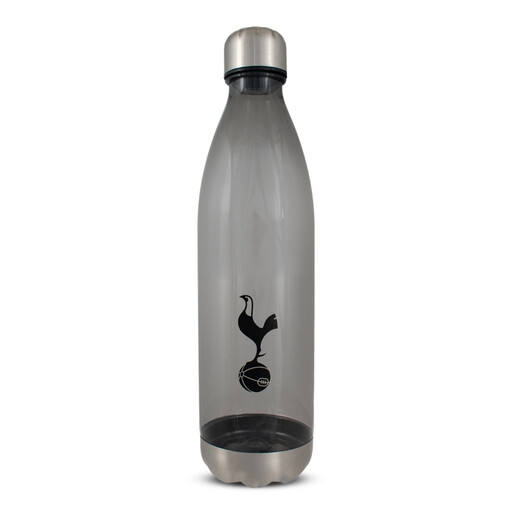
Why This Fits Their Persona: This officially licensed bottle is for the fan who wants to show their support while staying hydrated. The large 1-litre water bottle capacity is ideal for match days or long training sessions, and the clear design makes it easy to track fluid intake.
It uses a simple, secure screw-top lid, avoiding the complex mechanisms that are prone to breaking and leaking. The high-quality, durable plastic construction addresses concerns about material integrity.
Generous 1-litre capacity and official club branding. It's a practical and lightweight choice for everyday use.
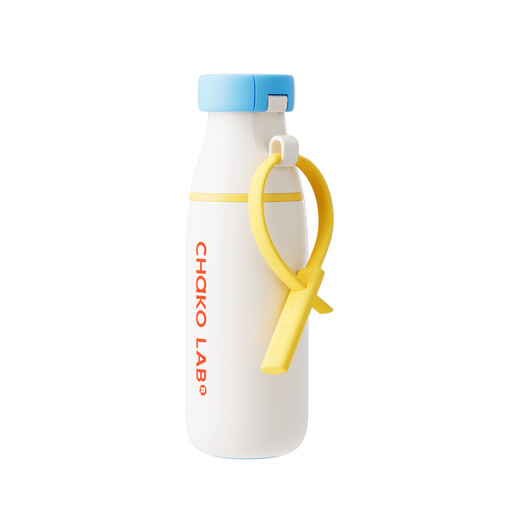
Why This Fits Their Persona: For those who need their drink to stay cold through a long workout, this insulated water bottle is a strong contender. Its double-wall vacuum design and versatile spout lid with a straw option make it a practical gym water bottle.
It directly counters the "Insulation Illusion" with its double-wall construction. The use of food-grade 18/10 stainless steel and a BPA-free lid addresses material safety and taste-retention issues.
Keeps drinks cold for up to 10 hours. It includes two carrying options (handle and strap) and two drinking methods (spout and straw).
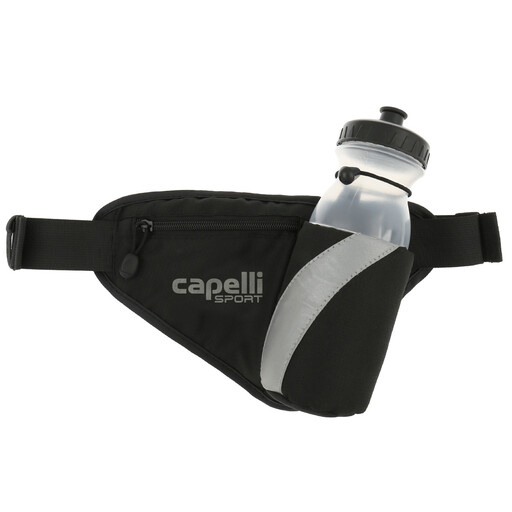
Why This Fits Their Persona: This is a purpose-built running water bottle. The integrated hand strap allows for comfortable, hands-free carrying, while the soft, squeezable body makes it easy to drink from mid-stride without breaking pace.
It is made from taste-free, phthalate-free HDPE plastic, directly addressing the material safety and odour-retention trap. Its design is purely functional, focusing on ergonomics rather than complex, breakable parts.
Ergonomic handheld design for runners. The material is lightweight, squeezable and guaranteed to be free from taste, odours and harmful chemicals.
We have compiled a complete, real-time list of products that fully satisfy these strict selection criteria and UK safety regulations.
1. How often should I replace my sports water bottle? For a high-quality stainless steel water bottle, it can last for many years with proper care. For plastic bottles, it's wise to inspect them regularly for deep scratches, cloudiness or any persistent odours. If you notice any of these signs or if the lid seal is damaged, it's time for a replacement, typically every 1-2 years for a heavily used plastic bottle.
2. Can I put my insulated stainless steel bottle in the dishwasher? It is generally not recommended. The high heat and harsh detergents in a dishwasher can damage the exterior finish and, more importantly, compromise the vacuum seal that provides the insulation. Hand washing with warm, soapy water is the advised method to preserve its performance and appearance.