For a typical 5k after a carbohydrate-based breakfast, choose water rather than assuming you need a sports drink: the UK Sports Institute says a sports drink is probably unnecessary in that situation. If you have missed breakfast and want drinkable carbohydrate, compare the exact drink label before buying. For carrying fluid, choose a practical running container and check the organiser’s instructions rather than assuming a glass bottle is suitable for an event.
Who is choosing a drink for a 5k?
Whether a sports drink is useful depends more on your reason for drinking it than on the 5k distance alone.
Runners who have eaten before setting off
If you have had a carbohydrate-based breakfast, the UK Sports Institute’s parkrun guidance says you probably do not need a sports drink for the run. Water remains an option when you want fluid rather than drinkable carbohydrate.
Runners who have missed breakfast
If eating before the run is impractical, you may want to consider drinkable carbohydrate. The UK Sports Institute describes a carbohydrate drink as an option in this situation; that is a different reason for choosing a drink from simply wanting water.
Runners considering a glass bottle
Think about where you will drink it and whether you intend to carry it. Check the exact bottle material and your event’s instructions before choosing glass for an organised run.
What should you check before buying?
Decide whether you want fluid or drinkable carbohydrate first. Then compare the serving label and the container you would actually use.
| Priority | What to check | Your needs |
|---|
| Reason for drinking |
Consider whether you have eaten before the run and want only fluid, or have missed breakfast and want drinkable carbohydrate. The UK Sports Institute says a sports drink is probably unnecessary after a carbohydrate-based breakfast. |
I have already eaten and mainly want something to drink during or after my 5k. |
| Carbohydrate and sugars |
Check both the per-100ml values and the amount in the bottle or serving you plan to drink. Sainsbury’s lists 26.0g carbohydrate and 21.3g sugars per 500ml bottle of Raspberry Bolt; Tesco Groceries lists 26.5g and 22.4g respectively for a 500ml KX Orange bottle. |
If I am choosing a drink for carbohydrate, I want to know how much the serving supplies. Otherwise, I would rather not choose by the word “sports” alone. |
| Other label details |
Check the exact product’s ingredients, salt or sodium declaration, sweeteners and serving size. Do not assume that drinks described as isotonic have identical formulations. |
For a longer or sweatier training session, I want to compare what each drink contains, not just its category name. |
| Bottle and event logistics |
Confirm the packaging material and whether the container is practical to carry. Read the specific organiser’s instructions and any information about refill points; one event’s arrangements do not set rules for every 5k. |
I need a container I can carry comfortably, or a clear plan for where I will get water. If I am considering glass, I will check whether I can bring it. |
Common buying mistakes
-
Assuming every 5k needs sports-drink fuel
A sports drink adds carbohydrate when you may only want fluid. The UK Sports Institute says one is probably unnecessary for a short run after a carbohydrate-based breakfast.
Ask whether you need drinkable carbohydrate because you have missed food before the run. If you want fluid instead, consider water; the NHS identifies it as a way to replace fluid lost through physical activity.
-
Comparing drinks without checking the serving
The word “isotonic” does not tell you how much sugar is in the quantity you will drink. Sainsbury’s Raspberry Bolt lists 21.3g sugars per 500ml bottle, while Tesco Groceries lists 22.4g for a 500ml KX Orange bottle.
Compare the per-100ml and per-bottle figures, keeping the serving size alongside each number.
-
Choosing glass without a carrying plan
A bottle that suits drinking before or after a run may not suit carrying during it. Container arrangements are event-specific: London Marathon Events, for example, describes refill points for hydration vests and handheld running bottles.
If you plan to bring glass to a 5k event, check the organiser’s instructions and the exact product packaging. Otherwise, plan around a running bottle or the water arrangements your event describes.
Brand and product-line references
These retailer-listed examples show why the exact flavour, bottle size and label matter; a brand name alone does not settle the 5k drinking decision.
Lucozade Sport
Sainsbury’s lists Lucozade Sport Raspberry as a 500ml isotonic sports drink.
- The Raspberry listing describes approximately 16g carbohydrate per 250ml serving, a figure to compare against the amount you would drink.
- Its product description refers to prolonged endurance exercise; that does not establish a need for the drink on every 5k.
Powerade
Sainsbury’s lists Berry & Tropical in 500ml and 4 × 500ml formats; the multipack description calls it a still isotonic drink.
- The listed formats let you compare a single bottle with a multipack of the named flavour.
- The product’s exercise-related wording does not establish that it is necessary for a short run.
Sainsbury’s Bolt
Sainsbury’s Raspberry Bolt is a listed 500ml isotonic sports drink.
- Its bottle declaration gives 26.0g carbohydrate, 21.3g sugars and 0.65g salt per 500ml.
- Those figures describe the named Raspberry product, not every own-brand sports drink.
KX
Tesco Groceries lists KX Orange isotonic sports drink as a 4 × 500ml pack.
- The listing declares 26.5g carbohydrate, 22.4g sugars and 0.63g salt per 500ml bottle.
- Compare those bottle-level figures with how much you expect to drink, rather than treating the pack size as a reason to use it for a 5k.
Joybuy drink options
These are ready-to-drink sports or electrolyte drink options to consider if you specifically want drinkable carbohydrate. They are not a selection of glass-bottled drinks or a reason to choose a sports drink instead of water for a typical well-fuelled 5k; check bottle material and event instructions if you intend to carry one.
 No image available
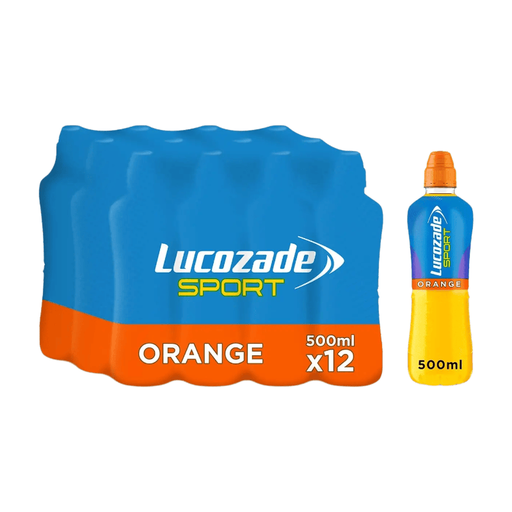
Lucozade Sport Orange 12 × 500ml
Consider this sports-drink pack if you want to compare a drinkable-carbohydrate option with water for your run. The pack contains 12 × 500ml bottles; check whether that quantity suits your plans, and confirm the bottle material and your event’s carrying rules if relevant.
View on Joybuy
 No image available
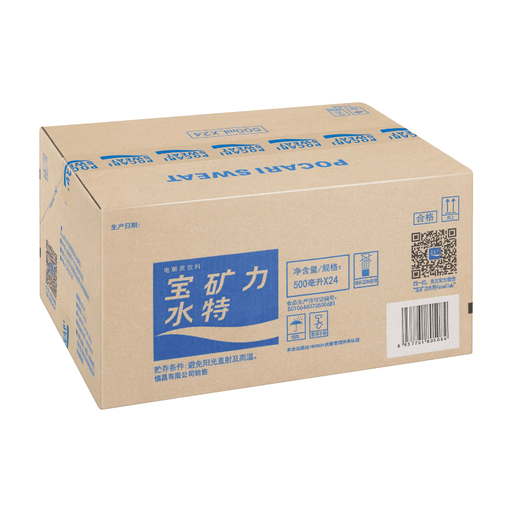
Pocari Sweat Sports Drink 24 × 500ml
This 24 × 500ml sports-drink pack is an option to examine when you specifically want a drink rather than food before a run. Compare the exact label with your intended serving, and confirm the bottle material and whether its container works for carrying during your event.
View on Joybuy
 No image available
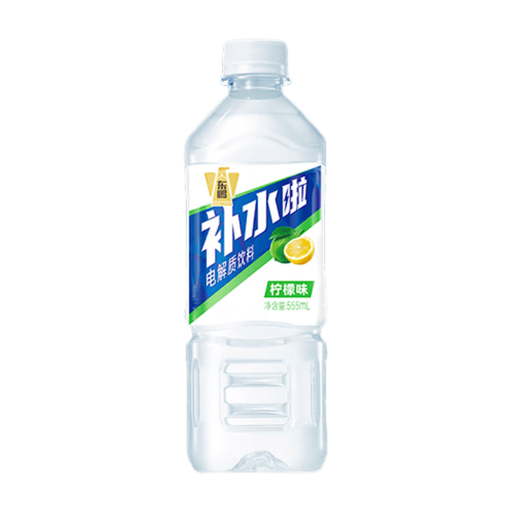
DP Lemon Flavour Electrolyte Drink with Sweetener, 555ml
This is a 555ml electrolyte drink with sweetener, rather than a product to assume is identical to an isotonic sports drink. Check its carbohydrate and sugar declaration against your reason for choosing a drink, and confirm the bottle material before planning to carry it.
View on Joybuy
Questions about 5k drinks and bottles
Do I need a sports drink for a 5k?
Probably not if you have had a carbohydrate-based breakfast: that is the UK Sports Institute’s advice for a short parkrun-style run. Its guidance describes a carbohydrate drink as an option when you have not had time for breakfast or do not like eating before running.
What should I compare on a sports-drink label?
Start with serving size, carbohydrate and sugars, then check the other ingredients and salt or sodium declaration on the exact product. Bottle-level figures can differ: Sainsbury’s lists 21.3g sugars per 500ml Raspberry Bolt bottle, while Tesco Groceries lists 22.4g per 500ml KX Orange bottle.
Can I bring a glass bottle to a 5k event?
Check that event’s runner instructions before bringing one; do not assume a rule from another race applies. If you intend to carry a drink, also confirm the product’s bottle material and whether the container is practical for your run.
Should a sports drink replace water for everyday hydration?
No sports drink is needed simply because you want a drink. The NHS identifies water as a way to replace fluid lost through physical activity and advises against having high-sugar drinks too often; choose a carbohydrate drink for a specific fuelling reason rather than as your automatic water replacement.


