Brunch shoppers watching sugar intake
If brunch is a relaxed meal rather than part of a workout, water is a straightforward starting point. If you prefer a flavoured sports-style drink, compare zero-sugar products with regular isotonic drinks.


For a Sunday brunch without prolonged exercise, start with water rather than a carbohydrate-containing sports drink; the NHS describes water as a choice for hydration. If you want a flavoured drink around light activity, a zero-sugar option avoids the sugar in regular isotonic products, while a carbohydrate-electrolyte drink makes more sense when you specifically want fuel for prolonged endurance exercise.
If brunch is a relaxed meal rather than part of a workout, water is a straightforward starting point. If you prefer a flavoured sports-style drink, compare zero-sugar products with regular isotonic drinks.
For a walk or light workout, you may want a flavoured drink without the carbohydrate in a regular isotonic product. Check the exact bottle for sweeteners and salt or sodium if those ingredients matter to you.
If brunch falls before or after prolonged endurance exercise, a carbohydrate-electrolyte drink is a different choice from routine refreshment. Check its carbohydrate and sugar content against what you intend to drink during the activity.
Decide whether the drink is for brunch alone, light activity or prolonged exercise, then compare nutrition information for the amount you will actually drink.
| Priority | What to check | Your needs |
|---|---|---|
| Routine hydration | Consider water when no prolonged exercise is planned. The NHS describes water as a choice for hydration. | Brunch is the occasion, not a training session; I want a drink with the meal rather than exercise fuel. |
| Exercise fuel | Check whether the drink contains carbohydrate and electrolytes, and whether your activity is prolonged endurance exercise. Tesco Groceries describes regular Lucozade Sport and Gatorade products in that exercise context. | If brunch sits alongside a long endurance session, I may want carbohydrate in my drink. For a walk or light workout, that is not the reason I am choosing one. |
| Sugar content | Compare sugar on the same volume basis. ASDA Groceries lists 4.1g sugars per 100ml for regular Powerade Berry & Tropical, while Tesco Groceries describes Powerade Zero Berry Tropical as zero sugar. | I want a flavoured drink with brunch without choosing the sugar in a regular isotonic version. |
| Ingredients and bottle size | Read the ingredients, sweeteners and any warnings on the exact flavour. Compare per-100ml or per-serving figures with the bottle volume. | A particular sweetener or ingredient warning matters to me, and I expect to drink the whole bottle rather than just the reference serving. |
A regular isotonic drink can also contain sugar: ASDA Groceries lists 4.1g sugars per 100ml for Powerade Berry & Tropical.
If brunch is not paired with prolonged exercise, consider water or compare zero-sugar drinks before choosing carbohydrate fuel.
Zero-sugar drinks can contain sweeteners, and ingredient details differ by product. An ingredient preference cannot be checked from the ‘zero sugar’ wording alone.
Read the ingredients and warnings on the exact bottle, including any information relevant to sweeteners or phenylalanine.
ASDA Groceries lists 4.1g sugars per 100ml for Powerade Berry & Tropical; a 500ml bottle at that concentration contains 20.5g sugars.
Use the whole-bottle figure if the label gives one, or multiply the per-100ml figure by the volume you plan to drink.
The range includes regular carbohydrate-electrolyte drinks and a separate Zero Sugar option.
Powerade has both zero-sugar and regular sports-drink products; check the particular version rather than relying on the brand name.
Tesco Groceries lists bottled Gatorade Cool Blue as a carbohydrate-electrolyte drink associated with prolonged endurance exercise.
These options include a drink for the lower-sugar route and carbohydrate-containing isotonic drinks to consider when brunch is paired with exercise. Check each product's current label for the details that matter to you.
 No image available
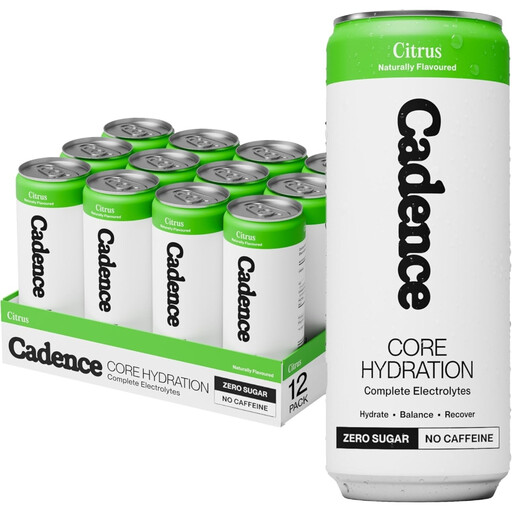
Consider this citrus hydration drink if you want a lower-sugar option around light activity. It is sold as 12 x 330ml; check the can's salt information if that matters to you, and choose a different route if you want carbohydrate fuel.
 No image available
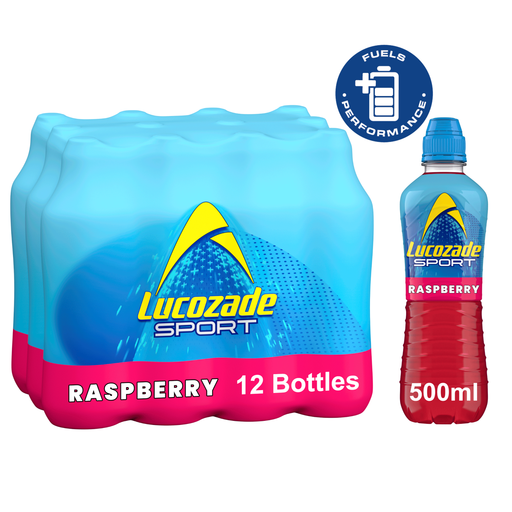
Consider this isotonic drink when you deliberately want carbohydrate and electrolytes around prolonged exercise, rather than a drink for brunch alone. The pack contains 12 x 500ml bottles. Its listing identifies aspartame and a source-of-phenylalanine warning; check the bottle if those ingredients affect your choice.
 No image available
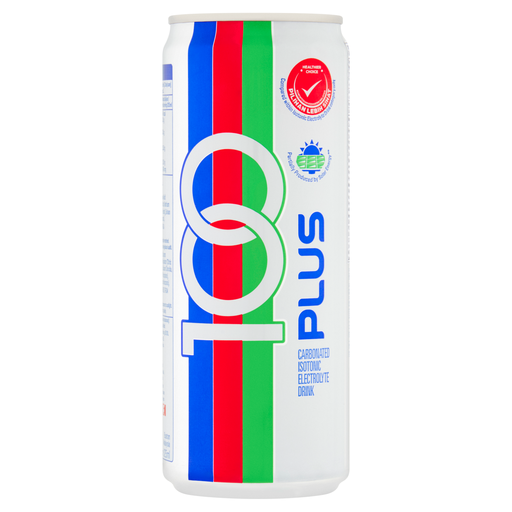
This carbonated isotonic drink is a 325ml option for someone choosing carbohydrate and electrolytes around exercise. If limiting sugar is your main brunch consideration, compare its current nutrition panel with a zero-sugar drink before choosing.
No sports drink is needed just because it is Sunday brunch. The NHS describes water as a choice for hydration; regular carbohydrate-electrolyte drinks are more relevant when you deliberately want carbohydrate around prolonged endurance exercise.
No. Tesco Groceries describes Powerade Zero Berry Tropical as zero sugar, while ASDA Groceries lists 4.1g sugars per 100ml for regular Powerade Berry & Tropical. Choose according to whether you want a flavoured drink without that sugar or are deliberately seeking carbohydrate for exercise.
Read the ingredients and warnings on the exact flavour and pack you intend to buy. The Lucozade Sport Raspberry listing on this page identifies aspartame and a source-of-phenylalanine warning; do not assume every sports drink has the same ingredients.