
24/7 Customer Support

Free returns

Same-day & Next-day Delivery

Quality Guaranteed

Unlock Your Welcome Offers: FREE Delivery | Up to 80% OFF | Free 30-day JoyPlus trial
Download the APP
Buying sportswear can look straightforward until a top rides up during a run, leggings become transparent under tension or a jacket feels too warm for an indoor workout. Marketing terms such as “performance fabric” and “technical fit” do not always tell you how a garment will perform in a British gym, on a wet footpath or during a cold morning commute.
This guide from the Joybuy Product Recommendation Officer focuses on the practical details that matter: fabric composition, fit, weather protection, care requirements and the activity you actually plan to do.
Quick-drying sportswear can be useful for running, gym sessions and cycling because it helps moisture evaporate. However, a thin, moisture-wicking layer may not provide enough warmth for winter walks. Conversely, fleece-lined clothing can feel excessive during an indoor workout.
Choose clothing according to the activity and weather:
Four-way stretch supports movement, but it cannot compensate for incorrect sizing. Sports leggings that are too small may place unnecessary tension on seams, while an oversized training top can catch on equipment or become uncomfortable during exercise.
Check the product’s measurement table rather than relying only on S, M or L. Compare chest, waist, hip and inside-leg measurements with a garment that already fits you. Also check whether the stated dimensions describe the body or the garment.
“Water-resistant” may refer to protection from light rain or splashes. It does not automatically mean that a garment is suitable for prolonged exposure to heavy rain. For outdoor use, look for a stated waterproof rating, taped seams and protected zips.
For example, waterproof hiking trousers listed with a 10,000 mm waterproof rating provide more useful information than an unqualified “rainproof” label. Still, performance can change with wear, washing and the condition of the durable water-repellent finish.
Material affects comfort, breathability, drying speed and warmth. Cotton can feel soft and comfortable for casual sportswear, but polyester and nylon are often selected for moisture management and lower water absorption.
Fabric weight, measured in GSM (grams per square metre), provides a useful comparison:
A fabric specification should be considered alongside construction. Flatlock seams can help reduce rubbing, while mesh panels may increase airflow.
For yoga clothing, running gear and gym wear, check:
A relaxed-fit T-shirt may be more comfortable for casual wear, whereas form-fitting activewear can reduce loose fabric during training. Neither is automatically suitable for every activity.
Outdoor sportswear should be assessed for more than appearance. Useful details include:
Always read the care instructions. Fabric softener may affect some moisture-wicking or water-repellent finishes, while high heat can damage elastane and reduce stretch recovery.
The following selections are matched to different shopping priorities rather than ranked against one another.
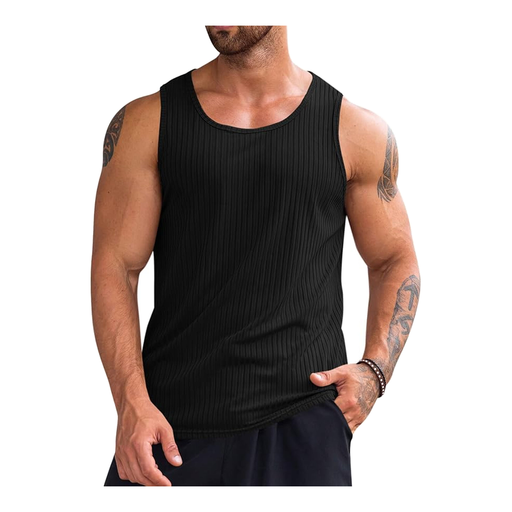
Why This Fits Their Persona: A simple sleeveless layer for gym sessions, warm-weather exercise and casual use, without requiring a complete outfit refresh.
The listing specifies a 70% cotton and 30% spandex ribbed knit, rather than relying only on vague performance wording.
Breathable sleeveless design, stretch fabric and cold-wash care instructions.
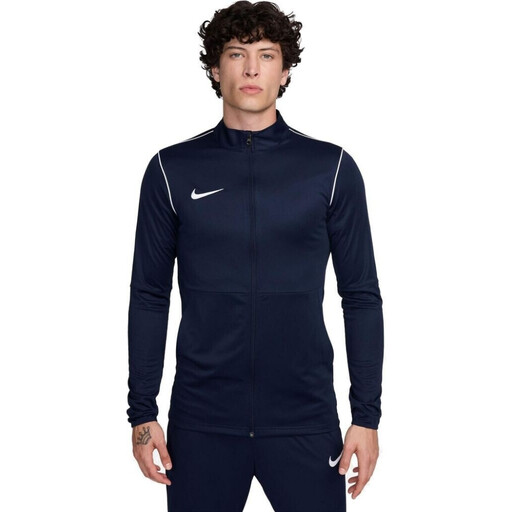
Why This Fits Their Persona: A branded layer for shoppers who want one garment that moves between warm-ups, commuting and everyday casual wear.
Its specification identifies 225 GSM double-knit polyester, a full zip, ribbed trims and a relaxed standard fit.
Two hand pockets, stand-up collar and stated moisture-wicking fabric for layered use.
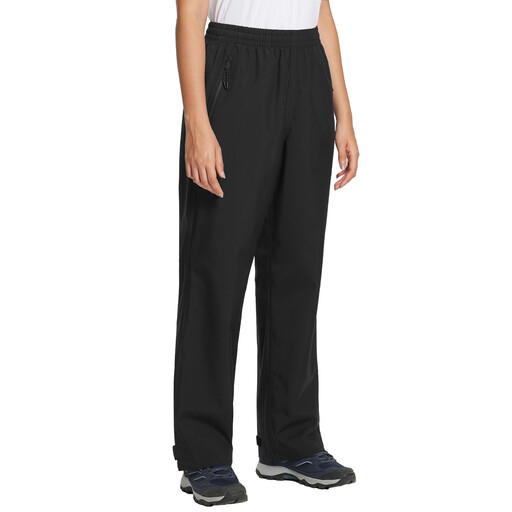
Why This Fits Their Persona: Designed for UK walkers, cyclists and hikers who need a packable outer layer over normal trousers.
The listing states a 10,000 mm waterproof rating, 10,000 g/m² breathability rating and fully taped seams.
Waterproof zipped pockets, adjustable drawstring waist and wide Velcro hems.
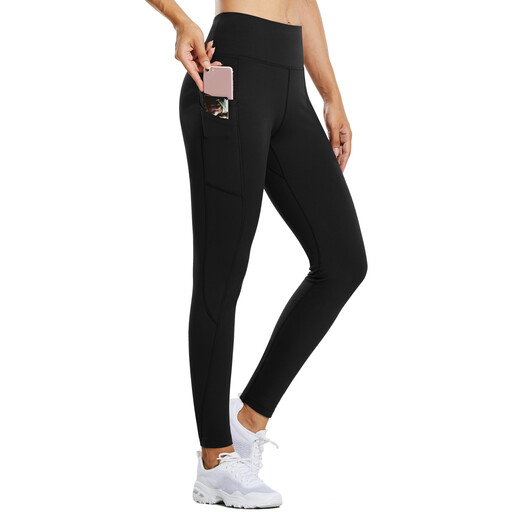
Why This Fits Their Persona: A practical option for winter running, hiking, skiing and daily outdoor wear when additional warmth matters.
The product description separates its soft fleece lining from its water-resistant outer fabric, avoiding an unsupported full-waterproof claim.
Fleece insulation, five pockets and a high-waisted stretch design for outdoor movement.
We have compiled a complete, real-time list of products that fully satisfy these strict selection criteria and UK safety regulations.
For women’s sportswear, compare long-sleeve zip tops with sports leggings to create adaptable layers. The listed women’s four-way-stretch jackets include flatlock seams, quick-drying fabric and stand-up collars; check the colour and size carefully because some listings use different colour descriptions in their titles and specifications.
For men’s sportswear, options range from ribbed tank tops and Under Armour half-zip training tops to Nike track jackets, fleece shorts and jogging bottoms. A cotton-polyester blend may suit casual exercise and lounging, while lightweight polyester is more appropriate when fast drying is a priority.
When a branded item matters, review the exact style code, colour, size chart and product photos before ordering. Colour names such as “Obsidian”, “Charcoal Heather” and “Black” may appear similar online but can look different in natural light.
Start with a breathable training top, flexible bottoms and supportive footwear. Moisture-wicking clothing can help move sweat away from the skin, while four-way stretch is useful for squats, weight training and mobility work. Avoid heavily insulated layers indoors unless the gym is unusually cold.
Lifespan depends on frequency of use, washing temperature, tumble-drying and friction from equipment. Rotate several outfits, follow the care label and avoid bleach or fabric softener where the listing advises against them. Replace garments when seams, elastic, zips or waterproof coatings show clear wear.
The purchase price does not determine ongoing cost. Check washing temperature, drying instructions and whether the garment needs specialist re-treatment. Machine-washable sportswear that can be air-dried may cost less to maintain than clothing requiring frequent high-heat drying or technical reproofing.