Owners of water-safe cushions
If the maker permits water-based cleaning, you may want to tackle a local mark without removing every cover. Check the instructions for the filled cushion as well as its cover.


Choose an upholstery-capable spot cleaner for local spills only when the cushion maker permits water-based cleaning. A compact model suits occasional marks, while larger tanks and a wider tool are worth considering for several cushions; a steam-capable machine needs separate permission to use steam. Check colourfastness in an inconspicuous area before cleaning.
If the maker permits water-based cleaning, you may want to tackle a local mark without removing every cover. Check the instructions for the filled cushion as well as its cover.
Food, muddy marks or pet-related messes make an upholstery tool and a practical clean-up routine more relevant. Vax describes separate everyday and pet-mess tools on its SpotWash Duo.
A portable cleaner may suit local work on cushions, sofas or car interiors when storage space matters more than cleaning several cushions without stopping to refill.
Confirm fabric care first. Then choose an upholstery tool and tank capacity that fit how many cushions you usually clean.
| Concern | What to check | Who this matters to |
|---|---|---|
| Fabric protection | Check the maker’s water-cleaning instructions for both cover and cushion; test colourfastness in a hidden area. | If my cushion has a removable cover, I still need to know whether the fabric and filled cushion can tolerate wet cleaning. Around 45% of consumers put fabric protection first. |
| Recurring messes | Look for an upholstery tool and, if needed, a separate tool for dirtier clean-ups. | For repeated food, mud or pet-related marks, I want a manageable routine for cleaning local spills. Around 33% of consumers prioritise recurring-mess clean-up. |
| Several cushions | Compare clean- and dirty-water tank capacities, upholstery-tool width and storage size. | Cleaning a whole bench set makes interruptions to refill or empty the machine more noticeable. Around 22% of consumers place multi-cushion cleaning first. |
A cover’s washing instructions do not necessarily apply to its backing, seams or filling. Upholstery-code guidance from Michael Jon Designs distinguishes water-cleanable fabric from solvent-only and vacuum-only fabric.
Check the cover and cushion instructions separately. Use wet extraction only where the maker permits it, and test colourfastness in an inconspicuous area first.
Tank capacity and tool coverage affect the practical task of cleaning several cushions. Which? also assesses dirty-water extraction separately when testing carpet cleaners, so a stain claim does not answer every drying question.
For occasional local marks, compare compact upholstery tools. For a bench set, also compare tank capacities, tool width and the space needed to store the machine.
The machine and cleaning product each have directions that matter during filling and use. The Health and Safety Executive identifies hazard and precautionary statements as part of cleaning-product labelling.
Follow the machine maker’s approved-solution and filling instructions, and read and follow the formula’s label precautions.
Manufacturer claims do not establish how a particular cleaner will perform on your cushion. Which? treats stain removal and water extraction as separate questions in its testing.
Use stated features to narrow the choice, and look for independent testing of the exact model if cleaning results or drying time will decide your purchase.
Its SpotWash range includes compact upholstery-oriented models and the larger-tank SpotWash Max Duo.
The SpotClean range includes the HydroSteam 3689E, which offers distinct washing and steam-refresh modes.
Its Portable Spot Cleaner is presented for local work on upholstery, fabric, carpets and car interiors.
Its StainStriker range is positioned for spot cleaning that includes upholstery.
These portable spot cleaners are choices to consider for local marks on bench cushions whose makers permit water-based cleaning. Compare their stated features against the size of the job, and check the cushion’s care instructions before use.
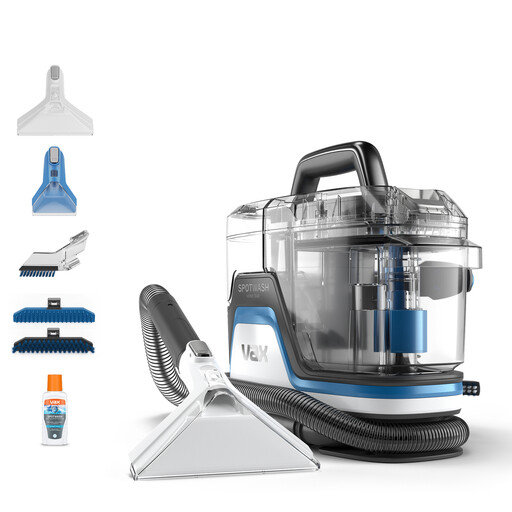 No image available
Consider this portable upholstery spot cleaner for local marks on a water-safe bench cushion. Check that the cushion fabric permits wet cleaning and test colourfastness before use.
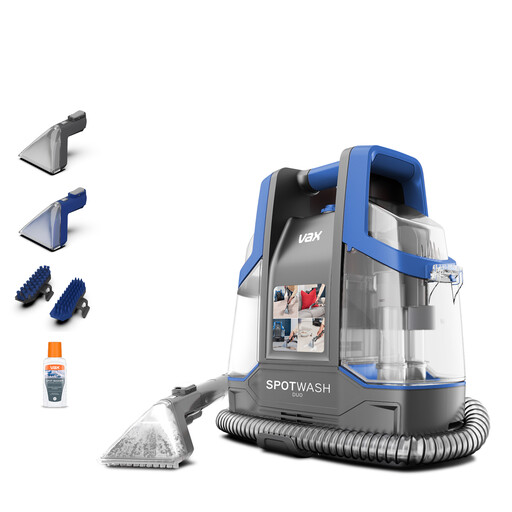 No image available
For local spills on compatible upholstery, Vax describes a multi-purpose upholstery attachment and separate tools for everyday and pet-related messes. Confirm the cushion’s water-cleaning approval and test colourfastness first.
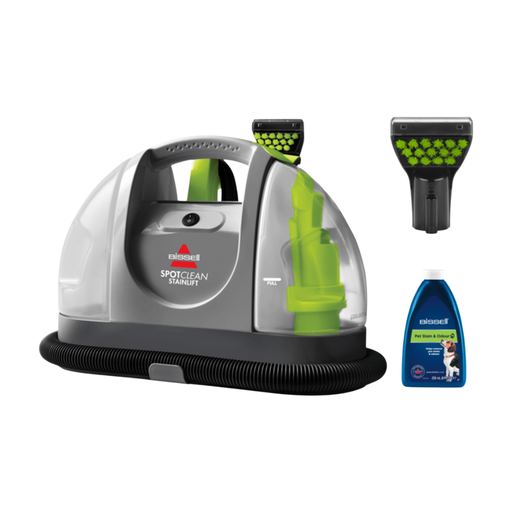 No image available
Consider this portable spot cleaner for a local mark if the bench cushion is approved for water-based cleaning. Follow the cleaner’s instructions and test the cushion’s colourfastness before treating the mark.
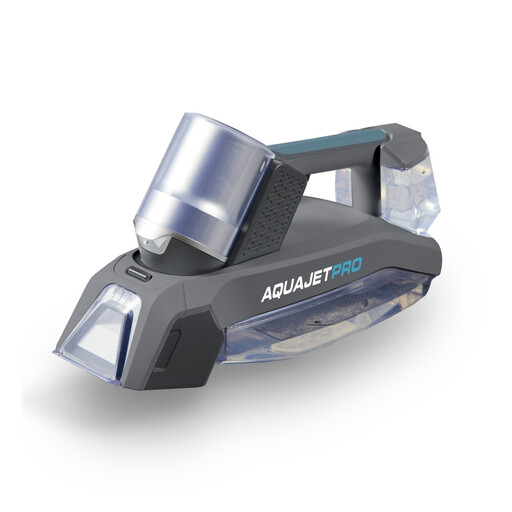 No image available
Cordless operation may suit a local mark where a power cord would be awkward. The product name specifies a rotating brush bar, a 0.3 L clean-water tank, a 0.4 L dirty-water tank and 80 W; consider whether the clean-water capacity suits the number of cushions you plan to tackle.
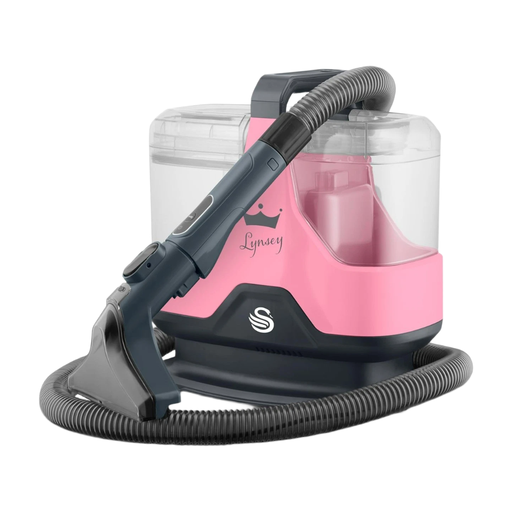 No image available
Consider this model for local upholstery cleaning where a flexible hose is useful. Its product name specifies interchangeable heads, an auto-stopping function and 600 W; check that the cushion permits wet cleaning and follow the machine’s cleaning-agent instructions.
No: a washable cover does not automatically make the filled cushion suitable for wet extraction. Check the maker’s instructions for both parts; Michael Jon Designs’ upholstery-code guidance identifies W as permitting water-based cleaning, S as solvent-only and X as limited to vacuuming or light brushing. Test colourfastness in a hidden area before wet cleaning.
Choose a steam-capable cleaner for a bench cushion only if its maker expressly permits steam. BISSELL describes a Steam Mode for refreshing upholstery on its SpotClean HydroSteam, but permission for water-based washing alone does not establish permission to use steam.
Follow the spot cleaner’s filling instructions and use a solution approved for that machine. Read and follow the formula’s hazard and precautionary label directions; Rug Doctor’s portable-cleaner guidance also distinguishes the water and solution fill indicators.