
24/7 Customer Support

Free returns

Same-day & Next-day Delivery

Quality Guaranteed

Unlock Your Welcome Offers: FREE Delivery | Up to 80% OFF | Free 30-day JoyPlus trial
Download the APP
Spray products are convenient, quick to apply and easy to carry, but the format alone does not guarantee the right performance. Whether you need a deodorant spray for commuting, an SPF 50 sun spray for a beach holiday, mosquito repellent for camping or a shoe protector spray for rainy pavements, small differences in formula and application can affect value.
The main shopping traps are easy to miss:
Start with the result you actually need. For underarms, check whether the product is a deodorant spray, body spray or antiperspirant aerosol. Antiperspirants commonly contain aluminium salts, such as aluminium chlorohydrate, whereas body sprays are generally fragrance-led.
For sun care, compare the SPF and coverage instructions. An SPF 50 sun spray or SPF 50+ product is a practical choice for high protection needs, while an SPF 30 sunscreen mist may suit everyday exposure when applied correctly. Facial products should be labelled for face use; some body aerosols specifically advise spraying onto the palms before applying to the face.
Other formats require equally careful matching:
A number printed on packaging is only useful when the application instructions are followed. Sunscreen products commonly advise applying before sun exposure and reapplying after swimming, sweating or towelling. Water-resistant does not mean permanent protection.
For insect control, higher concentrations may be intended for specific situations rather than daily UK use. For example, the Jungle Formula Maximum Strength Pump Spray contains 50% DEET and is labelled for adults and children from 18 years of age. Read the label carefully, particularly before travel.
Underarm products may state protection durations such as 48 or 72 hours. These figures describe the product’s labelled protection claim, not a reason to avoid washing or reapplying according to personal need.
If you have sensitive skin, compare a fragrance-free spray, alcohol-free formula or product labelled for sensitive skin. Check the complete ingredient list for known sensitivities, including fragrance allergens such as limonene, linalool or geraniol.
Aerosols also require specific handling. Many are extremely flammable, so keep them away from flames, sparks, heat and direct sunlight. Use them in short bursts in a well-ventilated area, avoid inhalation and never spray near the eyes or onto broken skin.
Pump sprays and non-aerosol formulas may be preferable when you want controlled application or fewer pressurised-container warnings. For fabric and footwear products, allow the recommended drying time before wearing or using the item.
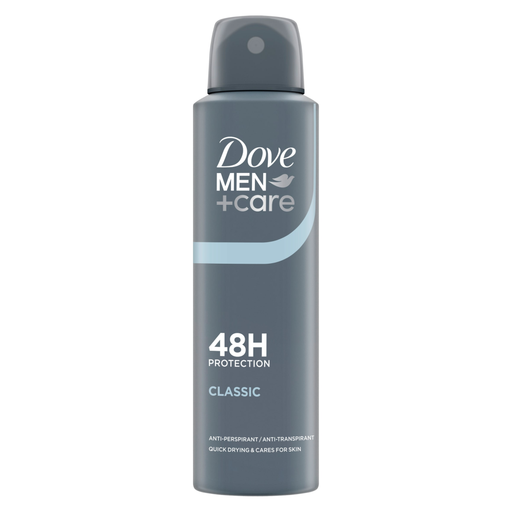
Why This Fits Their Persona: A straightforward underarm option for daily commuting, work and general UK routines, with a 150ml can that is easy to store at home.
It is clearly positioned as an antiperspirant aerosol rather than a fragrance-only body spray, helping shoppers prioritise sweat and odour control.
The product information lists up to 48-hour protection and a formula containing ¼ moisturising cream.
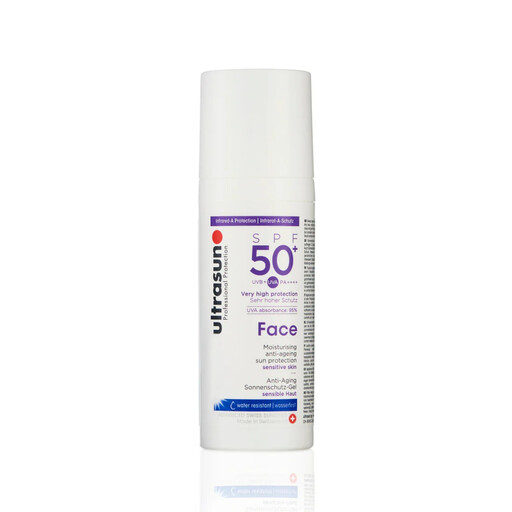
Why This Fits Their Persona: Designed for shoppers who want a dedicated facial sunscreen for daily wear under skincare or make-up.
Its 50ml facial format avoids relying on a general body mist for the face and provides specific face, neck and décolletage directions.
It offers SPF50+ broad-spectrum UVA and UVB protection and a non-comedogenic texture according to the product information.
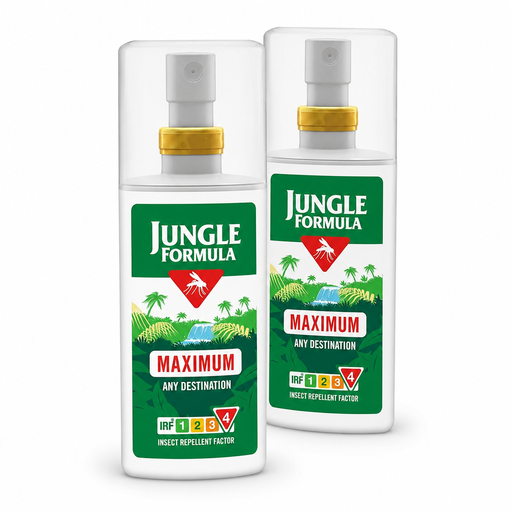
Why This Fits Their Persona: A targeted choice for adults travelling to tropical destinations or planning camping, festivals and outdoor activities.
The 50% DEET concentration and adult-only label make its intended use clearer than choosing a generic mosquito repellent by scent or size.
The pump format allows controlled application, and the pack contains two 90ml bottles for travel planning.
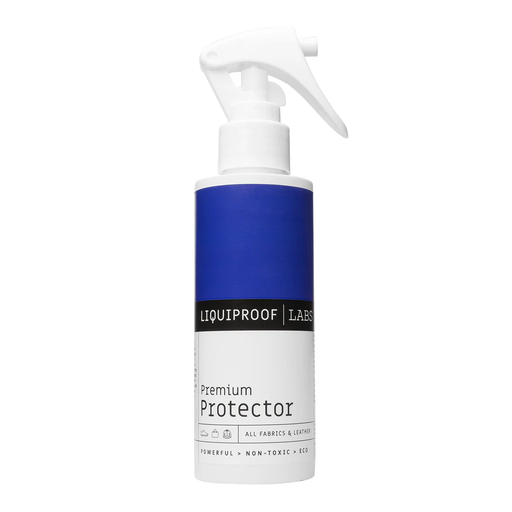
Why This Fits Their Persona: Useful for protecting absorbent footwear and fabrics from rain, mud and everyday spills in the UK.
The label identifies suitable materials, while also warning against pre-treated, patent, oiled or waxed leather.
The non-flammable formula is supplied in a pump bottle and is designed to repel liquid, mud, dirt and stains.
We have compiled a complete, real-time list of products that fully satisfy these strict selection criteria and UK safety regulations.
Not necessarily. Cost depends on the amount used, pack size and how often you reapply. Aerosols can feel quick to use, which may encourage over-application. Compare the net volume, stated number of applications where available and the instructions rather than judging value by the can size alone.
Shelf life varies by product. Check the batch information, expiry date and storage guidance printed on the packaging. Sunscreen and insect repellent should not be used beyond the stated date, while fabric protectors may have different storage requirements. A change in smell, colour, texture or spray pattern is a reason to stop and check the label.
Usually not. A deodorant spray is not sunscreen, a sunscreen mist is not insect repellent and a shoe protector spray is not automatically suitable for every textile. Select products according to their labelled purpose, ingredients, surface compatibility and safety instructions.