
24/7 Customer Support

Free returns

Same-day & Next-day Delivery

Quality Guaranteed

Unlock Your Welcome Offers: FREE Delivery | Up to 80% OFF | Free 30-day JoyPlus trial
Download the APP
Spray products can make everyday routines quicker, from applying sun protection spray before a walk to refreshing underarms or protecting trainers from rain. However, the spray format can also make it harder to judge how much product has been applied and whether it is suitable for your intended use.
The right choice depends on the formula, application method, protection level and safety instructions—not simply the most prominent claim on the label. This guide explains the practical points UK shoppers should check before buying, followed by selected options for different lifestyles.
A fine mist may feel quick and even, but it can leave missed areas, particularly around shoulders, ears, ankles and the backs of legs. This is a common issue with sunscreen spray products. Spraying briefly and assuming the skin is covered may result in using less than the quantity needed for the labelled SPF.
For a reliable application, spray generously, spread where instructed and follow the product’s reapplication guidance. Some products, including sensitive-skin dry mists, state that they should not be sprayed directly onto the face.
A water-resistant spray is not waterproof indefinitely. Swimming, sweating and towel drying can reduce the remaining product on the skin. Sunscreen labels generally advise reapplying after these activities and at regular intervals during sun exposure.
The same principle applies to shoe and fabric protectors. A coating may repel water and stains, but its useful life depends on friction, cleaning, weather and how often the item is worn.
A non-greasy spray may feel more comfortable, but comfort does not replace the correct protection level or compatibility with your skin, hair or material. Fragrance can also be unsuitable for shoppers who prefer a sensitive skin spray. Check the ingredient list, warnings and application directions, especially if you are sensitive to fragrance, alcohol or particular preservatives.
For sunscreen, compare the SPF with your likely exposure. An SPF 30 spray and an SPF 50 spray are both used for UVB protection, but SPF 50 is often selected for fair or sensitive skin, strong sunshine, holidays and extended outdoor activity. Look for clear UVA marking as well as the SPF number.
No sunscreen provides 100% UV protection. Use shade, clothing, a hat and sunglasses, avoid prolonged exposure and keep babies and young children out of direct sunlight. Always follow the product label rather than relying on the spray format to determine coverage.
A pump spray usually offers controlled dispensing and does not use a pressurised aerosol. Aerosols can cover larger areas quickly but must be used in short bursts in a well-ventilated place. Keep flammable aerosols away from flames, sparks and heat, and never pierce or burn the container.
For face use, many sun sprays instruct users to spray into the hands first. Do not inhale aerosol mist or spray near the eyes.
Match the product to the job:
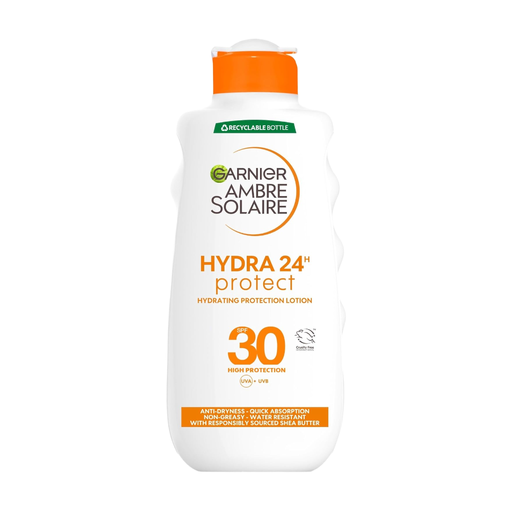
Why This Fits Their Persona: A practical SPF 30 spray for regular UK outdoor use when shoppers want straightforward body application and a 175ml size.
The SPF and water-resistant format are clearly stated, helping buyers avoid selecting a product based only on a vague “sun care” claim.
SPF 30 UVA/UVB protection, shea butter and a fast-absorbing formula.
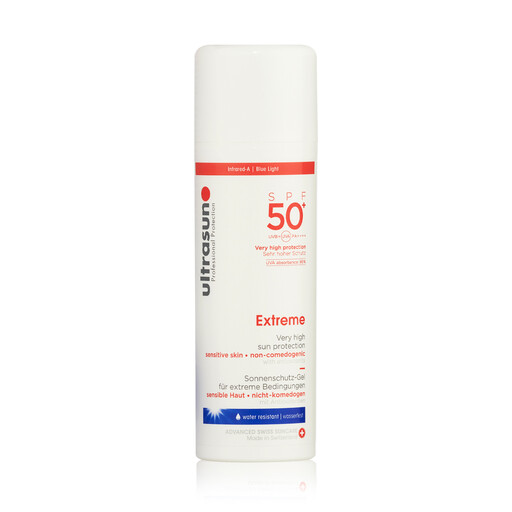
Why This Fits Their Persona: Suited to shoppers seeking SPF50+ protection and a lightweight, water-resistant formula for intense outdoor conditions.
Its stated SPF, application timing and reapplication instructions provide more useful information than an unspecified “maximum protection” message.
SPF50+, lamellar technology and a non-greasy lotion texture.
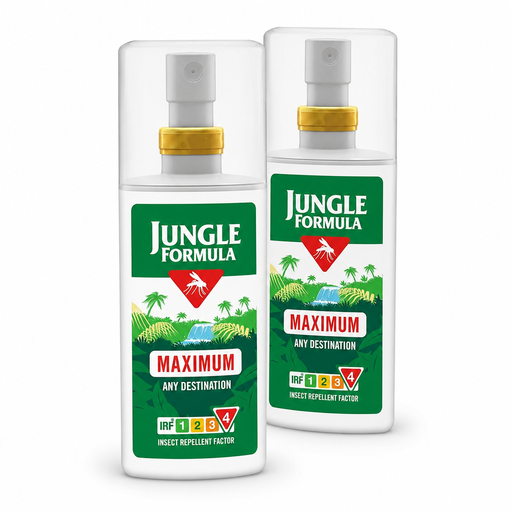
Why This Fits Their Persona: A pump spray option for adults travelling to tropical destinations or spending time camping, gardening and at outdoor events.
The 50% DEET concentration and adult-only direction are explicit, avoiding confusion between everyday fragrance sprays and regulated insect repellents.
Controlled pump application and a two-pack format; use only according to the label.
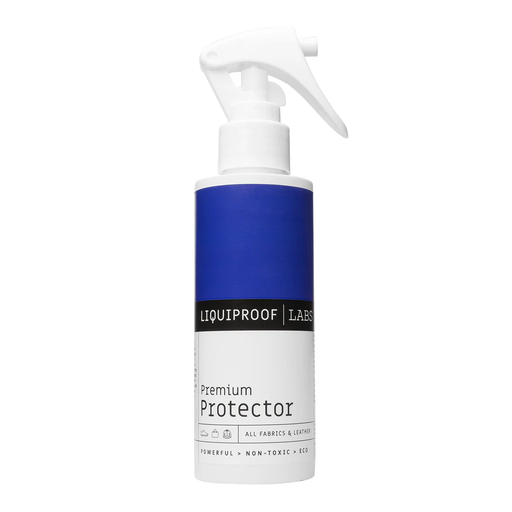
Why This Fits Their Persona: Suitable for shoppers maintaining absorbent footwear and fabrics through wet UK weather, including suede, nubuck, leather and canvas.
The directions specify cleaning, two coats and 24 hours’ drying time, making the preparation requirements clear rather than implying instant protection.
Non-flammable, non-toxic formula; suitable for several absorbent materials when the label permits.
We have compiled a complete, real-time list of products that fully satisfy these strict selection criteria and UK safety regulations.
Before using any spray product:
Not necessarily. The cost depends on how much is dispensed per use and whether coverage is even. Aerosols can feel quick but may encourage short applications, while pump bottles offer more control. Compare the net quantity, recommended application and reapplication frequency rather than price alone.
Lifespan varies by formula and packaging. Sunscreen should be used according to its expiry or period-after-opening guidance and stored away from heat and direct sunlight. Fabric and shoe protectors may last for several months or longer depending on wear, washing and weather exposure. Check the product label for the most reliable information.
Usually not. Sunscreen, deodorant, insect repellent, hair protection and fabric treatments have different ingredients, safety directions and intended surfaces. Use each product only as directed, and never substitute a household protector for a personal-care product.