If your course requires a native SQL Server installation, start with a Windows desktop that meets its software and processor requirements. For a browser, editor and local database running together, 16 GB of memory and an SSD are sensible buying targets, not official SQL Server minimums; choose a compact desktop for limited desk space or consider a more expandable model if your projects may grow. Choose macOS only after confirming that your course supports its database tools and setup.
Who is this for?
Windows SQL Server learners
If your course specifies SQL Server, Transact-SQL or LocalDB, check its required Windows setup before choosing a desktop. Microsoft Learn specifies x64 processors for SQL Server installation and Windows 10 or later for SQL Server 2025.
Space-limited home-office learners
A compact desktop may leave more room for your screen, keyboard and study materials. Check the exact model’s display connections and what peripherals you will need alongside it.
Learners planning larger projects
If you expect to keep more databases locally or add memory, storage or displays, compare the expansion options of exact configurations rather than relying on a product family’s general description.
What matters when buying?
Check the course’s database engine and operating-system instructions before comparing hardware. Then decide how much memory, desk space and room for later upgrades your study setup needs.
| Concern |
What to check |
Who this matters to |
| Course compatibility |
Confirm the database engine and client tools. For native SQL Server, check the required Windows version and x64 processor architecture against Microsoft Learn’s installation requirements. |
If my course expects a Windows SQL Server setup, I need the desktop to run those instructions without changing platforms. Around 40% of consumers put course-tool compatibility first. |
| Local multitasking |
Check installed memory and SSD capacity, not just the maximum supported memory. Microsoft Learn recommends setting an upper memory limit when running a full SQL Server instance. |
With a local database, browser and editor open together, I want enough capacity to work without closing study tools. Local multitasking comes first for around 30% of consumers. |
| Desk setup |
Measure the space for the computer and screen; check display outputs, peripheral connections and what is included. |
My home-office desk must still accommodate a usable screen and keyboard once the computer is in place. Around 20% of consumers chiefly prioritise workspace fit. |
| Future expansion |
Check the exact configuration’s memory slots, storage options and display outputs if you expect your setup to change. |
If I plan to keep larger projects locally, I would rather assess upgrade options before committing to a fixed configuration. Future expansion is the primary concern for around 10% of consumers. |
Buying pitfalls
-
Buying for a database engine the course does not use
A macOS desktop may suit a course with a supported macOS setup, but it is not interchangeable with instructions requiring a native Windows SQL Server installation. Equally, a Windows-specific setup may be unnecessary for browser-based lessons.
Obtain the course’s database engine, client application and installation instructions before choosing an operating system.
-
Confusing installation requirements with a comfortable study setup
Meeting SQL Server’s installation requirements does not by itself settle how much memory you need while a browser, editor and local database run together.
Check installed memory and SSD capacity for your planned applications. Treat 16 GB as a cautious buying target for concurrent local study, not a Microsoft minimum; if you use a full SQL Server instance, review its maximum server memory setting.
-
Assuming every small desktop has the same upgrade options
Memory slots, storage connections and display outputs vary by model and configuration, even within a business-desktop range.
Check the exact configuration’s installed memory, supported expansion and available ports before ordering.
If a configuration cannot accommodate the upgrades you later need, replacing the computer may be necessary instead of adding a component.
-
Planning for the computer but not the workstation
A compact computer still needs a workable screen, keyboard and cable arrangement for reading instructions and comparing query results.
Measure your desk and check the required display and peripheral connections. If the workstation is for employment, follow your employer’s display-screen-equipment process.
Depending on what comes with the desktop, you may also need a monitor, keyboard, mouse or adapters.
Brands to consider
Dell
Dell Pro Micro is a compact Windows business-desktop route for a study desk with limited space.
- Dell UK lists configurations with Windows 11 Pro, DDR5 memory and SSD storage.
- Listed memory options include 8 GB and 16 GB; check the configuration you are buying against the applications you intend to run together.
Lenovo
ThinkCentre offers desktop lines to compare when desk footprint and possible expansion both matter.
- Lenovo UK describes expandable ThinkCentre M-series models and configurable storage and memory in its Neo 30s Gen 5 small-form-factor line.
- Check the chosen unit’s installed memory, storage and ports; product-line options do not describe every configuration.
HP
HP ProDesk is a Windows business-desktop line to examine if a compact or small-form-factor setup appeals.
- HP United Kingdom describes selected configurations with multiple storage and memory options.
- HP’s stated family maximums, including up to 64 GB DDR5, are not specifications for every ProDesk unit; confirm the exact model.
Apple
Mac mini is a compact macOS option when the course explicitly supports its database engine and tools.
- Apple UK lists Mac mini configurations starting at 16 GB unified memory and support for external displays.
- A course requiring a native Windows SQL Server installation needs a different setup; confirm the course’s macOS instructions before choosing Mac mini.
Joybuy desktop choices
These Windows desktops offer different ways to arrange a home-office study space, from mini PCs and an all-in-one to towers. Match the course software first, then compare installed memory, storage, screen requirements and space for the computer.
 No image available
SOYO S5Air Ryzen 5 7535HS mini PC, 16 GB/512 GB
Consider this mini PC where a Windows study setup needs to occupy little desk space. Its named configuration includes Windows 11 Pro, LPDDR5 memory and an NVMe SSD; confirm that it meets any course requirement for an x64 processor and check which screen and input devices you need.
View on Joybuy
 No image available
HP M02-0005na OmniDesk Ryzen 5 8500, 8 GB/1 TB
This Windows 11 Home desktop offers a 1 TB SSD for local study files. Its listed 8 GB of installed memory makes it worth checking whether your planned browser, editor and local database use calls for a memory upgrade; also confirm x64 compatibility if the course requires native SQL Server.
View on Joybuy
 No image available
Stormforce Defiance Ryzen 7 5700X, RTX5070, 32 GB/2 TB
Consider this Windows 11 tower if your plans call for its listed memory and NVMe SSD capacity beyond introductory exercises; the RTX5070 is not a general requirement for learning SQL. Allow room for a tower, check the screen and peripherals you need, and confirm x64 compatibility for any required native SQL Server installation.
View on Joybuy
 No image available
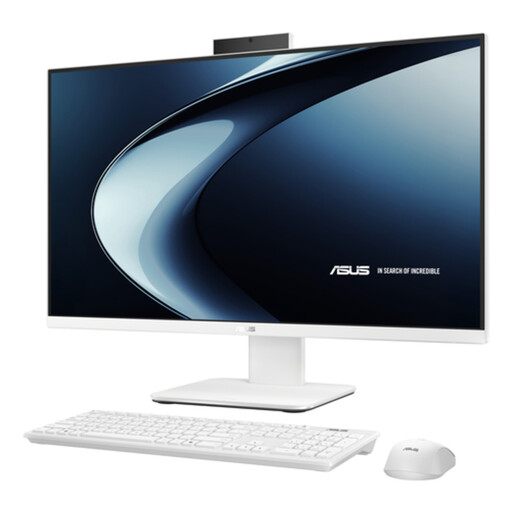
ASUS V400 AiO V470VAK-WPE032W, 27-inch, 16 GB/512 GB
Its built-in Full HD screen suits a desk where you do not plan to source a separate monitor. The named configuration has an Intel Core i7-13620H, DDR5 memory, an SSD and Windows 11 Home; check its upgrade options if you expect your local projects to grow, and confirm x64 compatibility if required by your course.
View on Joybuy
 No image available
SOYO M5 Ryzen 4300U mini PC, 16 GB/512 GB
This compact Windows 11 option is worth examining if you plan a study desk with external displays. Its named configuration specifies LPDDR4 memory, an SSD and HDMI, USB-C and DisplayPort outputs; check the display arrangement, required peripherals and x64 compatibility for your course before buying.
View on Joybuy
Frequently asked questions
Do I need a gaming desktop to learn SQL?
A gaming desktop is not a general requirement for learning SQL. Choose around your course tools, installed memory, storage and screen setup; extra processing capacity or storage becomes more relevant if you plan larger local databases, virtual machines or containers.
Can I learn with SQL Server LocalDB instead of a full instance?
Yes, if your exercises fit LocalDB’s capabilities. Microsoft Learn describes it as a way to write and test Transact-SQL without managing a full SQL Server instance; check that your course does not require features outside SQL Server Express limitations.
Can I learn SQL on a Mac desktop?
Yes, when your course provides a supported macOS database and tool setup. If its instructions instead require a native Windows SQL Server installation, confirm an alternative learning path with the course before choosing a Mac.
What if a full local SQL Server instance slows my PC?
Check its maximum server memory setting alongside the memory needed by your other applications. Microsoft Learn recommends configuring an upper limit for SQL Server memory use; an appropriate setting depends on the desktop’s installed memory and what else runs during study.


