Households making squash regularly
If several people will use it, compare the prepared servings and mixing directions rather than bottle volume alone. A multi-bottle pack also needs cupboard space and a plan for using bottles after opening.


For pantry stocking, do not treat a multi-pack of ready-to-drink cans as interchangeable with diluting squash. Bottled squash is an option when you can mix it with water and use each opened bottle as directed; compare dilution instructions, stated servings, ingredients and storage guidance before choosing a size.
If several people will use it, compare the prepared servings and mixing directions rather than bottle volume alone. A multi-bottle pack also needs cupboard space and a plan for using bottles after opening.
Choose by the exact flavour and variant. Sugar, sweetener and allergen information can differ across squash products, so a familiar brand name or fruit description is not enough.
A smaller bottle may be easier to finish within its post-opening guidance. Concentrate still needs water and something to mix it in; a ready-to-drink can serves a different purpose.
Decide whether you want a drink to dilute at home or one that is ready to open. Then compare squash bottles using their own labels, not their size alone.
| Priority | What to check | Your needs |
|---|---|---|
| Drink format | Check whether the pack contains diluting squash or ready-to-drink cans. Squash concentrate needs water and mixing. | I want bottles for drinks made at home, or cans I can open without preparing a drink. |
| Prepared servings | Read the dilution directions and stated servings for the exact bottle. Tesco Groceries lists 70 servings and a one-part-to-nine-parts-water mix for its Robinsons 1.75L double-strength example. | How many drinks will we make before opening another bottle? Bottle volume alone does not answer that. |
| Ingredients | Compare the ingredient list and nutrition information at the stated drinking dilution. Check sweeteners and sugars on the exact variant rather than relying on fruit or no-added-sugar wording. | I want to know what is in the squash we will actually mix and drink. |
| Allergens | Read the current allergen statement for each flavour. Ocado lists barley and sulphur dioxide/sulphites in Robinsons Fruit & Barley Summer Fruits. | When an ingredient matters to me, I need to check this particular product, not another bottle from the same brand. |
| Use after opening | Check each bottle’s storage and use instructions. A Waitrose & Partners Robinsons listing advises drinking within four weeks of opening; a Sainsbury’s Ribena listing says to refrigerate after opening and drink within 21 days. | A large pack makes sense for us only if we can use its opened bottles as directed. |
A bottle of squash makes drinks after dilution. Tesco Groceries’ Robinsons 1.75L double-strength listing states 70 servings when mixed one part concentrate to nine parts water.
Compare prepared servings for squash. If you need a drink that is ready to open, check ready-to-drink products separately.
Sainsbury’s describes its High Juice Summer Fruits squash as made with 50% fruit juice; that figure does not tell you the sugars in your prepared serving.
Check the nutrition information and preparation directions on the exact product you plan to buy.
Ocado’s listing for Robinsons Fruit & Barley Summer Fruits identifies barley and sulphur dioxide/sulphites.
Read the allergen statement when changing flavour or product line, and check the pack at purchase.
Post-opening directions vary: the Waitrose & Partners Robinsons listing says to drink within four weeks, while the Sainsbury’s Ribena listing specifies refrigeration and use within 21 days.
Choose a size you expect to finish within that bottle’s own instructions, and keep its label to hand.
Robinsons appears in standard, double-strength and Fruit & Barley squash listings.
Ribena’s blackcurrant squash is one bottled option to compare by its own label.
Sainsbury’s own-label range includes High Juice Summer Fruits squash.
M&S Food has a squash category and describes sparkling cans within its wider soft-drinks collection.
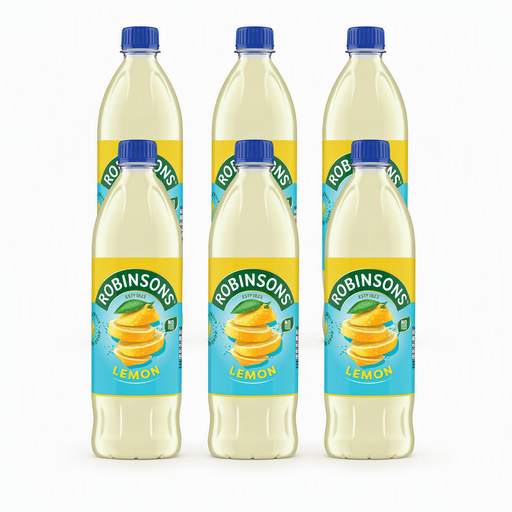
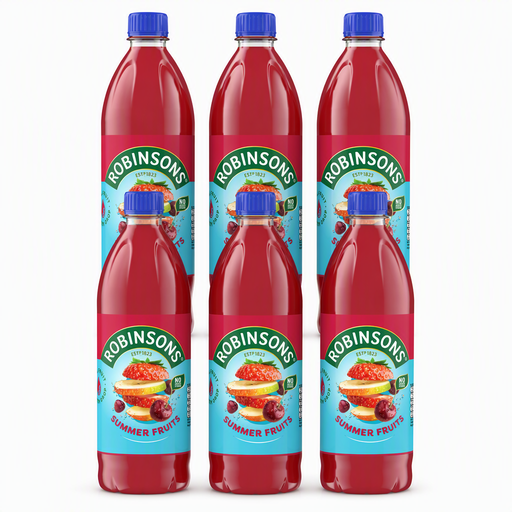
These six-bottle packs are options for stocking diluting squash to mix at home, rather than multi-packs of ready-to-drink cans.
 No image available
Six 1L bottles provide a multi-unit option for making squash at home. This is concentrate, not ready-to-drink cans; check the bottle’s dilution and post-opening directions when planning how you will use the pack.
 No image available
Six 1L bottles suit a cupboard stocked for regular mixing with water. Compare the preparation directions, ingredients and opened-bottle instructions on this variant before deciding how many bottles to keep.
No: a ready-to-drink can and a bottle of squash concentrate serve different preparation needs. M&S Food places sparkling cans in its wider soft-drinks collection; check a can’s own label rather than assuming it contains diluting squash.
Compare their stated dilution and prepared servings, then consider how quickly you will use an opened bottle. Tesco Groceries lists 70 servings and a one-to-nine mix for its Robinsons 1.75L double-strength example; use the directions on the particular 1L bottle for the other side of the comparison.
No. Check the ingredients and allergen statement of the exact variant. For example, Ocado lists barley and sulphur dioxide/sulphites in Robinsons Fruit & Barley Summer Fruits; do not apply that ingredient list to every Robinsons bottle.
Follow the instructions on the individual bottle. A Waitrose & Partners Robinsons listing advises drinking within four weeks of opening, while a Sainsbury’s Ribena listing says to refrigerate after opening and drink within 21 days.