Students who can refill a bottle
Concentrated squash can work if you have water and a bottle you can carry without leaks. Check the exact product’s dilution directions before preparing it for campus.


Check what is in the pack before buying: the squash products considered here are concentrates that need water, while the canned options are ready-to-drink soft drinks, not squash. For a lecture lunch, bottled squash is practical if you can prepare it in a leak-resistant bottle or refill and mix it on campus; choose cans if avoiding preparation matters more and a different type of drink meets your preferences.
The deciding question is whether you can mix a drink before lunch or need something ready to open between lectures.
Concentrated squash can work if you have water and a bottle you can carry without leaks. Check the exact product’s dilution directions before preparing it for campus.
A ready-to-drink can avoids mixing during the day. Check the product category carefully: a canned soft drink is not the same product as squash concentrate.
Read the ingredients and allergen information for the exact flavour and strength. The squash examples considered here include sweeteners, and some list sulphites; a no-added-sugar label does not settle either question.
Choose when: You can prepare a bottle before leaving or have water available to mix a drink on campus.
Trade-off: Concentrate needs dilution, so the bottle alone is not a ready-to-drink lunch option.
Choose when: You want individual, ready-to-drink portions and are happy to buy a soft drink rather than squash.
Trade-off: A can may solve the preparation problem, but it does not meet a requirement for squash concentrate.
Once you have chosen a format, compare the exact pack’s preparation directions and label rather than relying on its size or front-of-pack wording.
| Priority | What to check | Your needs |
|---|---|---|
| Drink format | Check whether the pack says concentrate or ready to drink. For concentrate, check how and where you will add water. | I need something I can open between lectures, or I can take a filled bottle and mix squash beforehand. |
| Dilution and servings | Compare the directions and stated prepared servings, not bottle volume alone. Tesco Groceries lists 1 part Robinsons Double Strength Summer Fruits concentrate to 9 parts water; Sainsbury’s lists 1 part Robinsons Orange concentrate to 4 parts water. | If I am preparing several lecture lunches, I want to know how much drink the bottle makes at its stated dilution. |
| Prepared-drink nutrition | Compare nutrition for the stated diluted serving, noting its volume. Sainsbury’s lists 2.4 g sugars per prepared 250 ml serving of its No Added Sugar High Juice Orange Squash. | I want to compare what will be in my glass or bottle, rather than the undiluted concentrate or a no-added-sugar claim alone. |
| Ingredients and allergens | Read the current ingredients for the exact variant, including sweeteners and allergen declarations. GOV.UK says any of the 14 regulated allergens present in a prepacked food or drink must be clearly labelled in its ingredients list. | Particular ingredients matter to me, so I need to check the pack I will actually drink. |
A ready-to-drink soft drink and a bottle of squash concentrate serve different preparation needs. A can that suits lunch may still be the wrong purchase if you specifically want squash.
Check the drink category and preparation directions, not just the pack format.
Products with different dilution directions do not yield the same prepared volume from an equal-sized bottle. The Robinsons examples listed by Tesco Groceries and Sainsbury’s specify different concentrate-to-water ratios.
Use the exact pack’s ratio, stated servings and nutrition per diluted serving when comparing options.
No added sugar does not mean no sugars or no other ingredients. The squash examples include sweeteners, and some variants list sulphites.
Check the current nutrition panel, ingredients and allergen declaration for the precise flavour and strength.
Squash concentrate needs water before it becomes the prepared drink described by its label. That matters if you cannot fill a bottle before leaving or access water during the day.
Plan where you will dilute it; if mixing is impractical, choose a clearly labelled ready-to-drink product instead.
Strength and recipe vary by product, including within a brand, so use these ranges as starting points and check the exact label.
Robinsons has single- and double-strength no-added-sugar squash products in the retailer examples considered here.
Tesco Groceries lists own-label Quadruple Strength squash alongside other bottled squash products.
The examined Sainsbury’s No Added Sugar High Juice Orange Squash is a concentrate made with 50% fruit juice, according to its product listing.
Waitrose & Partners lists an Essential No Added Sugar Apple & Blackcurrant double-strength squash.
M&S lists squash and High Juice concentrates, including Apple & Elderflower High Juice made with 50% fruit juice.
These options cover two different lecture-lunch choices: bottled squash to dilute when water is available, and canned soft drinks for shoppers who would rather avoid mixing. The canned drinks are not squash.
 No image available
A concentrate to prepare in a bottle if you have access to water. Its product information directs mixing 1 part squash with at least 4 parts water; check the current label for ingredients, including sweeteners and sodium bisulphite, and for nutrition as prepared.
 No image available
This bottled concentrate is an option when you can mix a drink for campus. Its product information states 3 kcal per 250 ml diluted glass; follow the directions on this exact pack rather than borrowing a ratio from another Robinsons product, and check its current ingredients and allergen information.
 No image available
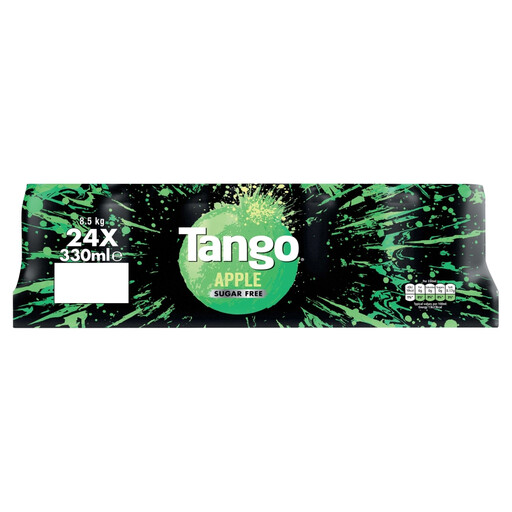
These individual cans need no mixing for a lecture lunch. Tango Apple is a carbonated soft drink, not squash concentrate; check the current ingredients if particular sweeteners or other ingredients matter to you.
 No image available
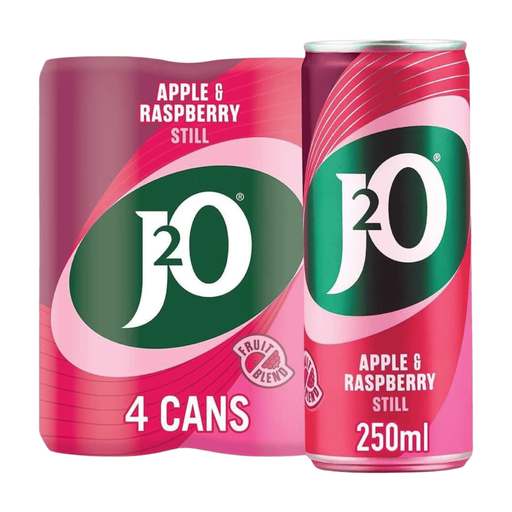
Four ready-to-drink cans avoid preparation between lectures if a fruit drink rather than squash meets your needs. Check the current pack’s sugar and energy figures before comparing it with other drinks.
No. A ready-to-drink canned soft drink is different from the bottled squash concentrates considered here. If you specifically want squash in cans, confirm both the drink category and whether the contents need dilution before buying.
Follow the directions on the exact bottle and use a container you can carry without leaks. The retailer examples vary: Sainsbury’s lists 1 part squash to 4 parts water for the examined Robinsons Orange product, while Tesco Groceries lists 1 part to 9 parts water for Robinsons Double Strength Summer Fruits.
No. Check the nutrition information for the stated diluted serving: Sainsbury’s lists 2.4 g sugars per prepared 250 ml serving of its No Added Sugar High Juice Orange Squash. Compare serving volumes and dilution directions as well as the front-of-pack wording.
Check the ingredients list for the exact product. GOV.UK says that any of the 14 regulated allergens present in a prepacked food or drink must be clearly labelled there; some squash variants considered here list sulphites.