Families preparing drinks at home
A bottle of concentrate makes sense when an adult can mix each drink with water. Tesco and M&S list bottled squash in larger sizes, rather than individual ready-to-drink squash cans.


Do not assume a canned multipack is concentrated squash: the ranges described by Tesco, M&S and Sainsbury's distinguish bottled squash from ready-to-drink canned soft drinks. A bottle suits drinks prepared with water at home; a portable concentrate needs water and adult handling on a day out. If you want cans, check the drink's own ingredients and nutrition information rather than applying squash claims to it.
A bottle of concentrate makes sense when an adult can mix each drink with water. Tesco and M&S list bottled squash in larger sizes, rather than individual ready-to-drink squash cans.
A small concentrate may be easier to carry than a family bottle, but it still needs water and an adult to prepare the drink. The Robinsons Mini label described by Waitrose also has age and handling warnings.
Read the label of the exact flavour and pack if sweeteners or allergens matter. For children, Leeds Teaching Hospitals NHS Trust advises offering squash, including no-added-sugar squash, at mealtimes rather than as a drink to sip throughout the day.
Choose the format around where the drink will be prepared, then check the instructions and ingredients on the pack you intend to serve.
Choose when: Water, cups and someone to prepare drinks are available at home.
Bear in mind: The concentrate must be diluted, so it does not offer the open-and-drink convenience of a can.
Choose when: An adult can carry the concentrate and mix it with water during an outing.
Bear in mind: Waitrose lists a warning not to drink Robinsons Mini undiluted or let children under 36 months use or handle it.
Choose when: You want individual drinks that need no mixing, rather than squash concentrate.
Bear in mind: Check each canned drink's own portion size, ingredients and nutrition information; bottled-squash claims do not describe it.
| Priority | What to check | Your needs |
|---|---|---|
| Drink format | Look for dilution instructions or a ready-to-drink description. Check whether the pack is one bottle, a small concentrate or several cans. | For drinks made at home, I can use water and cups. For an outing, I may need a drink that can be opened without preparation. |
| Children's handling | Read the concentrate's age warning and dilution directions. The Robinsons Mini information supplied by Waitrose says not to drink it undiluted or let children under 36 months use or handle it. | If a young child might pick up the bottle, I need an adult to keep and prepare the concentrate. |
| Serving time | Do not treat “no added sugar” as serving guidance. Leeds Teaching Hospitals NHS Trust advises offering squash at mealtimes and identifies plain water as a drink for children between meals. | For a snack break between meals, I can offer water rather than leave squash available for frequent sipping. |
| Ingredients | Read the current ingredients and allergen declaration for the exact flavour. M&S Orange Squash product information lists E223 (sulphites). | Where an ingredient needs avoiding, I need to check this pack, even if I have bought the same flavour before. |
Tesco, M&S and Sainsbury's show bottled squash separately from ready-to-drink canned drinks. The formats need different preparation and label checks.
Read the individual listing for “concentrated” and its dilution instructions before choosing it as squash.
The Robinsons Mini information listed by Waitrose says not to drink it undiluted and not to let children under 36 months use or handle it.
Keep the concentrate with an adult, mix it with water and follow the directions on the particular pack.
Leeds Teaching Hospitals NHS Trust advises that no-added-sugar squash should still be offered to children at mealtimes.
For drinks between meals, offer plain water rather than relying on a front-of-pack sugar claim.
Ingredients differ between products and flavours. M&S Orange Squash product information, for example, lists E223 (sulphites).
Check the exact pack's ingredients and allergen declaration before serving it to someone with an ingredient restriction.
These examples help distinguish the formats; a brand's inclusion does not mean every product in its range has the same ingredients or instructions.
Tesco lists bottled Robinsons squash and 66 ml Minis; Waitrose describes the Mini as a portable concentrate.
Tesco lists own-label quadruple-strength, no-added-sugar squash in 750 ml and 1.5 L bottles.
M&S lists a 1.5 L double-strength Orange Squash and describes squash as a drink to dilute.
Tesco lists Vimto bottled squash in 1 L and 2 L formats, including no-added-sugar options.
These options cover bottled squash to dilute at home and a ready-to-drink canned multipack for when mixing is impractical. The cans are a different type of drink, not concentrated squash.
 No image available
A bottled squash option for drinks prepared with water at home, not an individual ready-to-drink can. Check the pack's dilution and under-three guidance before serving it to children; the product information also lists sodium bisulphite.
 No image available
This bottle is concentrated squash for mixing with water, rather than a canned drink for an outing. Its product information warns that it is not suitable for children under 36 months and lists sulphites; check the current pack's instructions and ingredients.
 No image available
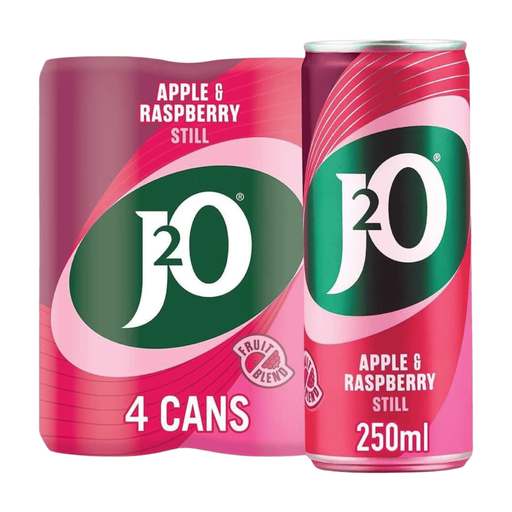
Four ready-to-drink cans suit a need for separate drinks without mixing, but this fruit blend is not squash concentrate. Check its own ingredients, nutrition information and serving guidance before choosing it for children.
Do not assume so. The Tesco and M&S squash ranges described here show bottled concentrates, while Sainsbury's multipack results include ready-to-drink cans separately from squash bottles. Read the individual can listing to establish what drink it contains.
No: the Robinsons Mini information listed by Waitrose says not to drink it undiluted. It also says not to refill the bottle or let children under 36 months use or handle it; follow the pack's directions when an adult prepares the drink.
No. Leeds Teaching Hospitals NHS Trust advises that no-added-sugar squash still contains sugar and should be offered to children at mealtimes. It identifies plain water as an option between meals.
Read the current ingredients and allergen declaration on the exact flavour and pack before serving it. For example, M&S Orange Squash product information lists E223 (sulphites); do not assume another squash has the same formulation.