Day hikers with a reusable water bottle
A small concentrate can add flavour to water you carry. Plan the amount of food and drink for the route, weather and possible delays separately, as Mountain Rescue England and Wales and the Met Office advise.


For the walking part of a hike, a compact squash concentrate is easier to mix in a carried water bottle than a glass-bottle cordial, provided you have enough safe water to dilute it. A glass-bottle cordial makes more sense at a protected picnic or after the walk, where you can keep it secure; neither format replaces planning enough food and drink for the route and possible delays.
A small concentrate can add flavour to water you carry. Plan the amount of food and drink for the route, weather and possible delays separately, as Mountain Rescue England and Wales and the Met Office advise.
A glass-bottle cordial is more practical at a stop where the bottle can be kept protected and water is available for dilution than loose in a rucksack during the walk.
Check the exact bottle for sugars, sweeteners, preservatives and relevant warnings. A no-added-sugar squash and a cordial made with sugar should not be treated as the same recipe.
Set your food and water plan first, then choose a bottle format and recipe that fit where you will mix and drink it.
Choose it when: You want to flavour water in a carried bottle while walking; Robinsons describes its Summer Fruits Mini as a 20-serving pack for this use.
Bear in mind: It still needs water for dilution and does not determine how much drink to carry.
Choose it when: You expect repeated refills or are mixing drinks for a group, particularly if the bottle can stay at a campsite or car-supported start.
Bear in mind: A larger bottle takes more pack space during a short walk; follow that product’s own dilution instructions.
Choose it when: You plan to serve cordial at a protected picnic, campsite or after the walk. Creed Foodservice lists Bottlegreen Elderflower Cordial in a glass bottle.
Bear in mind: Cordial needs dilution water, and glass must be protected from knocks and breakage.
| Priority | What to check | Your needs |
|---|---|---|
| Food and water | Plan enough food and drink for the route and possible delays, as advised by Mountain Rescue England and Wales and the Met Office. Check that you have safe water to dilute any concentrate. | I want a flavoured drink, but I need to plan what I will carry even if the walk takes longer than expected. |
| Mixing and bottle size | Check the dilution instructions, the number of servings stated on the bottle and whether its size suits one refill or several. Robinsons specifies 1 part concentrate to 9 parts water for its Summer Fruits Double Concentrate. | For a short walk, I would rather mix squash in the bottle I already carry. For repeated refills, a larger concentrate may suit my plans. |
| Ingredients | Compare ingredient lists and sugars per 100 ml at each product’s stated dilution. Check sweeteners, preservatives and relevant label warnings on the exact variant. | If I am avoiding a particular ingredient, the current bottle label matters more to me than words such as “premium” or “no added sugar”. |
| Glass packaging | Confirm the bottle material and decide where it will be carried and opened. Protect glass from knocks and keep it away from food if it breaks. | A cordial for a picnic table is a different packing decision from a bottle that will move around in my rucksack all day. |
Squash and cordial need water for dilution. Mountain Rescue England and Wales and the Met Office advise taking enough food and drink and allowing for changing conditions or delays.
Plan the water and food you will carry before deciding how much of that water to flavour.
A broken bottle can leave glass debris near food and other supplies.
Keep a glass bottle protected during transport, or choose a concentrate in a more suitable container for active walking. Do not use a damaged bottle.
Squashes and cordials can differ in sugars, sweeteners, preservatives and dilution instructions. Waitrose & Partners lists 4.4 g sugars per 100 ml for Bottlegreen Elderflower Cordial when diluted 1 part cordial to 15 parts water.
Compare the current labels at their stated diluted serving basis and check ingredients that matter to you.
A larger bottle takes up pack space even when only one serving is needed. Robinsons describes its Summer Fruits Mini as a pack intended to be squeezed into a water bottle on the go.
Match the format to your planned servings and refills rather than carrying the household bottle by default.
These examples illustrate format and label differences; check the particular product rather than assuming every drink from a brand has the same recipe or packaging.
Its cited Summer Fruits products offer a mini format for mixing in a water bottle and a larger double concentrate for repeated servings.
Elderflower Cordial is a diluted drink to consider for a protected stop rather than loose carriage during a hike.
An ingredient-led option for shoppers who prefer a squash made with sugar rather than artificial sweeteners, according to Rocks’ own description of its range.
Its squash and cordial listings provide examples of own-label and branded formats to compare.
Its food range describes squash and cordial as separate options for shoppers comparing drink styles.
These squash concentrates are options for flavouring water you carry or for mixing at a stop. Compare their bottle sizes with the servings you plan to make; they are not glass-bottle cordial choices.
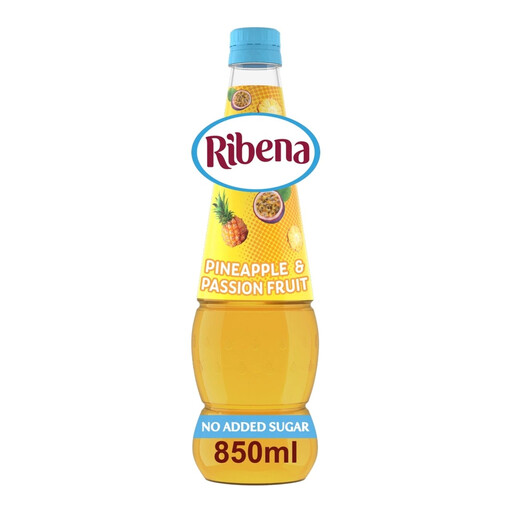 No image available
An 850 ml squash to consider when you plan to flavour carried water. Check the bottle’s dilution instructions and ingredient list before packing it.
 No image available
A 1 L squash option for mixing with water. Check its dilution instructions, ingredients and bottle material if you intend to carry the whole bottle on the walk.
 No image available
The 1.5 L format is worth considering for repeated mixing or a group stop rather than carrying the full bottle on a short solo walk. Follow the bottle’s mixing and storage instructions.
A glass-bottle cordial is better suited to a protected stop than loose carriage during active walking. It needs water for dilution, and a breakage could leave glass debris near your supplies; keep the bottle secure if you take it.
No. Squash is diluted with water. Mountain Rescue England and Wales and the Met Office advise carrying enough food and drink and preparing for changing conditions or delays, so plan your water before choosing a flavour concentrate.
Compare the nutrition panels at each product’s stated dilution, rather than comparing undiluted concentrate with a prepared drink. Waitrose & Partners lists 4.4 g sugars per 100 ml for Bottlegreen Elderflower Cordial when diluted 1 part cordial to 15 parts water; check the other product’s diluted value on its own label.
Read the exact squash bottle for sweeteners, preservatives and any relevant warnings. GOV.UK says specified phenylalanine wording is required under its stated labelling condition for aspartame named in an ingredients list; do not assume that every flavour or variant uses the same ingredients.
Follow the storage instructions on the particular bottle before deciding whether to open it during the trip. For example, the Waitrose & Partners listing for Rocks Blackcurrant Squash says to refrigerate it after opening and use it within three weeks, which matters if refrigeration will not be available.