Households making fizzy drinks at home
If you want one concentrate to mix with still or sparkling water, check that the particular bottle permits both. Its dilution instructions also tell you how much prepared drink it makes.


If you want to make fizzy squash at home, choose a concentrate or cordial whose label explicitly permits mixing with sparkling water, then compare its nutrition at the stated dilution. A no-added-sugar squash suits a preference for avoiding added sugar if you accept its sweeteners; a sweetener-free cordial suits a different ingredient preference, but can still contain sugar. Choose a ready-to-drink sparkling drink when you would rather have fizz without mixing.
The first choice is whether you want to mix a drink at home or open one that is already sparkling.
If you want one concentrate to mix with still or sparkling water, check that the particular bottle permits both. Its dilution instructions also tell you how much prepared drink it makes.
A no-added-sugar squash may fit your ingredient preference, but it can contain sweeteners. Compare the ingredients and the nutrition for the drink at its stated dilution, rather than judging by the front label alone.
A sweetener-free cordial may suit you if its label also permits sparkling-water mixing. Check its sugars when diluted and its storage instructions after opening; sweetener-free does not mean sugar-free.
Choose the format first, then compare ingredients and serving information on the drink you would actually prepare or open.
| Priority | What to check | When it matters to me |
|---|---|---|
| Sparkling-water mixing | For squash or cordial, look for an explicit instruction to mix with sparkling water. Check the stated dilution ratio; a carbonated can is a different, ready-to-drink format. | I want to make fizz at home, rather than buy a drink that is already carbonated. |
| Sugar and sweeteners | Read the ingredients and compare sugars for the diluted drink, or per 100ml and per container for a ready-to-drink option. Check which sweeteners, if any, are listed. | Reducing added sugar matters to me, or I would rather choose a recipe without sweeteners. Those preferences can lead to different bottles. |
| Dilution and yield | Compare the label ratio and stated servings, not bottle volume alone. For example, Sainsbury's lists Robinsons Double Strength Apple & Blackcurrant at 1 part concentrate to 9 parts water and 70 servings per bottle. | I want to know how much prepared drink a concentrate will make during my first shop. |
| Storage after opening | Check whether the bottle needs refrigeration and how soon it should be used. Follow the instructions on the particular product. | If I only make an occasional glass, I need a bottle size I can use within its opening-life instructions. |
| Ready-to-drink servings | Check the container size and its sugar figure as well as the per-100ml value. Sainsbury's lists 15g sugars per 330ml can for Rubicon Sparkling Passionfruit. | I would rather open a fizzy drink immediately than keep sparkling water and a concentrate for mixing. |
A ready-to-drink can is already carbonated; a squash or cordial needs diluting. Choosing by flavour alone can leave you with the wrong format.
Decide whether you want to mix drinks at home or open one straight away, then check the product description.
A cordial can be sweetener-free and still contain sugar. The prepared drink, not the undiluted concentrate, is the useful basis for a serving comparison.
Read the ingredients and sugars at the label dilution. If avoiding added sugar is your priority, check no-added-sugar options and their sweeteners too.
Mixing ratios vary: Waitrose & Partners lists one part Rocks Blackcurrant Squash to eight parts water, while its Belvoir Raspberry & Lemon listing specifies 1:10. Equal-sized bottles therefore need not make equal amounts of prepared drink.
Use each label's dilution and serving guidance, then check whether you are likely to finish the bottle within its opening-life instructions.
Ingredients and instructions can matter when you avoid a particular sweetener or need to check an allergen statement.
Read the current bottle label before drinking, especially when a specific ingredient or phenylalanine statement matters to you.
These examples show why the individual recipe matters more than a brand name when choosing a drink for sparkling-water mixing.
A squash range with no-added-sugar and double-strength options for home dilution.
Cordials with different sugar and sweetener profiles, including products labelled for mixing with sparkling water.
A fruit-juice-based squash option with a stated sparkling-water mixing instruction for its Blackcurrant product.
Own-label squash and cordial options with different recipes and dilution instructions.
These options include ready-to-drink fizzy drinks and a no-added-sugar squash for home dilution. If you plan to mix that squash with sparkling water, check the bottle's directions before choosing it for that purpose.
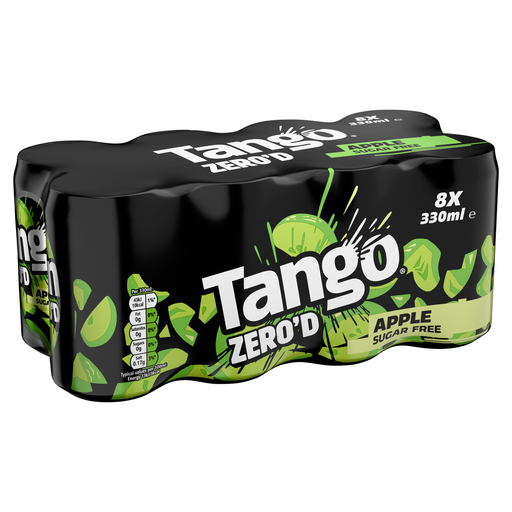 Image unavailable
A ready-to-drink fizzy option rather than squash for home mixing. The pack size is 8 × 330ml; check the ingredients if you avoid sweeteners.
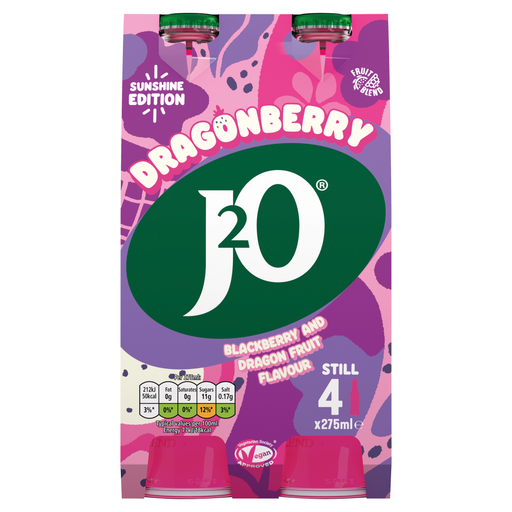 Image unavailable
A ready-to-drink sparkling option in a 4 × 275ml pack, not a concentrate to mix with water. Check its sugar and sweeteners on the current label if either affects your choice.
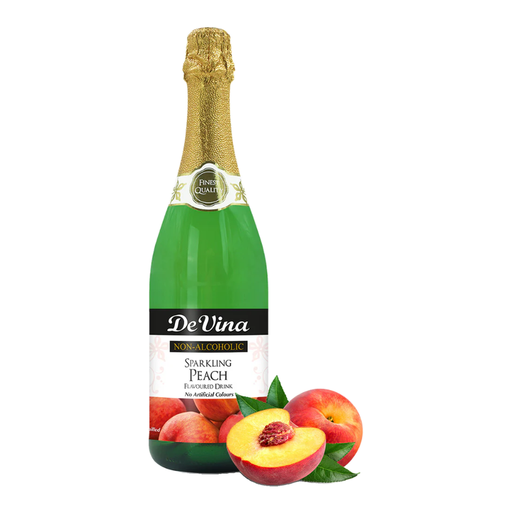 Image unavailable
A 750ml ready-to-drink sparkling beverage rather than squash concentrate. Check the current label for sugar, sulphites and storage directions after opening.
 Image unavailable
A 1L no-added-sugar squash to dilute at home, rather than a ready-made fizzy drink. Check the bottle for sparkling-water mixing instructions before using it for fizz, and read the ingredients if sweeteners or sulphites matter to you.
Yes, when the particular product gives that instruction. Waitrose & Partners lists still or sparkling water for Rocks Blackcurrant Squash at one part squash to eight parts water, and water or sparkling water for Belvoir Raspberry & Lemon Cordial at 1:10. Check your own bottle rather than applying either ratio to another squash.
No. Sainsbury's lists aspartame and saccharin for Robinsons Lemon No Added Sugar, which also carries a phenylalanine statement. Read the current ingredients for the exact product if a particular sweetener matters to you.
Compare the cordial as prepared at its stated dilution with the ready-to-drink product, using the same per-100ml basis before looking at the amount in a glass or container. Sainsbury's lists 15g sugars per 330ml can for Rubicon Sparkling Passionfruit; a cordial's undiluted nutrition is not a like-for-like serving comparison.
Follow the storage and use-after-opening directions on the individual bottle. If you expect to make fizzy drinks only occasionally, check those directions before choosing a larger concentrate.