For squash, compare total carbohydrate in the drink as prepared, following the concentrate’s dilution instructions rather than relying on a no-added-sugar claim. If ready-to-drink cans matter more, compare each canned drink’s own label: a soft-drink multipack is a different choice from squash, even when both are sold without added sugar.
Who is choosing between squash and cans?
People with diabetes comparing flavoured drinks
Diabetes UK advises checking total carbohydrate on the nutrition label. For squash, compare the amount in the drink you prepare and actually consume, not just the sugar wording on the front of the bottle.
Shoppers wanting a portable squash multipack
Small concentrate bottles can be easier to carry than a large bottle, but they still need water. An Amazon UK listing describes Robinsons Mini concentrate in a six-pack of 66 ml bottles; that format is not a pack of ready-to-drink cans.
Households diluting drinks at home
A bottled concentrate allows drinks to be prepared as needed. Check the dilution directions on each bottle: Sainsbury’s lists Robinsons Lemon at 1 part concentrate to 4 parts water, while Tesco lists its Quadruple Strength Orange at 1 part to 19 parts water.
What should you check before choosing?
Bottled squash concentrate
Choose when: You can prepare drinks with water and measure the concentrate as directed.
Trade-off: It is not ready to drink, and nutrition figures for a prepared serving depend on the stated dilution.
Mini squash concentrates
Choose when: A compact squash multipack matters more than a ready-to-drink can.
Trade-off: Each small bottle is concentrate; you will still need water and its preparation directions.
Ready-to-drink cans
Choose when: Opening a can without dilution matters more than buying squash.
Trade-off: A canned soft drink is a different product, so assess its own ingredients and carbohydrate per can.
Once you have chosen a format, compare labels for the amount you expect to drink. Diabetes UK advises using total carbohydrate, not sugars alone, when reading food and drink labels for diabetes.
| Priority |
What to check |
Your needs |
| Total carbohydrate |
Compare total carbohydrate for the prepared squash serving or the full can. Check whether your portion differs from the labelled serving. |
I want to know the carbohydrate in the amount I will actually drink, rather than comparing a measure of concentrate with a full can. |
| Sugar wording |
Read the sugars figure alongside total carbohydrate. A no-added-sugar description does not establish that the finished drink contains no naturally occurring sugars; Waitrose says its Essential Orange squash contains them. |
A no-added-sugar claim catches my eye, but I still want to compare the nutrition figures. |
| Dilution |
Follow the ratio on the particular squash bottle before applying its prepared-drink figures. Sainsbury’s gives 1:4 for Robinsons Lemon; Tesco gives 1:19 for its Quadruple Strength Orange. |
At home, I can measure concentrate and add water. Away from home, I need to know whether water and a way to measure it will be available. |
| Pack format |
Confirm whether each unit is a ready-to-drink can, a mini concentrate or a larger concentrate bottle. Check the volume of each unit and whether preparation is required. |
If I need to open a drink while travelling, a concentrate multipack will not serve the same purpose as cans. |
| Ingredients |
Read the current sweetener list and any product-specific warnings, particularly when changing flavour or brand. |
I prefer to check which sweeteners a particular drink uses rather than assume that similarly labelled drinks have the same ingredients. |
What is easy to overlook?
-
Reading “no added sugar” as “no carbohydrate”
The wording alone does not give the total carbohydrate in your drink. Waitrose describes its Essential Orange squash as containing naturally occurring sugars.
Compare both total carbohydrate and sugars for the prepared serving, or for the amount in a ready-to-drink can.
-
Using one dilution ratio for every squash
Concentrates have different instructions. Sainsbury’s lists a 1:4 ratio for Robinsons Lemon, while Tesco lists 1:19 for its Quadruple Strength Orange; adding a different amount of concentrate changes what is in your glass.
Measure according to the bottle you are using and check that bottle’s prepared-serving nutrition information.
-
Assuming a squash multipack contains cans
An Amazon UK listing describes a Robinsons Mini six-pack as 66 ml bottles of concentrate. Those bottles require preparation rather than providing six ready-to-drink cans.
Check the container type, unit size and preparation directions before choosing a pack for use away from home.
-
Overlooking sweeteners and warnings
Ingredient lists can differ between products and flavours. The Robinsons Lemon product information identifies aspartame and a source-of-phenylalanine warning.
Read the current label of the exact product you are buying. Diabetes UK advises speaking to your diabetes healthcare team if you need individual guidance about sweeteners.
Which squash ranges are relevant?
These brand references concern squash concentrates, not the canned soft drinks in the Joybuy selection below.
Robinsons
Robinsons has bottled no-added-sugar squash and Mini concentrates in the UK listings described here.
- Sainsbury’s lists Lemon No Added Sugar with a dilution of 1 part concentrate to 4 parts water and negligible carbohydrate and sugars in the prepared drink.
- The Mini six-pack described by Amazon UK contains concentrate bottles, not ready-to-drink cans. Check nutrition and ingredients for the exact flavour.
Tesco
Tesco’s own-label range includes Quadruple Strength Orange Squash No Added Sugar.
- Tesco lists 0.5 g carbohydrate per prepared glass for this product when diluted 1 part squash to 19 parts water.
- It is a bottled concentrate, not a canned multipack. Follow its particular measuring and dilution instructions.
Sainsbury’s
Sainsbury’s squash listings include own-label and other branded no-added-sugar options.
- The range offers different flavours and bottle sizes to compare.
- Check the exact product label for prepared-serving carbohydrate, sweeteners and dilution directions; a range listing does not establish those details for every bottle.
Waitrose Essential
Waitrose lists Essential no-added-sugar orange squash as a bottled concentrate.
- The Essential Orange product description identifies sweeteners and naturally occurring sugars, useful details to check alongside its nutrition panel.
- It is not a canned multipack. Check the bottle’s current ingredients and preparation directions.
Joybuy canned soft-drink multipacks
These are ready-to-drink canned soft drinks for shoppers who prioritise a multipack of cans over squash. Neither product is squash concentrate; compare the carbohydrate and ingredients on each can’s current label.
 No image available
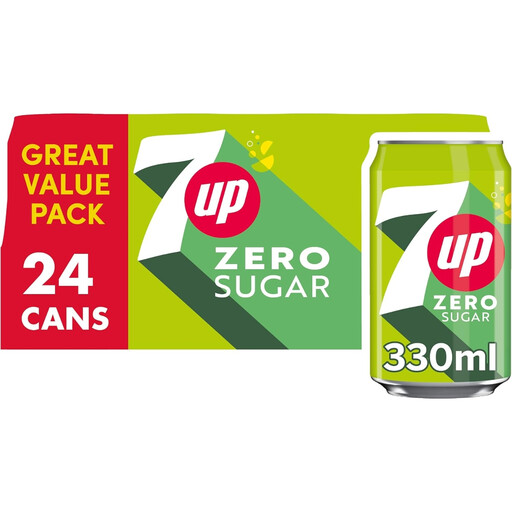
7UP Zero 330 ml, 24-pack
A ready-to-drink can for occasions when preparing squash with water would be inconvenient. The pack contains 24 cans of 330 ml; it is a soft drink, not squash. Check the current can label for total carbohydrate, ingredients and warnings.
View on Joybuy
 No image available
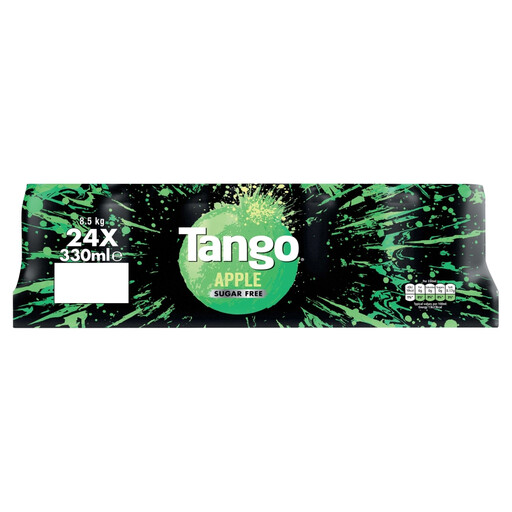
Tango Apple Sugar-Free 330 ml, 24-pack
A ready-to-drink alternative when cans matter more than squash. The pack contains 24 cans of 330 ml; it is not squash or concentrate. Use the current per-can carbohydrate figure, rather than the Sugar-Free name alone, when comparing drinks.
View on Joybuy
Questions about squash, sugar and cans
Does “no added sugar” mean a squash has no sugar?
No. The wording does not establish that a prepared drink has no naturally occurring sugars or carbohydrate. Waitrose describes its Essential Orange squash as containing naturally occurring sugars, so check the nutrition information for the drink you will prepare.
Should I compare sugars or total carbohydrate?
Compare total carbohydrate for the amount you will drink. Diabetes UK advises checking total carbohydrate because all carbohydrates raise blood glucose; for a concentrate, use the stated dilution and prepared-serving information rather than comparing undiluted squash with a full can.
Can no-added-sugar squash contain sweeteners?
Yes. Individual squash products can contain sweeteners, so read the ingredients and any warnings on the exact flavour you choose. Diabetes UK describes sweetener use as a personal choice and recommends asking your diabetes healthcare team if you need individual advice.
What if I need a drink in a can rather than squash?
Choose by the canned drink’s own label, including total carbohydrate for the can and its ingredients; do not apply squash nutrition or dilution information to it. Diabetes UK identifies water as an all-round drink and suggests sugar-free alternatives when choosing flavoured drinks.


