Families mixing drinks at home
Squash concentrate gives you a drink to dilute for several people. Check the bottle’s mixing directions, its size and whether you have sparkling water to serve with it.


For repeated fizzy drinks at home, consider a larger squash concentrate if you have sparkling water and its flavour, dilution directions and label suit your household. A cordial offers another flavour option, while ready-carbonated cans avoid mixing; check the prepared drink’s nutrition and any instructions for using an opened bottle before choosing.
Squash concentrate gives you a drink to dilute for several people. Check the bottle’s mixing directions, its size and whether you have sparkling water to serve with it.
Look at the ingredients and nutrition for the drink as prepared. A fruit flavour or no-added-sugar description does not replace checking the exact bottle.
If you want a particular flavour for a meal or gathering, check whether the cordial can be mixed with sparkling water and whether you can use the bottle within its stated period after opening.
Choose the serving format first: a concentrate needs diluting, whereas a ready-carbonated drink can be served from its can or bottle.
Choose when: You expect to make repeated drinks at home and have sparkling water for mixing.
Bear in mind: The squash bottle is not itself a ready-carbonated drink; follow its own dilution directions.
Choose when: A particular cordial flavour matters for an occasional sparkling serve.
Bear in mind: Check the ingredients, prepared-drink nutrition and instructions for storage after opening.
Choose when: Serving drinks without mixing is the priority.
Bear in mind: Cans are a different format from squash concentrate, so compare the pack and serving information on their own terms.
| Priority | What to check | Your needs |
|---|---|---|
| Fizz and dilution | Read whether the product needs diluting with water or is already carbonated. Check whether the concentrate’s directions mention sparkling water. | I want to know whether I can serve the drink straight away or need to mix it. |
| Household quantity | Check bottle or multipack size and the concentrate’s own dilution directions. Tesco lists a 1.5L quadruple-strength squash; Waitrose lists a 1.5L Essential squash. | For repeated drinks at home, I would rather choose a format the household expects to use than a small portable bottle. |
| Ingredients and nutrition | Check the exact product’s sugar description and ingredient list. For a concentrate, read nutrition on the stated diluted basis before comparing it with a ready-to-drink serving. | A fruit-led flavour may appeal to me, but I still want to know what is in the prepared drink. |
| After opening | Read the purchased bottle’s refrigeration and use-after-opening directions. Consider how often you will make drinks from it. | If cordial is only for occasional gatherings, I need a bottle size I can realistically use after opening. |
Squash and cordial are concentrates. M&S says its squash can be mixed with sparkling water, while the Waitrose listing for Rocks Summer Fruits directs users to add still or sparkling water.
Read the serving directions. If you choose concentrate for fizzy drinks, make sure you also have sparkling water; choose an explicitly carbonated drink if you want to serve it without mixing.
Concentrates have different mixing directions, so two bottles of the same size need not be prepared in the same way.
Compare each label’s dilution directions and the amount of sparkling water you expect to use, rather than relying on concentrate volume alone.
Fruit-led wording and no-added-sugar wording describe different product features; neither tells you everything about the ingredients or the drink after dilution.
Check the exact bottle’s ingredients and nutrition information, including the dilution basis used for any prepared-drink values.
Instructions for storing an opened bottle vary by product, which matters if you only serve cordial occasionally.
Check the label’s refrigeration and use-after-opening directions before deciding what size to buy.
These examples show the formats to look for; a brand’s wider range should not be assumed to have the same ingredients or mixing directions as one listed product.
A squash range with larger double-strength bottles listed by UK supermarkets.
An own-label route to larger squash concentrate bottles.
Its squash listings include an Essential no-added-sugar option as well as other squash products.
A reference for squash or cordial intended to be mixed with sparkling water.
A squash option with explicit still-or-sparkling mixing directions.
These Tango multipacks suit the ready-to-serve side of a family shop. They are fizzy soft drinks, not squash or cordial to dilute with sparkling water.
 No image available
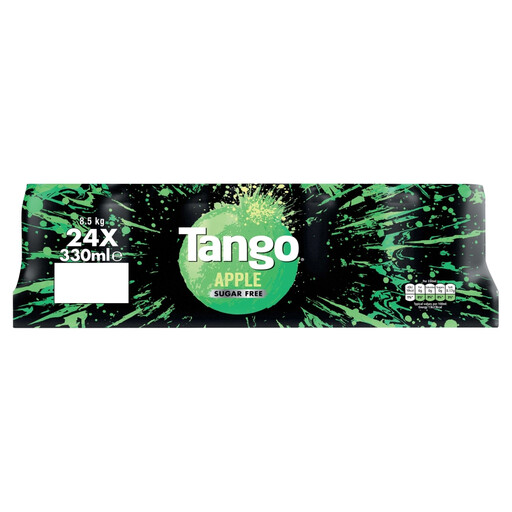
A 24-can ready-carbonated apple drink for serving several people without mixing. It is not a squash concentrate, so it does not offer mix-to-taste dilution.
 No image available
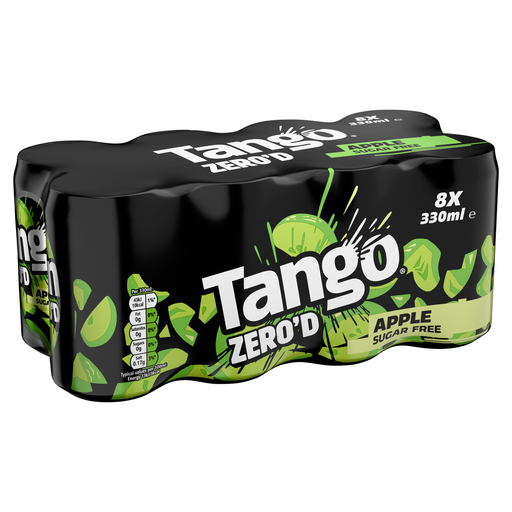
An eight-can ready-carbonated apple option when you want drinks to serve without mixing. The pack contains fewer cans than the 24-can Apple option above and is not squash concentrate.
 No image available
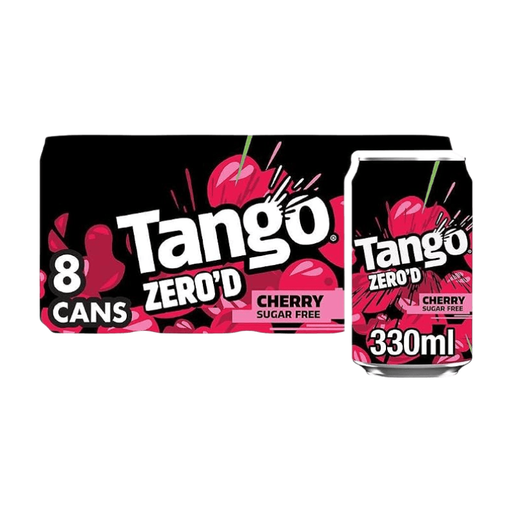
An eight-can ready-carbonated cherry option for serving without mixing. It is a fizzy soft drink, not a cordial or squash concentrate.
Not when it is sold as a concentrate to dilute. M&S says its squash can be mixed with chilled sparkling water, and the Waitrose directions for Rocks Summer Fruits Squash allow still or sparkling water. For a drink that needs no mixing, check that it is labelled as already carbonated.
A larger concentrate is worth considering if the household will use it regularly and has water for dilution. Tesco Groceries lists a 1.5L quadruple-strength squash, while Sainsbury’s and Waitrose list 1.75L Robinsons double-strength squash; follow the directions on the bottle you buy.
No. Check the exact product’s ingredients and nutrition label, as well as whether the figures describe concentrate, a diluted drink or a ready-to-drink serving.
Follow the storage and use-after-opening directions on the purchased bottle. Those instructions are product-specific, so check them when deciding whether a larger bottle fits how often your household will serve it.