Canteen buyers comparing drink labels
If you want a flavoured alternative to sugary soft drinks, compare sugars and energy for a prepared serving. Two products labelled no added sugar need not have the same figures.


For a workplace canteen lunch, no-added-sugar squash offers a flavoured alternative to sugary soft drinks, but compare sugars and energy in the prepared drink rather than relying on the front label. Choose high-juice squash if fruit content matters to the menu, while checking its diluted nutrition; choose double-strength squash if its stated dilution and serving yield work for staff. Check the current ingredients and allergen information before serving any option.
If you want a flavoured alternative to sugary soft drinks, compare sugars and energy for a prepared serving. Two products labelled no added sugar need not have the same figures.
Keep the current label for each squash accessible so staff can answer questions about ingredients, including sulphites, barley or a phenylalanine warning where these appear on the product.
Choose a concentrate whose dilution instructions staff can follow consistently, and compare its stated servings with the canteen’s usual cup size.
Compare the prepared drink first, then decide whether fruit content or serving yield changes the choice; ingredient checks apply to every format.
| Priority | What to check | Your needs |
|---|---|---|
| Prepared nutrition | Compare sugars and energy per 250ml at each product’s stated dilution. Sainsbury’s lists 0g sugars and 3kcal for its Robinsons Orange listing, versus 2.4g sugars for its High Juice Orange listing; both are labelled no added sugar. | I want a flavoured lunch drink and need to know what is in the glass, not just what the concentrate is called. |
| Fruit content | Check the fruit-juice percentage on the exact product and its sugars per prepared serving. Sainsbury’s lists 50% fruit juice for its High Juice Orange squash. | Fruit-juice content matters to our menu, but I still want to compare the finished drink’s nutrition. |
| Dilution and yield | Follow the ratio on the bottle: Sainsbury’s lists 1 part Robinsons Orange concentrate to 4 parts water, while Waitrose suggests 1 part Essential Summer Fruits squash to 9 parts water and lists 60 servings. Check the serving size used for that yield. | Staff need a repeatable way to prepare drinks during lunch service, and we need to plan how much concentrate to stock. |
| Ingredients | Read the current ingredient and allergen information for each SKU and check it again if the product changes. Sweeteners and declared allergens differ between recipes. | Customers may ask what a drink contains, so staff need information for the squash actually being served. |
No added sugar does not mean zero sugars in every prepared drink. Sainsbury’s lists 0g sugars per 250ml for Robinsons Orange diluted as directed, but 2.4g per 250ml for its High Juice Orange squash.
Set the canteen’s comparison against sugars and energy per prepared serving, using each bottle’s dilution instructions.
Standard- and double-strength examples have different instructions: the cited Robinsons Orange uses 1:4, while Waitrose Essential Summer Fruits suggests 1:9.
Put the exact product’s ratio on the dispenser instructions and use a measured preparation method.
Pouring more concentrate than instructed also reduces the number of prepared servings a bottle provides.
The cited product labels include examples with sulphites or barley, and Sainsbury’s Ribena Blackcurrant listing carries a phenylalanine warning. The wording on one squash cannot stand in for another product’s label.
Check each current SKU label when stocking or substituting a drink. Food Standards Agency guidance dated 17 July 2026 and Food Standards Scotland guidance say food businesses must provide allergen information for prepacked and non-prepacked food and drink.
These examples describe particular squash listings and ranges, not every product sold under each name.
Its Orange No Added Sugar squash is a standard-strength example for comparing prepared-drink nutrition.
Tesco lists own-label no-added-sugar high-juice squash, including an orange variety.
Its High Juice Orange No Added Sugar listing is an example where fruit-juice content is a purchasing criterion.
M&S describes its Orange Squash as double strength, with no added sugar and 20% fruit.
Essential No Added Sugar Summer Fruits Squash is a double-strength example for planning measured preparation.
These no-added-sugar concentrates offer summer fruits, orange and blackcurrant options for a canteen drinks list. Compare each product’s own preparation and ingredient information rather than transferring figures between flavours.
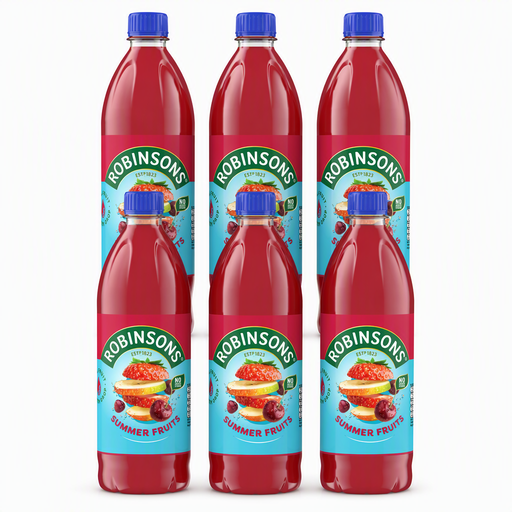 No image available
The multipack and stated yield may help plan repeated lunch service: the product information lists up to 25 prepared 250ml servings per 1L bottle.
It lists 0.6g sugars and 5kcal per prepared 250ml serving. Confirm the pack’s dilution instructions for staff, and check its sweeteners and sulphites on the current label.
 No image available
This orange concentrate is an option when the canteen is comparing sugars and energy in a prepared lunch drink.
The product information lists 3kcal per diluted 250ml serving; Sainsbury’s listing for the same orange product states 0g sugars at 1 part concentrate to 4 parts water. Check the current label for sweeteners and sulphites, and confirm yield using the canteen’s cup size.
 No image available
This blackcurrant concentrate adds a no-added-sugar flavour option to the drinks list.
Its preparation information uses 50ml concentrate for a 250ml serving. Check sugars and energy for the prepared drink on the current label before comparing it with other squashes; also check its sweeteners and sodium bisulphite.
No. Check sugars for the drink prepared as directed: Sainsbury’s lists 0g per 250ml for Robinsons Orange No Added Sugar, while its High Juice Orange No Added Sugar lists 2.4g per 250ml. The front-label wording does not make their prepared nutrition identical.
The ratio determines how staff prepare a consistent serving and affects how much drink a bottle yields. Sainsbury’s lists 1 part Robinsons Orange concentrate to 4 parts water; Waitrose suggests 1 part Essential Summer Fruits squash to 9 parts water. Put instructions for the stocked product beside the preparation equipment.
Check the current label of every stocked SKU rather than treating no-added-sugar squashes alike. The cited listings include products with sulphites or barley, while Sainsbury’s Ribena Blackcurrant listing carries a phenylalanine warning. Keep the information accessible when customers ask about a drink.
If the canteen operates as a food business, it must provide allergen information for prepacked and non-prepacked food and drink. Food Standards Agency guidance dated 17 July 2026 and separate Food Standards Scotland guidance state this requirement; check the applicable presentation rules for how the squash is supplied.
Start with the product’s stated dilution and serving size, then compare them with the cup size used at lunch. Waitrose lists 60 servings for its Essential No Added Sugar Summer Fruits Squash at its suggested 1:9 dilution; a different pour size will change the number of cups prepared.