Who is this choice for?
The useful choice depends on whether a child will drink water or milk at lunch, and whether a flavoured drink meets their age and ingredient needs.
Families changing a sugary lunch drink
For parents and carers considering squash instead of a sugar-sweetened drink, the first choice is whether water or milk will work at lunch. NHS guidance recommends those as children’s usual drinks; the UK Scientific Advisory Committee on Nutrition advises minimising sugar-sweetened drinks, including squash.
Families whose school-age child wants flavour
For a child who is reluctant to drink plain water, no-added-sugar squash may be a flavoured option rather than the default lunch drink. Healthier Together’s guidance for children aged 5 to 11 describes well-diluted sugar-free squash at one part squash to ten parts water.
Households checking ingredients or age suitability
A front-of-pack no-added-sugar claim is not enough when sweeteners, sulphites or age statements matter. Compare the current full label before choosing a squash for a particular child.
What should you check?
Decide whether a flavoured drink is needed, then compare squash as a prepared drink and check how it should be served to the child.
| Priority | What to check | Your needs |
|---|
| Usual lunch drink |
Start with water or milk. NHS guidance recommends them as children’s usual drinks; the UK Scientific Advisory Committee on Nutrition advises minimising sugar-sweetened drinks, including squash. |
If my child will drink water or milk at lunch, I do not need squash simply because it is available. |
| Sugar and serving basis |
Check the sugars and energy figures for the prepared drink, including the stated dilution. Compare like-for-like serving sizes rather than a concentrate with a ready-to-drink beverage. |
I want to compare drinks without assuming that ‘no added sugar’ means zero sugar. |
| Dilution |
Read the bottle’s preparation directions and its age advice. Healthier Together describes one part sugar-free squash to ten parts water for children aged 5 to 11; a product’s standard serving may use another ratio. |
When I make a lunch drink, I want to know how much concentrate goes into the glass my child will actually have. |
| Ingredients and age |
Read the current ingredient and allergen panel for sweeteners and sulphites, and check any age restriction. NHS weaning guidance does not recommend diet or reduced-sugar drinks for babies and toddlers. |
An ingredient restriction or a younger child in the household means I need to check the individual bottle, not just its front label. |
| Juice content |
Compare the stated fruit-juice percentage alongside the prepared-drink nutrition and ingredients. M&S lists 50% fruit juice for its no-added-sugar Lemon and Lime High Juice, which also lists sucralose and sulphites. |
I may prefer a higher-juice flavour, but I still need to decide whether squash is wanted at this lunch. |
Brand and range references
These examples show why the exact variant matters: flavours, juice content and ingredient lists differ within the squash category.
Robinsons
Its Apple & Blackcurrant No Added Sugar Squash is one example of a fruit-flavoured concentrate.
- Tesco lists 0 g sugars and 5 kcal per 250 ml serving prepared at the label’s one-to-four dilution.
- The listed ingredients include acesulfame K and sucralose; check the current label for the variant and child you are buying for.
M&S
Its no-added-sugar range includes an Orange Squash and a Lemon and Lime High Juice concentrate.
- M&S lists 20% fruit for Orange Squash and 50% fruit juice for Lemon and Lime High Juice.
- Both listed ingredient panels include sucralose and sulphites; the Orange Squash label says it is not suitable for babies.
Waitrose / Essential
Waitrose & Partners lists Essential No Added Sugar Apple & Blackcurrant Squash among its squash options.
- The listing gives an own-range option to compare by flavour and bottle size.
- Check the individual product label for its ingredients, prepared-drink nutrition and dilution directions.
Vimto
Vimto No Added Sugar Squash is a mixed-fruit alternative for shoppers comparing flavours.
- Waitrose & Partners lists 0.8 g sugars per 250 ml prepared serving and states that the product contains naturally occurring fruit sugars.
- The listed ingredients include sucralose and acesulfame K; no-added-sugar wording does not mean sweetener-free.
No-added-sugar squash options at Joybuy
These concentrates are options for adding flavour to water at a school-holiday lunch. They do not replace the separate choice of water or milk as a child’s usual drink.
 No image available
Robinsons No Added Sugar Orange Squash 1L
An orange-flavoured concentrate to consider when a school-age child wants flavour in water. Check its dilution directions and ingredients before serving; the product information states that it is not suitable for children under 36 months.
View at Joybuy
 No image available
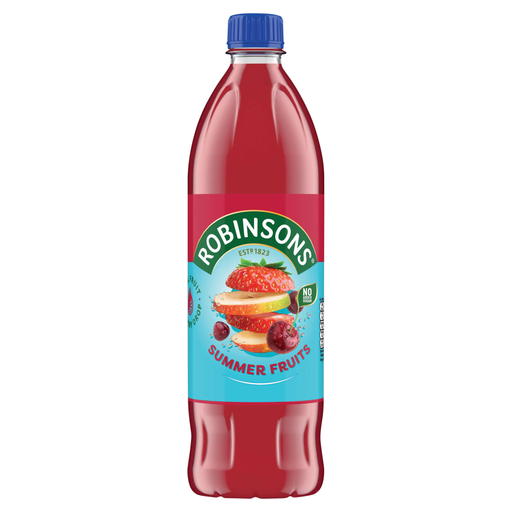
Robinsons No Added Sugar Summer Fruits Squash 1L
A summer-fruits concentrate for a child who prefers a fruit-flavoured drink. Check the current ingredients for sweeteners and sulphites, as well as the dilution and age guidance, before serving.
View at Joybuy
 No image available
Ribena Blackcurrant No Added Sugar Concentrate 1.5L
A blackcurrant concentrate for flavouring water. Check the current pack for prepared-drink nutrition, dilution and ingredients, including sodium bisulphite; its product information says it is not recommended for children under 3.
View at Joybuy
 No image available
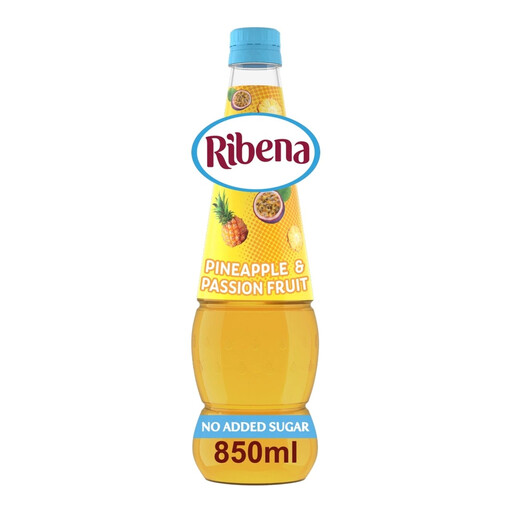
Ribena Pineapple and Passion Fruit No Added Sugar Squash 850ml
A pineapple-and-passion-fruit option when that flavour appeals. Check the full label for sulphites and a source of phenylalanine, and use its current age and dilution directions when preparing a child’s drink.
View at Joybuy
 No image available
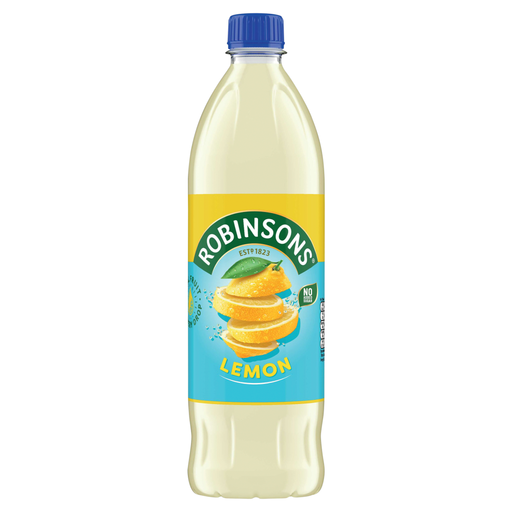
Robinsons No Added Sugar Real Fruit Lemon Juice Squash 1L
A lemon squash concentrate for adding flavour to water. Read the current pack for its sweeteners, prepared-drink nutrition, age advice and dilution directions, particularly if ingredients affect your choice.
View at Joybuy
Questions about squash at lunch
Should no-added-sugar squash be a child’s usual lunch drink?
Water and milk are the usual choices recommended by the NHS for children. If a school-age child wants flavour, well-diluted no-added-sugar squash can be an option, but it need not replace water in the everyday routine.
How much should I dilute squash for a school-age child?
Read the bottle and the guidance for the child’s age. Healthier Together describes one part sugar-free squash to ten parts water for children aged 5 to 11; standard serving directions on an individual bottle may be stronger.
Does ‘no added sugar’ mean no sugar or sweeteners?
No. The claim does not rule out naturally occurring fruit sugars or sweeteners. For example, Waitrose & Partners lists naturally occurring fruit sugars and sweeteners in Vimto No Added Sugar Squash, so check the ingredients and prepared-drink nutrition for the product you choose.
Is school-age squash advice suitable for babies or toddlers?
No. NHS weaning guidance says diet or reduced-sugar drinks are not recommended for babies and toddlers. Check product-specific age statements too: M&S labels its Orange Squash as not suitable for babies.
What should I check if a child has an ingredient restriction?
Read the current full ingredient and allergen panel for the exact variant. The listed Robinsons Apple & Blackcurrant product contains sweeteners, while the cited M&S Orange and Lemon and Lime products list sucralose and sulphites.


