A glass-bottle cordial such as M&S Elderflower Cordial suits making a flavoured drink at home, but its label does not establish it as a complete long-run fuel. For prolonged or intense runs, assess carbohydrate and sodium in the prepared drink alongside any other food and drinks in your plan; packaging and flavour alone cannot answer that question.
Who is this choice for?
Runners who want a glass-bottle cordial at home
A cordial can flavour water around training. If the drink is also meant to contribute to a long-run fuelling plan, compare its prepared-drink nutrition with that plan rather than relying on its packaging.
Runners assessing drink-based fuel
For prolonged or intense sessions, carbohydrate per prepared serving and declared sodium matter more to the fuelling question than whether a drink is called squash, cordial or a sports drink.
Shoppers checking sugar or sulphites
No-added-sugar squash and cordial can have different prepared-drink carbohydrate values. If sulphites are a concern, check the current ingredients and allergen information for the particular flavour.
What should you check before choosing?
Decide whether the drink is mainly for flavouring water at home or is expected to contribute to fuelling a run. Then compare labels at the dilution you will actually use.
Glass-bottle cordial
Consider it when: you want a concentrate to dilute at home and glass packaging matters to you.
Keep in mind: a cordial label does not necessarily establish an endurance-specific electrolyte profile.
Endurance drink
Consider it when: you need declared carbohydrate and sodium values to assess a drink as part of a longer-session plan.
Keep in mind: the drink still needs to be assessed alongside your planned food, other drinks and tolerable volume.
| Priority | What to check | Your needs |
|---|
| Carbohydrate |
Use carbohydrate per 100 ml or serving of the prepared drink. Compare the amount you plan to drink with carbohydrate from other drinks or food. A 2015 review indexed by PubMed discusses 30–60 g per hour for high-intensity exercise lasting 1–2.5 hours; it is not a figure for every session. |
I want to know whether the drink contributes carbohydrate to a longer run or simply flavours water. |
| Sodium |
Look for a declared sodium value and its measurement basis. A 2004 review in Nutrition discusses carbohydrate-containing fluid with sodium for intense, prolonged exercise; do not assume an ordinary squash has the same formulation. |
For a prolonged session, I need to assess sodium as well as carbohydrate across the drinks and food I intend to take. |
| Glass and dilution |
Confirm the bottle material on the specific product. Follow its mixing directions and read nutrition values for the prepared drink; Ocado lists M&S Elderflower Cordial in a glass bottle with a ratio of one part cordial to four parts water. |
Glass matters for the bottle I keep at home, and I want to know what ends up in the drink I prepare. |
| Ingredients |
Check the current ingredients and allergen information for the exact flavour. Ocado lists sulphur dioxide/sulphites for M&S Elderflower Cordial; Sainsbury's lists sodium metabisulphite for its Apple & Elderflower High Juice Squash. |
If sulphites are a concern for me, I need to check each product rather than assume different cordials have the same ingredients. |
Buying mistakes to avoid
-
Treating any squash as complete long-run fuel
Flavour and glass packaging do not establish how much carbohydrate or sodium a prepared drink supplies. The endurance reviews indexed by PubMed discuss these nutrients in the context of prolonged exercise.
Compare the prepared drink’s label with the rest of your planned food and drinks, and try the combination during training rather than introducing it on an event day.
-
Comparing concentrates without accounting for dilution
The amount of concentrate in a glass changes the nutrients delivered by the drink. Ocado lists a one-to-four cordial-to-water ratio for M&S Elderflower Cordial; Waitrose & Partners gives four parts water to one part concentrate for Robinsons Orange No Added Sugar.
Compare values on the same prepared-drink basis, using each product’s stated mixing directions.
-
Assuming cordials have interchangeable ingredients
Ocado’s M&S cordial listing declares sulphur dioxide/sulphites, so a preference for its glass bottle does not settle ingredient compatibility.
Read the current bottle label for the flavour you are buying, particularly if you need to avoid sulphites.
Brand examples and their labels
These examples illustrate different label checks; a brand’s inclusion here does not establish that every drink in its range uses the same bottle or formulation.
M&S
Ocado lists M&S Elderflower Cordial as a glass-bottle concentrate diluted one part cordial to four parts water.
- The listed prepared drink contains 4.8 g carbohydrate per 100 ml, a useful value when comparing drinks on the same basis.
- It declares sulphur dioxide/sulphites; its label does not establish an endurance-specific electrolyte formulation.
Robinsons
Waitrose & Partners lists Robinsons Orange No Added Sugar as a squash mixed with four parts water to one part concentrate.
- It offers a no-added-sugar way to flavour water for routine drinking.
- The listing describes negligible carbohydrate and sugars in the prepared drink, so do not count on it as the main carbohydrate contribution to a long-run plan.
Sainsbury's
Sainsbury's lists its Apple & Elderflower High Juice Squash as a no-added-sugar concentrate containing 50% fruit.
- The listed diluted 250 ml serving contains 2.9 g carbohydrate and 0.06 g salt, allowing a serving-based label comparison.
- Its ingredients include sodium metabisulphite (sulphites). Check the particular bottle if glass packaging is required.
Joybuy endurance-drink options
These ready-to-drink options relate to assessing drinks for longer sessions. They are not glass-bottle squash or cordial substitutes on packaging alone.
 No image available
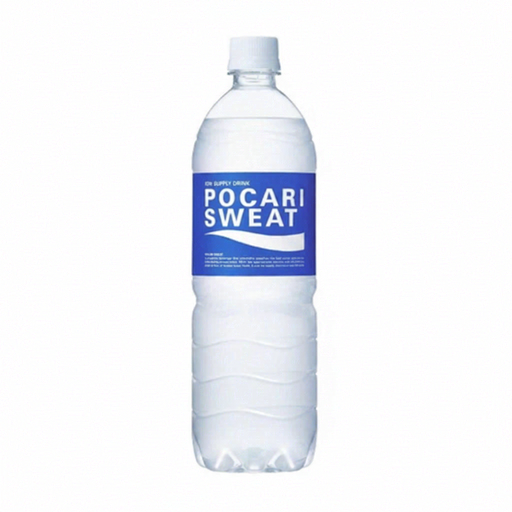
Pocari Sweat Drink 900 ml
For a drink you intend to assess as part of a longer-session plan, compare its current nutrition label with everything else you intend to take. The stated bottle size is 900 ml; check its material before buying if glass is essential.
View on Joybuy
 No image available
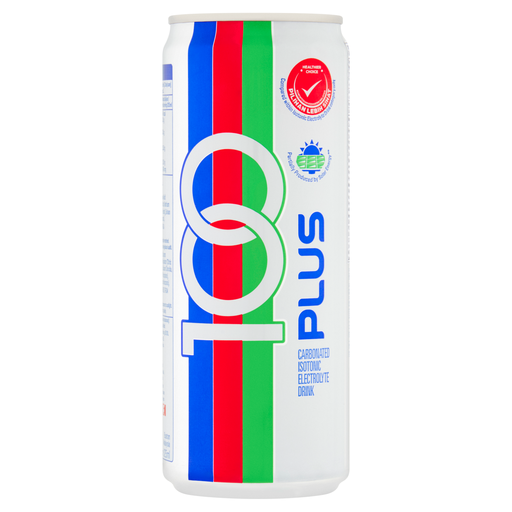
F&N 100 Plus Malaysian Carbonated Isotonic Electrolyte Drink 325 ml Halal
For a ready-to-drink option to assess alongside a wider fuelling plan, check the current nutrition information per serving. This 325 ml carbonated drink is described as a can, not a glass bottle; check its sodium figure before comparing it with other drinks.
View on Joybuy
Questions about squash and running
Can glass-bottle cordial replace a sports drink on a marathon long run?
Not on the basis of its bottle or flavour. A 2015 review indexed by PubMed discusses 30–60 g carbohydrate per hour for high-intensity exercise lasting 1–2.5 hours, while a 2004 review in Nutrition discusses sodium-containing fluid for intense, prolonged exercise. Ocado lists carbohydrate in prepared M&S Elderflower Cordial, but its product information does not establish an endurance-specific electrolyte formulation.
How do I compare cordial nutrition with a ready-to-drink option?
Compare the drinks as you would consume them, using the stated dilution and a consistent volume. Ocado lists 4.8 g carbohydrate per 100 ml of prepared M&S Elderflower Cordial at a one-to-four dilution; Waitrose & Partners describes negligible carbohydrate in prepared Robinsons Orange No Added Sugar Squash.
Should I check cordial labels for sulphites?
Yes, if sulphites are a concern for you. Ocado lists sulphur dioxide/sulphites in M&S Elderflower Cordial, and Sainsbury's lists sodium metabisulphite in its Apple & Elderflower High Juice Squash. Check the current label of the exact product and flavour you intend to buy.


