Canteens with a dilution station
Concentrated squash suits a lunch service that can supply water and use a consistent measure. Tesco Groceries lists a quadruple-strength 1.5L bottle with 100 stated servings when prepared as directed.


Choose concentrated squash when the canteen can provide water and measure drinks consistently; Tesco Groceries lists a 1.5L quadruple-strength bottle that makes 100 glasses of 300ml at its stated dilution. Choose ready-to-drink cans when sealed portions and no mixing matter more. Canned soft drinks are a different format from squash, so check the exact drink, pack and ingredients before changing the lunch-service plan.
The serving setup is the starting point: concentrate needs water and measuring, while cans provide individual ready-to-drink portions.
Concentrated squash suits a lunch service that can supply water and use a consistent measure. Tesco Groceries lists a quadruple-strength 1.5L bottle with 100 stated servings when prepared as directed.
Sealed cans avoid mixing at the serving point. Check whether a ready-to-drink soft drink meets the brief: Rocks Drinks lists its squash and sparkling cans as separate lines.
Use the exact pack to assess sugar, sweeteners and allergen information, particularly when drinks are prepared or decanted for employees. A no-added-sugar label does not, by itself, mean there are no sweeteners.
Choose when: A water station and a dependable measuring method can support lunch service.
Trade-off: Drinks must be diluted rather than handed out as sealed individual portions.
Choose when: Employees need sealed portions without preparation at the canteen.
Trade-off: A canned soft drink is not concentrated squash; confirm that changing drink type meets the brief.
| Priority | What to check | Your needs |
|---|---|---|
| Serving yield | Check the bottle’s stated servings, dilution ratio and glass size together. Tesco Groceries specifies 100 glasses of 300ml from its 1.5L quadruple-strength blackcurrant squash at 1 part squash to 19 parts water. | I need to prepare drinks through a lunch service without relying on individually packed cans. A consistent measure matters if several people will mix them. |
| Serving format | Decide whether drinks will be mixed at a water station or supplied in sealed cans. Check the exact can count, can size and drink type. | If people take drinks away from the canteen, I may need individual portions rather than a jug or dispenser of squash. |
| Sugar and sweeteners | Read the nutrition values on the stated prepared-drink basis and check the ingredient list for sweeteners. Waitrose & Partners lists 4.4g sugars per 100ml diluted for Rocks Blackcurrant Squash, which contains sugar. | I want to distinguish a no-added-sugar option from a sugar-containing fruit squash without assuming either label tells me everything about the ingredients. |
| Ingredients and allergens | Check the delivered pack’s ingredient and allergen declaration, and keep that information accessible if the drink is decanted or mixed for service. | Employees may ask what is in a prepared drink, so I need information for the exact product being served. |
| Flavour and pack choice | Compare exact flavours, bottle sizes and dilution instructions within a concentrate range. Tesco Groceries lists Robinsons Double Strength variants, but a bottle’s size alone does not establish its prepared yield. | We may want more than one flavour, but each option still needs a workable serving measure. |
Concentrate needs dilution; a ready-to-drink can does not. Rocks Drinks lists squash and sparkling cans as separate product lines.
Settle the serving format before selecting packs, and check whether a proposed can is actually the type of drink the canteen intends to offer.
The Tesco quadruple-strength blackcurrant squash described by Tesco Groceries contains sucralose and acesulfame K, as well as sodium metabisulphite.
Check the current ingredient and allergen declaration for each exact pack before preparing drinks for service.
A larger bottle does not necessarily produce more prepared glasses: the stated dilution and serving size also matter. Tesco Groceries gives a 1:19 dilution for its quadruple-strength blackcurrant squash.
Compare serving claims only on their stated glass sizes and preparation instructions, then choose a measure staff can use consistently.
The drink being served must match the ingredient and preparation information available to the canteen; product details can differ between variants or change over time.
Check the delivered pack for ingredients, allergens, nutrition and storage instructions, and update canteen information when the product changes.
These brand examples illustrate different concentrate choices; they do not establish which exact packs a supplier currently carries.
Tesco’s own-label quadruple-strength squash is relevant to a measured dilution station.
Tesco Groceries lists Robinsons Double Strength squash in flavours that include orange and apple & blackcurrant.
Rocks offers fruit-based squash and, separately, gently sparkling cans.
These options cover concentrated squash for preparation at a water station and ready-to-drink cans for sealed, grab-and-go service. The cans are soft drinks, not canned squash.
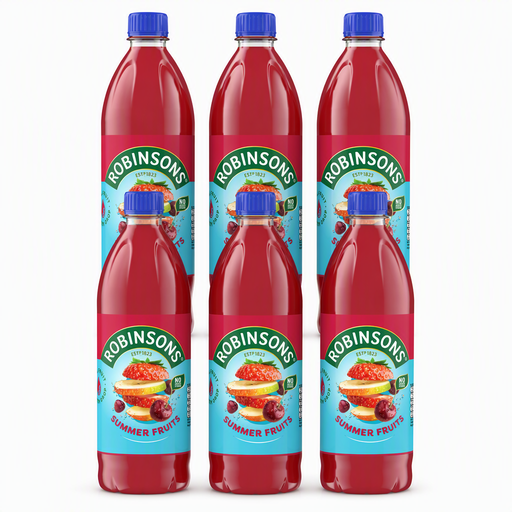 No image available
A six-bottle concentrate pack for a canteen that can provide water and measure each serving.
Check the delivered pack’s dilution instructions before setting up a dispenser, and review its sweetener and allergen information before service.
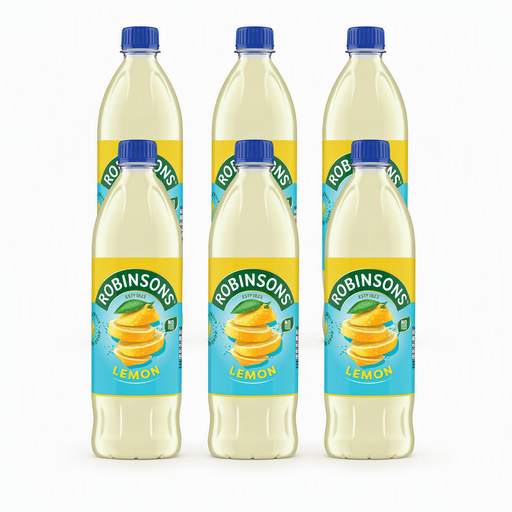 No image available
This six-bottle concentrate pack offers another squash flavour for a measured water station.
Set serving measures from the delivered pack, and check its sweetener and phenylalanine information when preparing ingredient details for employees.
 No image available
A single concentrate bottle for a canteen serving diluted squash rather than sealed individual drinks.
Use the pack’s preparation directions and check its ingredient declaration. Compare nutrition using the stated prepared-serving basis.
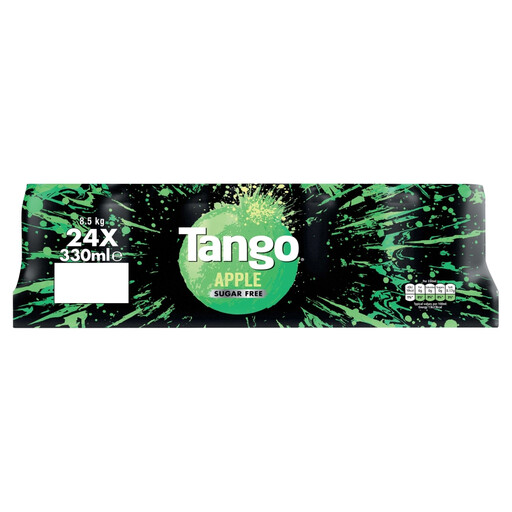 No image available
Sealed cans avoid mixing at the lunch counter, but this apple-flavoured soft drink is not squash.
Consider it only if ready-to-drink cans meet the canteen’s brief, and check the current pack for ingredients and sweeteners.
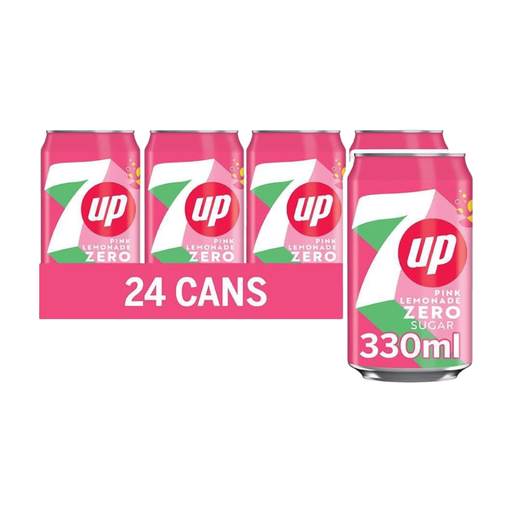 No image available
This canned lemonade offers sealed portions without dilution; it is a soft drink rather than squash.
If changing to cans suits the service, check the delivered pack’s ingredients, including its sweetener and phenylalanine information.
No. Concentrated squash is diluted with water, while a canned soft drink is ready to drink. Rocks Drinks lists squash and gently sparkling cans as separate lines, so check the exact product before treating a can as a substitute.
No. Tesco Groceries’ quadruple-strength blackcurrant squash is labelled no added sugar but contains sucralose and acesulfame K. Check the exact pack if particular ingredients matter to employees.
Tesco Groceries instructs users to dilute 1 part squash with 19 parts water; it describes one 15ml tablespoon as making a 300ml glass. Use the current pack instructions and a consistent measure when preparing drinks for service.
No conclusion about sugar content follows from a fruit-based description alone. Waitrose & Partners lists Rocks Blackcurrant Squash, which contains sugar, at 4.4g sugars per 100ml diluted. Compare exact products on the same prepared-drink basis.