At-home gamers with water nearby
Bottled squash suits a session where you have water and a glass or refillable bottle. It is concentrate, so you need to dilute it according to the pack rather than open it like a can.


Choose bottled squash if you have water and a cup or bottle available for mixing. If the priority is a drink you can open straight away, look at ready-to-drink cans instead: Tesco lists squash as concentrate, while Sainsbury’s places multipack cans in its fizzy-drinks category. Check each product’s dilution instructions, ingredients and nutrition on the stated serving basis.
The practical divide is whether you can mix a drink or need one that is ready to open.
Bottled squash suits a session where you have water and a glass or refillable bottle. It is concentrate, so you need to dilute it according to the pack rather than open it like a can.
Ready-to-drink cans avoid mixing during a session. Shop for the type of drink you want rather than assuming a multipack can contains squash; Sainsbury’s lists its multipack cans under fizzy drinks.
No-added-sugar squash can still contain sweeteners or allergens. Sainsbury’s Quadruple Strength Tropical Squash, for example, lists sweeteners and sulphites, so check the current label of the product you choose.
Settle the format first, then compare preparation instructions and labels on the basis of the drink you will actually serve.
| Priority | What to check | Your needs |
|---|---|---|
| Drink format | Check whether the listing says concentrate or ready to drink. Tesco lists bottled squash in its squash category; Sainsbury’s describes its multipack-can category as fizzy drinks. | I want to open an individual drink during the session, or I have time and water to mix squash. |
| Preparation | Follow the dilution instructions for the particular squash. Waitrose Essential No Added Sugar Orange Squash suggests one part squash to nine parts water; other products can give different directions. | If I choose concentrate, I can keep water and a glass or bottle nearby. |
| Nutrition basis | Check whether values are per 100ml, per prepared serving or per can, and note the serving size. Sainsbury’s reports less than 0.5g sugars per diluted 250ml serving for its Quadruple Strength Tropical Squash. | I want to compare the drinks as served, rather than compare a diluted squash figure with a can measured on a different basis. |
| Ingredients | Read the current ingredient and allergen declaration, including any sweeteners. Sainsbury’s Tropical Squash lists sucralose, acesulfame K and sodium metabisulphite (sulphites). | For an allergy or intolerance, I need to check the particular pack before buying or serving it. |
Squash concentrate still needs water and preparation. Tesco’s squash listings and Sainsbury’s fizzy-drink multipack category describe different formats.
Decide whether you want to mix a drink or open one, then check the format in the individual listing.
A figure for diluted squash applies to the prepared serving stated on its label. Sainsbury’s Tropical Squash gives its sugar figure per diluted 250ml serving.
Follow the pack’s dilution directions and compare nutrition using clearly stated serving sizes.
Sainsbury’s no-added-sugar Tropical Squash lists sweeteners and sulphites. A no-added-sugar description does not describe every ingredient.
Check the current pack’s ingredients and allergen declaration, particularly when buying for someone with an allergy or intolerance.
These bottle-format examples help distinguish squash and cordial from ready-to-drink cans; they do not describe the Joybuy selection below.
Tesco lists Robinsons Double Strength Summer Fruits Squash as a 1.75L concentrate.
Tesco’s squash category includes its own-label Quadruple Strength Lemon Squash No Added Sugar 1.5L.
Sainsbury’s Quadruple Strength Tropical Squash is a 1.5L no-added-sugar concentrate.
Waitrose Essential No Added Sugar Orange Squash is a bottle-format concentrate.
M&S lists a 500ml Sicilian Lemon and Mexican Lime Cordial among its dilute-with-water drinks.
These options include bottled squash for mixing and cans for opening during a session. The canned drinks are not squash, and the J2O listing needs a pack-count check.
 Image unavailable
A ready-to-drink can option when mixing squash would interrupt the session. The title states 24 cans of 330ml each; this is a carbonated soft drink, not squash. Check the current pack for ingredients and allergen details.
 Image unavailable
A concentrated squash bottle for a session where water and a glass or bottle are available. The 1.5L squash must be diluted; follow the current pack instructions. Its listed ingredients include sweeteners and sodium bisulphite, so check the label when buying for someone with an allergy or intolerance.
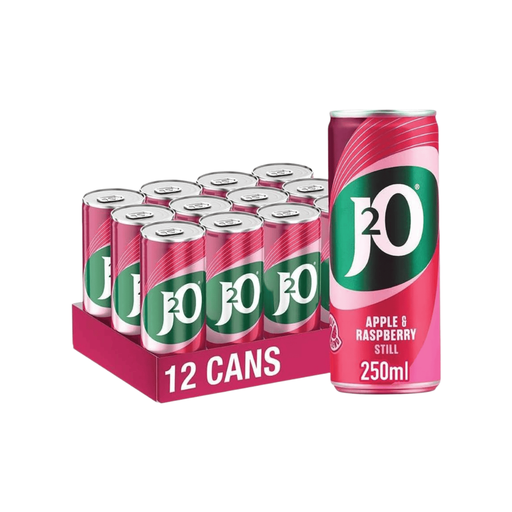 Image unavailable
A ready-to-drink canned fruit blend rather than squash, with 250ml stated for each can. The listing gives conflicting pack counts, so confirm the number of cans before ordering. Check the current pack for ingredients and serving-level nutrition; do not assume this drink is carbonated.
Search by the drink format you need. Tesco lists squash concentrate in its squash category, whereas Sainsbury’s describes its multipack-can category as fizzy drinks. If you need a can to open straight away, check ready-to-drink listings rather than assuming they contain squash.
Follow the directions on the particular pack and keep water and a glass or bottle available. Waitrose suggests one part squash to nine parts water for its Essential No Added Sugar Orange Squash; that ratio should not be assumed for another product.
No. Sainsbury’s Quadruple Strength Tropical Squash lists sucralose, acesulfame K and sodium metabisulphite (sulphites). Check the current pack’s ingredient and allergen declaration for the product you plan to serve.
Start with whether you want to mix concentrate or open a ready-to-drink can. For nutrition, check each label’s stated basis—such as per 100ml, per diluted serving or per can—before comparing figures, and read the ingredients of each product separately.