Short-session gym-goers
If you want a flavoured drink rather than workout fuel, no-added-sugar squash may suit a short session when you have already eaten. Check the prepared drink’s nutrition rather than treating the concentrate as a snack.


No-added-sugar squash can be a flavoured drink before a short workout, particularly if you have already eaten, but it is not a pre-workout snack: the prepared examples listed by Sainsbury’s, Tesco and Waitrose & Partners provide little carbohydrate. If you need food before training, consider a carbohydrate-containing snack; hard or prolonged exercise may call for a separate carbohydrate-and-electrolyte plan, as the British Dietetic Association and British Heart Foundation advise.
If you want a flavoured drink rather than workout fuel, no-added-sugar squash may suit a short session when you have already eaten. Check the prepared drink’s nutrition rather than treating the concentrate as a snack.
Squash can be your drink, but it does not take the place of food. University College London Hospitals NHS Foundation Trust advises that a snack taken 60–90 minutes before training should include carbohydrate and protein with minimal fat.
For hard or prolonged activity, consider carbohydrate and electrolyte needs separately from your choice of squash. The British Heart Foundation describes isotonic drinks, which contain both, as most suited to endurance sport.
Decide whether you need a drink, food before training or a plan for prolonged exercise. Then compare squash using its prepared-drink figures and the dilution instructions on the bottle.
Choose it when: you want a flavoured drink before a short session and have already eaten.
Bear in mind: the low-carbohydrate prepared examples are drinks, not substitutes for a snack.
Choose it when: you need food before training as well as something to drink.
Bear in mind: timing matters; University College London Hospitals NHS Foundation Trust describes carbohydrate-and-protein snacks taken 60–90 minutes beforehand.
Consider it when: exercise is hard or prolonged and carbohydrate and electrolyte replacement are relevant.
Bear in mind: a carbohydrate-containing sports drink serves a different purpose from low-carbohydrate squash; it is not automatically needed for a short session.
| Priority | What to check | Your needs |
|---|---|---|
| Prepared-drink nutrition | Check energy and sugars per diluted serving. Sainsbury’s lists 4 kcal and less than 0.5 g sugars per 250 ml of its prepared quadruple-strength lemon squash; Tesco lists 5 kcal and 0.5 g sugars per 300 ml of its prepared orange squash. Compare like serving sizes. | I want flavour in my drink without choosing it as a source of workout energy. |
| Food before training | Check when you last ate and whether you need a snack. The British Dietetic Association discusses a low-fat, carbohydrate-rich snack or light meal two to three hours before exercise; University College London Hospitals NHS Foundation Trust describes carbohydrate-and-protein snacks 60–90 minutes beforehand. | If I have missed a meal, I need to think about food as well as my drink. |
| Session demands | Consider duration, intensity and sweating. The British Dietetic Association discusses carbohydrate intake during hard exercise lasting more than an hour; the British Heart Foundation identifies carbohydrate-and-electrolyte isotonic drinks with endurance sport. | For a long or demanding session, I do not want to rely on low-carbohydrate squash as my entire fuelling plan. |
| Dilution | Follow each bottle’s instructions before comparing prepared drinks. Tesco specifies one part squash to 19 parts water for its quadruple-strength orange product; Waitrose & Partners lists one part concentrate to four parts water for Robinsons Summer Fruits. | I want to know what a prepared glass contains, not compare one concentrate with another brand’s diluted drink. |
| Ingredients | Read the exact bottle’s ingredients and warnings, including sweeteners and sulphites. A no-added-sugar claim does not describe every ingredient. | I need a flavour and ingredient list that fits my preferences or any ingredient restrictions I follow. |
Prepared no-added-sugar examples can contain little carbohydrate, while the British Dietetic Association identifies carbohydrate as fuel for exercising muscles.
Use squash as a drink. If you need food before training, plan a carbohydrate-containing snack or light meal at a suitable time.
Nutrition per concentrate, per 100 ml of prepared drink and per glass describes different quantities. Strength and serving size also vary between bottles.
Follow each bottle’s dilution ratio and compare energy, carbohydrate and sugars on the same prepared-drink basis.
The claim does not rule out sweeteners or sulphites. The Sainsbury’s, Tesco and Robinsons product information includes ingredients that may matter to individual shoppers.
Check the current bottle for its full ingredients and warnings, including any aspartame or phenylalanine wording relevant to you.
Low-carbohydrate squash does not serve the same fuelling purpose as the carbohydrate-and-electrolyte drinks the British Heart Foundation discusses for endurance sport.
For hard or prolonged sessions, plan drinks and food around the activity rather than assuming one low-carbohydrate drink covers every need.
These product-line examples help you compare formats and labels; they do not imply that every variety has the same recipe.
The Summer Fruits No Added Sugar product listed by Waitrose & Partners is diluted one part concentrate to four parts water.
Tesco’s Quadruple Strength Orange Squash No Added Sugar is a concentrated option with a one-part-to-19-parts dilution instruction.
Sainsbury’s Quadruple Strength Lemon Squash uses a one-part-to-19-parts dilution instruction.
M&S describes its Pink Grapefruit High Juice as a no-added-sugar concentrate made with 50% fruit juice.
Waitrose & Partners lists own-label no-added-sugar squash and Robinsons products in its no-added-sugar squash range.
These Robinsons options are concentrates to consider when you want a flavoured drink before training. Choose food separately if you need a pre-workout snack, and check the bottle’s dilution and ingredients for the particular variant.
 No image available
An orange squash to consider when you want a drink rather than a pre-workout snack. Check the bottle’s dilution instructions, prepared-drink nutrition and ingredients before choosing it.
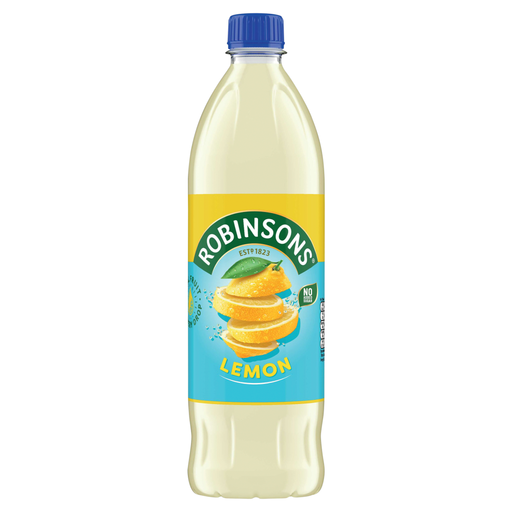 No image available
A lemon option for a flavoured drink before training, not a replacement for food when you need a snack. Check the current bottle’s prepared-drink carbohydrate and sugar figures, dilution instructions and ingredient warnings.
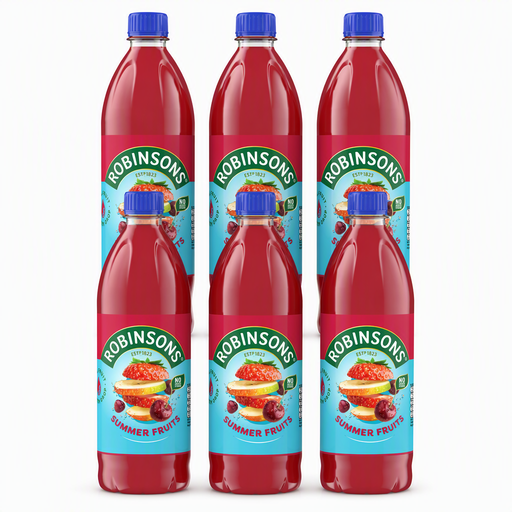 No image available
A six-bottle Summer Fruits pack if that format suits your use. Treat it as a drink rather than a pre-workout snack, and check the bottles’ dilution, prepared-drink nutrition and ingredient warnings.
 No image available
A single-bottle Summer Fruits option to consider for a flavoured drink before a session. Check the bottle’s dilution, prepared-drink carbohydrate and protein figures, and ingredients if those details affect your choice.
No: use it as a drink, not as the food you rely on before training. Prepared examples listed by Sainsbury’s, Tesco and Waitrose & Partners provide around 4–5 kcal per glass and little carbohydrate; University College London Hospitals NHS Foundation Trust advises carbohydrate and protein with minimal fat for snacks taken 60–90 minutes before exercise.
It may suit you when you want a flavoured drink before a short session and have already eaten. The British Heart Foundation includes no-added-sugar squash among everyday fluid choices; it does not present the drink as a substitute for food.
Do not assume low-carbohydrate squash covers fuelling for hard, prolonged exercise. The British Dietetic Association discusses carbohydrate intake during hard exercise lasting more than an hour, while the British Heart Foundation notes that isotonic drinks contain carbohydrate and electrolytes for endurance sport. Consider the session’s demands and your wider food-and-drink plan.
No. Check “of which sugars” on the nutrition label for the particular prepared drink: Tesco lists 0.5 g per prepared 300 ml glass of its no-added-sugar orange squash, while Sainsbury’s lists less than 0.5 g per prepared 250 ml serving of its lemon squash.
Read the exact product’s ingredients and warnings if sweeteners or sulphites matter to you. Some of the listed squash examples contain these ingredients; if you need to avoid aspartame or phenylalanine, check the bottle’s wording rather than relying on its no-added-sugar claim.