For half-term snacks, choose squash to mix with sparkling water if the product directions permit it and you want to control dilution; choose a ready-to-drink sparkling fruit drink when serving without preparation matters more. Compare sugar and sweeteners using the prepared-drink nutrition figures, and check the ingredients and any child-specific directions on the current pack. For routine drinks between meals, plain water or milk is the more suitable choice; the NHS identifies too much sugary food and drink as a common cause of tooth decay.
Who is choosing these drinks?
Families planning fizzy half-term snacks
If you are serving drinks at home or taking them out, the choice is between preparing squash with sparkling water and opening a ready-to-drink can or bottle. Check the serving format alongside sugar and sweeteners.
Shoppers comparing sugar and sweeteners
Real-sugar squash, no-added-sugar concentrate and ready-to-drink fruit drinks have different recipes. A no-added-sugar claim does not, by itself, tell you whether a drink contains sweeteners.
Households checking ingredients
Read the current pack when an allergy, intolerance or ingredient restriction matters. The Robinsons Fruit & Barley Peach example names sodium metabisulphite; the Food Standards Agency includes sulphur dioxide and sulphites in its allergen information.
What matters when choosing?
Decide whether you want to mix each glass or serve a finished drink, then compare labels on the drink as it will be served.
Squash with sugar
Consider it: When you want to prepare each glass and prefer a recipe without artificial sweeteners; Sainsbury's lists Rocks Blackcurrant Squash with directions for still or sparkling water.
Trade-off: This is not a no-added-sugar option, and the finished drink still contains sugar.
No-added-sugar squash
Consider it: When you want to control dilution and the ingredients suit your household; check the individual pack before using sparkling water.
Trade-off: Waitrose lists sweeteners in Robinsons Fruit & Barley Peach, but its stated dilution directions do not specifically mention sparkling water.
Ready-to-drink sparkling fruit drink
Consider it: When individual drinks are easier to serve or take on an outing; Sainsbury's lists Vimto Sparkling No Added Sugar in a 6 × 330ml pack.
Trade-off: You cannot adjust a finished drink's dilution as you can with squash, and a no-added-sugar version can still contain sweeteners.
| Priority | What to check | Your needs |
|---|
| Sugar and sweeteners | Compare sugars per 100ml of the prepared drink. Read the ingredients list as well as any no-added-sugar claim. | I want to know whether the drink contains sugar, sweeteners or both before choosing a flavour for the snack table. |
| Dilution | Follow the concentrate's stated mixing ratio. Check whether its directions specifically permit sparkling water. | If I am mixing glasses at home, I want to know how much concentrate and water to use; I would rather not assume every squash has the same directions. |
| Serving format | Check whether preparation is needed and whether the pack contains individual cans or a bottle to pour. | For a day out, a ready-to-drink format may be simpler. At home, making each glass could be more practical. |
| Ingredients and allergens | Read the current pack's ingredients and allergen information, including any sulphites or sweeteners relevant to your household. | Before serving a child with an ingredient restriction, I need to check the drink in hand rather than rely on a previous purchase. |
| Between-meal drinks | Consider how often sugary drinks would be served; the NHS identifies too much sugary food and drink as a common cause of tooth decay. | I am choosing something for an occasional snack, not a flavoured fizzy drink to offer throughout the day. |
What is easy to overlook?
-
Reading “no added sugar” as “plain sparkling water”
The no-added-sugar squash and sparkling fruit-drink examples listed by Waitrose and Sainsbury's contain sweeteners. The front-of-pack claim does not describe the whole recipe.
Read the ingredients and nutrition panel if sweeteners or other ingredients affect your choice.
-
Comparing concentrate with a finished can
A squash label may give nutrition after dilution, while a ready-to-drink can is already at serving strength. Figures on different bases do not make a like-for-like comparison.
Follow the squash's mixing directions and compare per-100ml figures for drinks prepared as directed.
-
Making a sugary fizzy drink the usual between-meal option
The NHS identifies too much sugary food and drink as a common cause of tooth decay. Adding sparkling water to a sugar-containing squash does not remove its sugar.
Keep flavoured sparkling drinks for occasional snack occasions and offer plain water or milk for routine between-meal drinking.
-
Relying on a previous ingredient list
A product's current ingredients matter when your household avoids a particular sweetener or allergen.
Check the bottle or can you are about to serve, especially where sulphites or another ingredient are a concern.
Brand and retailer references
These examples illustrate label and format differences; a retailer's range does not mean that its products share a recipe.
Robinsons
A squash reference for shoppers comparing a no-added-sugar concentrate with other recipes.
- Waitrose lists Fruit & Barley Peach as no added sugar, with directions to dilute one part concentrate with four parts water.
- The listing names acesulfame K and sucralose. Check the current pack for its ingredients and for any directions relevant to the child being served; do not assume its water directions specifically permit sparkling water.
Rocks
A mix-at-home example where sparkling water is expressly mentioned in the product directions.
- Sainsbury's lists Blackcurrant Squash with instructions to add one part squash to eight parts still or sparkling water.
- It is a sugar-containing squash, so compare its prepared-drink nutrition with any no-added-sugar alternative.
Vimto
A ready-to-drink alternative when individual sparkling drinks suit the occasion better than mixing squash.
- Sainsbury's lists Vimto Sparkling No Added Sugar as a carbonated mixed-fruit drink in a 6 × 330ml pack.
- The listed drink contains sweeteners; it is not the same as plain sparkling water.
Waitrose
A retailer range where shoppers can compare own-label squash with named products.
- The Waitrose squash category lists Essential No Added Sugar and High Juice options alongside other brands.
- Check each product's own ingredients, nutrition and dilution directions rather than applying one listing's details to the range.
Tesco
A retailer range that includes own-label squash and several named brands.
- The Tesco squash and cordial category lists a quadruple-strength no-added-sugar option as well as Robinsons, Vimto and Rocks products.
- Strength and no-added-sugar wording do not establish the ingredients or sparkling-water directions of another product in the range.
Ready-to-drink options on Joybuy
These options are for serving a finished sparkling fruit drink at a half-term snack, rather than buying concentrate to mix with sparkling water. Check each current pack for ingredients, nutrition and serving cautions that matter to your household.
 No image available
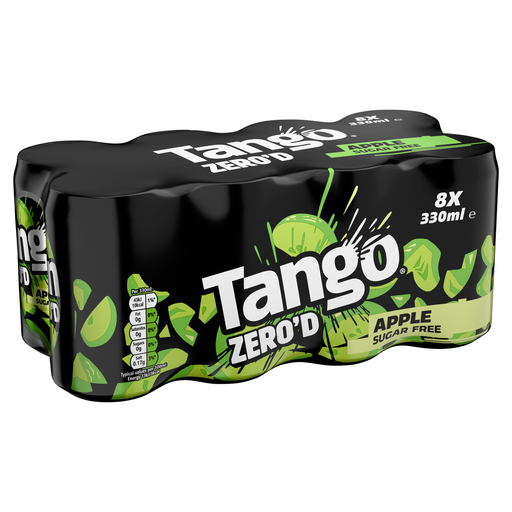
Tango Sugar Free Apple 8 × 330ml
The eight 330ml cans provide individual drinks for a snack occasion without mixing squash. Check the current ingredients if sweeteners are a consideration.
View on Joybuy
 No image available
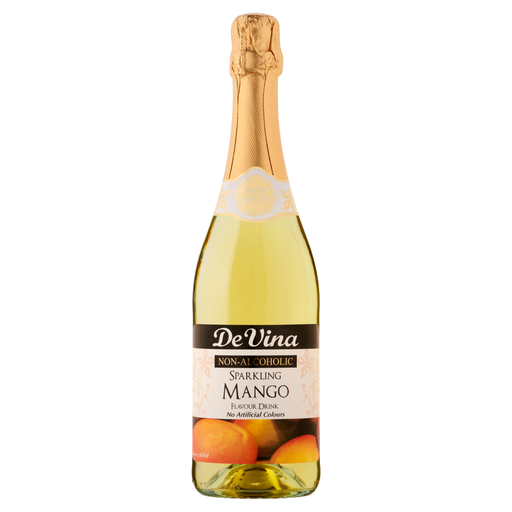
De Vina Sparkling Mango 750m
This sparkling mango option avoids the squash-mixing step. Check the current pack for its volume, sugars per 100ml and sweeteners before comparing it with other finished drinks.
View on Joybuy
 No image available
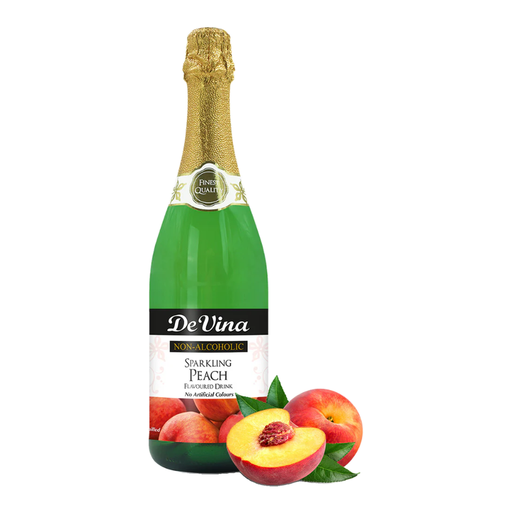
De Vina Sparkling Peach 750ml
The 750ml sparkling peach drink is a finished-drink option for a snack table. Check sugars per 100ml and the current allergen information, particularly if sulphites matter to your household.
View on Joybuy
 No image available
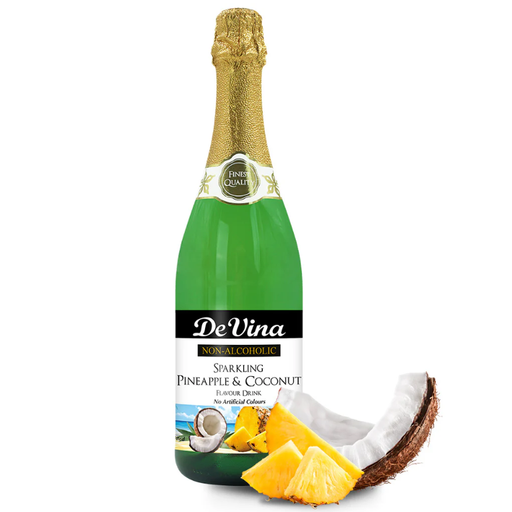
De Vina Sparkling Pineapple Coconut 750ml
This 750ml sparkling pineapple-and-coconut drink needs no squash preparation. Check the current ingredient and allergen statements before serving it where coconut, soy or wheat are a concern.
View on Joybuy
 No image available
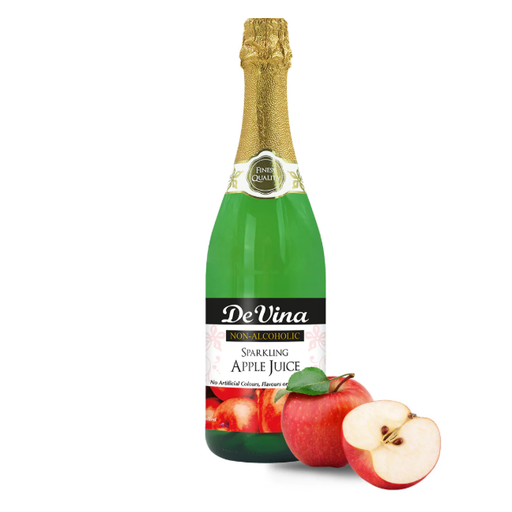
De Vina Sparkling Apple 750ml
This 750ml sparkling apple drink is a ready-to-serve option, but the product guidance states that it is not suitable for children under four. Take care with its glass bottle and check the pack's nutrition before comparing sugars with other drinks.
View on Joybuy
Questions about sparkling squash
Can I mix squash with sparkling water?
Yes, when the individual product's directions permit it. Sainsbury's lists Rocks Blackcurrant Squash with instructions for one part squash to eight parts still or sparkling water; check other concentrates separately.
Does “no added sugar” mean there are no sweeteners?
No. The Robinsons Fruit & Barley Peach squash listed by Waitrose and the Vimto Sparkling No Added Sugar drink listed by Sainsbury's contain sweeteners. Read the full ingredients list as well as the nutrition panel.
What should children have between meals?
Choose plain water or milk for routine between-meal drinks rather than making a flavoured sparkling drink the default. The NHS identifies too much sugary food and drink as a common cause of tooth decay.
What if a child needs to avoid an ingredient?
Check the ingredients and allergen information on the current pack before serving. For example, the Robinsons Fruit & Barley Peach product information names sodium metabisulphite, and the Food Standards Agency includes sulphur dioxide and sulphites in its allergen information.


