What should you check first?
Start with the child’s age and usual drink, then compare squash using the nutrition and ingredients for the drink you will actually serve.
Water or milk
Choose when: The child will drink either regularly during the school day.
Consider: NHS Healthier Together recommends these as children’s regular drinks, although a child used to fruit flavours may prefer another taste.
No-added-sugar squash
Choose when: A child aged 5 or over wants a fruit-flavoured alternative to sugary squash and the ingredients are suitable for them.
Consider: It may contain sweeteners or naturally occurring sugars, and its labelled serving depends on correct dilution.
Sugary squash
Choose when: It is an occasional preference rather than the usual school-day drink.
Consider: Added sugars contribute to free-sugar intake; the NHS advises limiting excess sugar.
| Priority | What to check | Your needs |
|---|
| Sugars |
Read sugars per prepared serving or per 100ml of diluted drink. Compare products on the same prepared-drink basis; a no-added-sugar label does not establish a zero-sugar value. |
I want a fruit-flavoured option in place of sugary squash, without treating it as equivalent to water. |
| Dilution |
Follow the bottle’s ratio of concentrate to water. Check the stated serving size and yield before comparing concentrated formats. |
A bottle needs to last through the week, and I want each glass prepared at the strength used for its labelled serving. |
| Sweeteners and age |
Read the ingredients for sweeteners. The NHS advises avoiding drinks containing sugar or sweeteners for children aged 4 or younger. |
For a younger child, I need to check age suitability before choosing a no-added-sugar flavour. |
| Allergens |
Check the current bottle’s allergen declaration and full ingredients. Product examples list sulphites, while an Asda listing for Vimto No Added Sugar declares barley. |
When an ingredient matters in our household, I need the exact flavour and formulation checked—not just the range name. |
Brands and squash formats to compare
These examples show why the format and the exact bottle label matter more than a retailer or brand name alone.
Robinsons
Robinsons lists no-added-sugar squash in a mini format as well as larger bottles.
- Its Summer Fruits Mini page gives sugars as 0g per 100ml of prepared drink.
- That product lists sucralose, acesulfame K and sodium metabisulphite; check the ingredients of the particular Robinsons flavour you choose.
Tesco
Tesco lists own-label no-added-sugar squash in several flavours and strengths.
- Its range listing includes quadruple-strength orange and apple-and-blackcurrant options, alongside a double-strength Stockwell orange option.
- Use the selected bottle’s own ingredients, nutrition information and directions; a range listing cannot establish those details for every variant.
Sainsbury’s
Sainsbury’s lists a quadruple-strength lemon squash with no added sugar.
- Its product listing gives 4kcal and less than 0.5g sugars per diluted 250ml serving.
- The listed ingredients include sucralose, acesulfame K and sulphites.
Asda
Asda lists a Summer Fruits squash in a 1.5L bottle.
- Its listing gives 4kcal per 250ml serving diluted as directed.
- The ingredients list sucralose, acesulfame K and sodium metabisulphite; check the bottle for the full prepared-drink nutrition and allergen declaration.
M&S
M&S lists a double-strength Orange Squash with no added sugar and 20% fruit.
- The stated fruit content helps distinguish this orange variant from other squash formats.
- Fruit content alone cannot tell you the sugars in a prepared serving or whether its ingredients suit a particular child; check the bottle.
No-added-sugar squash options on Joybuy
These concentrates offer lemon, orange, blackcurrant, summer-fruit and tropical flavours for households considering no-added-sugar squash. They do not replace the choice of water or milk as a regular drink.
 No image available
Robinsons No Added Sugar Lemon Squash 1L
A lemon-flavoured concentrate for a household considering no-added-sugar squash. Its listed ingredients include aspartame and saccharin, and it is labelled as a source of phenylalanine; check the bottle’s mixing directions and ingredient information before serving.
View on Joybuy
 No image available
Robinsons No Added Sugar Orange Squash 1L
An orange-flavoured concentrate for comparing no-added-sugar options. The listed ingredients include sucralose, acesulfame K and sulphites; follow the bottle’s dilution directions and check its current allergen information.
View on Joybuy
 No image available
Ribena Concentrated Blackcurrant No Added Sugar Squash 1.5L
A blackcurrant concentrate with no added sugar and a stated mixing instruction. Its listed ingredients include aspartame, acesulfame K, sucralose and sodium bisulphite; use the bottle’s prepared-drink nutrition when comparing it with another squash.
View on Joybuy
 No image available
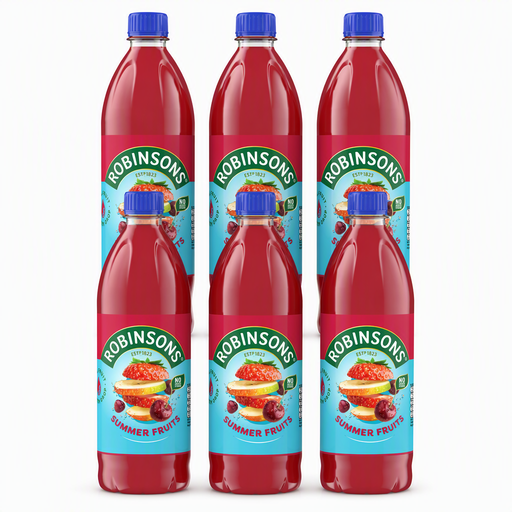
Robinsons No Added Sugar Summer Fruits Squash 6 × 1L
The six-bottle format may suit households planning squash for several school weeks. Its listed ingredients include aspartame, saccharin and sulphites; check the current bottle for its dilution directions and prepared-drink sugars before comparing servings.
View on Joybuy
 No image available
Ribena No Added Sugar Pineapple and Passion Fruit Squash 850ml
A pineapple-and-passion-fruit option for shoppers who prefer those flavours. Its listed ingredients include aspartame, acesulfame K and sulphites, and it is described as a source of phenylalanine; check the bottle’s directions and prepared-drink nutrition before comparing it with other concentrates.
View on Joybuy
Questions about squash for school
Does ‘no added sugar’ mean squash is sugar-free?
No. A no-added-sugar claim does not rule out naturally occurring sugars. Check the sugars figure for the squash as prepared rather than assuming it is zero.
Can no-added-sugar squash be a regular school drink?
For children aged 5 and over, NHS Healthier Together says well-diluted sugar-free squash is okay, while recommending water and milk as regular drinks. Follow the chosen squash’s mixing instructions and check the school’s drinks policy for bottles brought from home.
What about squash for a child aged 4 or younger?
The NHS advises avoiding drinks containing sugar or sweeteners for children aged 4 or younger. Many no-added-sugar squashes list sweeteners, so check the exact product’s ingredients rather than relying on its front label.
How do I compare concentrated squash bottles?
Compare nutrition for the drink prepared according to each bottle’s instructions, using the same serving size where possible. Then check the dilution ratio and stated serving yield; bottle volume alone does not show how many glasses it makes.
Do school-food rules cover a drink brought from home?
Department for Education guidance on school food sets out requirements for food and drink provided in state-funded schools in England; it is not a UK-wide rule for a child’s packed bottle. Check the individual school’s current policy for drinks brought from home.


