Households making fizzy drinks at home
If you are shopping to a budget, compare the bottle size with its dilution directions. You will also need plain sparkling water to make the drink.


For a budget shop, compare how far each squash goes when diluted and remember that you will need sparkling water separately; bottle size alone does not settle the choice. A no-added-sugar squash suits shoppers who accept sweeteners, while a sugar-containing option such as Rocks Orange has a different ingredient profile. Check the individual label and mixing directions before deciding.
Mixing squash with plain sparkling water lets you choose the concentrate and adjust the flavour when you make the drink. The most useful checks differ according to who will drink it and how often.
If you are shopping to a budget, compare the bottle size with its dilution directions. You will also need plain sparkling water to make the drink.
No-added-sugar and sugar-containing squashes call for different label checks. Read the sweetener list, any ingredient warnings and the nutrition information for the diluted drink, particularly when choosing for children.
Mixing at home gives you control over the amount of squash and sparkling water. Marks & Spencer suggests chilled sparkling water as a mixer; follow the directions on the squash you choose.
Start with the on-pack mixing directions, then compare ingredients and the amount your household is likely to use after opening. A concentrate bottle and a ready-to-drink fizzy beverage are different formats, so compare the drink you would actually prepare.
| Priority | What to check | Your needs |
|---|---|---|
| Prepared-drink yield | Read the bottle size and the product’s dilution directions. Include the sparkling water needed when comparing homemade drinks with ready-to-drink options. | I want to know how many drinks a bottle can make, rather than judging it by its size alone. |
| Ingredients | Check whether the squash contains sugar, sweeteners or ingredients you avoid. Compare nutrition information for the drink as directed to be diluted, not just the concentrate. | A no-added-sugar label does not answer my question about sweeteners; I want to read the full ingredient and warning panels. |
| Mixing and serving | Follow the product’s stated mixing ratio and check its serving directions. Marks & Spencer suggests sparkling water for squash, while Waitrose & Partners explicitly lists still or sparkling water for Rocks Orange Squash. | I would like a fizzy drink made at home, with flavour strength adjusted within the bottle’s directions. |
| After opening | Check refrigeration instructions and the use-within period on the bottle. Consider whether your household will finish it in that time. | If we only make sparkling squash occasionally, I would rather choose a bottle size we can use as directed. |
Concentrates can have different mixing directions. Bottle volume alone does not tell you how much prepared squash it will make.
Check the stated squash-to-water ratio on each bottle, and account for the sparkling water you plan to use.
Waitrose & Partners lists aspartame and acesulfame K for Ribena Blackcurrant Squash No Added Sugar. GOV.UK identifies a phenylalanine warning associated with aspartame.
Read the current product’s ingredients and warnings if a sweetener or another ingredient matters to your household.
Oxford Health NHS Foundation Trust identifies fizzy and fruit-flavoured drinks as acidic. Healthier Together NHS notes that water does not cause tooth decay.
When choosing routine drinks for children, keep that distinction in mind rather than assuming the sparkling-water mixer makes fruit squash equivalent to plain water.
After-opening storage directions affect how practical a bottle is for a household that makes squash infrequently.
Read the refrigeration and use-within instructions, then choose a size that fits how often you expect to make it.
These examples show different squash formats and mixing guidance; a retailer reference is not a claim that every product in its range has the same ingredients or directions.
A branded squash reference for shoppers considering no-added-sugar and concentrated fruit-flavour options.
Tesco Groceries lists Stockwell & Co Apple & Blackcurrant No Added Sugar Squash in a 750ml bottle.
Sainsbury’s lists Stamford Street Co Double Strength Orange Squash in a 750ml bottle.
Waitrose & Partners lists both Essential No Added Sugar squash and Rocks Orange Squash.
Marks & Spencer suggests mixing squash with chilled sparkling water and also lists sparkling-water options.
These Joybuy options are squash concentrates for making drinks at home. Compare each bottle’s label and mixing directions when deciding what to use with sparkling water.
 Image unavailable
An orange squash concentrate for shoppers considering a no-added-sugar formulation. Check the pack for its mixing ratio, ingredients and after-opening directions before choosing it for homemade sparkling squash.
 Image unavailable
A 1.5L blackcurrant concentrate for households comparing no-added-sugar bottles. Read this bottle’s sweetener list, mixing ratio and after-opening instructions before deciding whether the size suits your use.
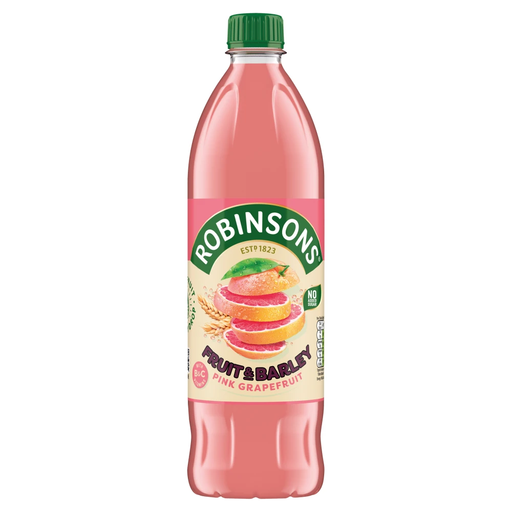 Image unavailable
A pink grapefruit Fruit & Barley variant for shoppers who prefer that flavour to orange or blackcurrant. Check its full ingredients, serving directions and storage instructions on the pack.
 Image unavailable
An 850ml pineapple and passion fruit concentrate for shoppers comparing no-added-sugar flavours and bottle sizes. Read its current ingredients and dilution directions before mixing a drink.
Yes. Marks & Spencer suggests chilled sparkling water for squash, and Waitrose & Partners explicitly allows still or sparkling water for Rocks Orange Squash. Follow your chosen bottle’s mixing directions, as ratios differ.
No. The Ribena Blackcurrant Squash No Added Sugar listing at Waitrose & Partners includes aspartame and acesulfame K. Check the ingredients and any warnings on the bottle you are buying.
Read the current bottle’s ingredient and warning panels before buying. GOV.UK identifies “contains a source of phenylalanine” as the warning associated with aspartame; the Waitrose & Partners listing for Ribena Blackcurrant Squash No Added Sugar provides an example of a product with that warning.
No. Oxford Health NHS Foundation Trust identifies fizzy and fruit-flavoured drinks as acidic, while Healthier Together NHS notes that water does not cause tooth decay. Consider that distinction when choosing children’s routine drinks, and follow the squash bottle’s serving directions.
Check the bottle’s refrigeration and use-within instructions, then consider how much your household will prepare during that period. Do not assume a larger bottle will be practical if you are unlikely to finish it as directed.