Runners who prefer flavoured water
If you use squash for everyday drinking or easier runs, the key distinction is whether you want flavour or expect the drink to supply carbohydrate.


No-added-sugar squash can flavour water for everyday drinking or easier runs, but a prepared drink with negligible carbohydrate should not count as long-run fuel. For hard exercise lasting longer than an hour, the British Dietetic Association says carbohydrate during exercise can enhance performance; if you want a drink to supply it, check carbohydrate and sodium on the prepared-drink label. High-juice squash may supply carbohydrate, but sweetness or fruit content alone does not establish that it serves the same purpose as a carbohydrate-electrolyte sports drink.
If you use squash for everyday drinking or easier runs, the key distinction is whether you want flavour or expect the drink to supply carbohydrate.
For demanding sessions lasting longer than an hour, compare the carbohydrate in the amount you plan to drink. If you want a carbohydrate-electrolyte drink, check its stated sodium content too.
No-added-sugar does not mean free of sweeteners or sulphites. Check the current pack if either matters to you; the Robinsons Orange No Added Sugar listing from Waitrose & Partners includes both.
Decide whether the drink is for flavour or planned fuel, then compare nutrition on the basis you will actually drink it: ready-made or diluted as directed.
Consider it: For flavoured water when you are not relying on the drink for carbohydrate.
Trade-off: Waitrose & Partners lists negligible carbohydrate in Robinsons Orange No Added Sugar when diluted as directed, so it cannot fulfil a drink-based fuelling plan.
Consider it: When you want some carbohydrate from a squash and can measure the prepared drink.
Trade-off: Tesco lists carbohydrate for its High Juice Orange, but sweetness and carbohydrate alone do not establish its sodium content or make it interchangeable with a sports drink.
Consider it: When a demanding endurance session calls for planned carbohydrate from your drink alongside fluid.
Trade-off: It supplies carbohydrate you may not be seeking for routine hydration; practise the particular drink during training rather than assuming it will suit you.
| Priority | What to check | Your needs |
|---|---|---|
| Carbohydrate | Read carbohydrate per 100 ml of the drink as prepared. Work out the amount in the serving you intend to drink; do not use concentrate values as though they describe a diluted bottle. | For a hard run lasting longer than an hour, I want to know whether my drink contributes to my planned fuel. The British Dietetic Association says carbohydrate during exercise can enhance performance in that situation. |
| Sodium | If you want a carbohydrate-electrolyte drink, look for sodium stated per 100 ml as well as carbohydrate. The Australian Institute of Sport describes sports drinks with 4–8 g carbohydrate and 23–69 mg sodium per 100 ml; compare values only on the same basis. | For a prolonged session, I want to distinguish a drink with stated carbohydrate and sodium from one that is simply sweet or fruit-flavoured. |
| Flavour without fuel | Check the prepared-drink carbohydrate and sugars, not just a no-added-sugar claim. Waitrose & Partners lists negligible amounts of both for diluted Robinsons Orange No Added Sugar. | On an easier run or during the day, I may want flavoured water without counting it towards my carbohydrate plan. |
| Dilution and ingredients | Follow the pack’s mixing ratio before comparing nutrition. Read the current ingredients and allergen information for sweeteners or sulphites; check the amount and timing in training. | I need a drink I can prepare consistently and whose ingredients and serving size suit my own preferences and tolerances. |
A drink with negligible carbohydrate will not supply the carbohydrate you expected from a fuelling drink. Waitrose & Partners lists negligible carbohydrate for Robinsons Orange No Added Sugar when diluted as directed.
For demanding sessions, calculate carbohydrate from the prepared drink and plan any other fuel separately.
Tesco lists 4.6 g carbohydrate per 100 ml of prepared High Juice Orange, but sweetness does not tell you how much sodium a drink contains.
If you need a carbohydrate-electrolyte drink, compare both values per 100 ml on the current label rather than relying on fruit content.
Changing the amount of concentrate changes what is in each bottle of prepared squash. Waitrose & Partners and Tesco give a ratio of one part squash to four parts water for the respective Robinsons and Tesco examples.
Mix according to your bottle’s instructions before calculating carbohydrate or trying it on a run.
The Waitrose & Partners Robinsons listing includes sweeteners and sodium metabisulphite; Marks & Spencer lists sucralose and sulphites in its Orange Squash.
If these ingredients matter to you, read the pack you are buying rather than relying on a previous bottle’s recipe.
These examples illustrate differences between particular squash products; a brand or retailer name alone cannot establish the nutrition of another drink in its range.
Waitrose & Partners lists Robinsons Orange No Added Sugar as a concentrate mixed one part to four parts water.
Tesco High Juice Orange is a carbohydrate-containing squash concentrate, not a stated substitute for every sports-drink use.
Marks & Spencer lists its Orange Squash as a double-strength, no-added-sugar option.
Waitrose & Partners provides the product information used here for Robinsons Orange No Added Sugar.
These options include ready-to-drink sports drinks for runners considering drink-based fuel and a no-added-sugar squash for flavouring water. Choose by the role you want the drink to play, then check the current pack.
 No image available
A ready-to-drink alternative to squash if you are considering drink-based fuel. Compare carbohydrate and sodium per 100 ml on the current label, and try the drink during training before relying on it for a long run.
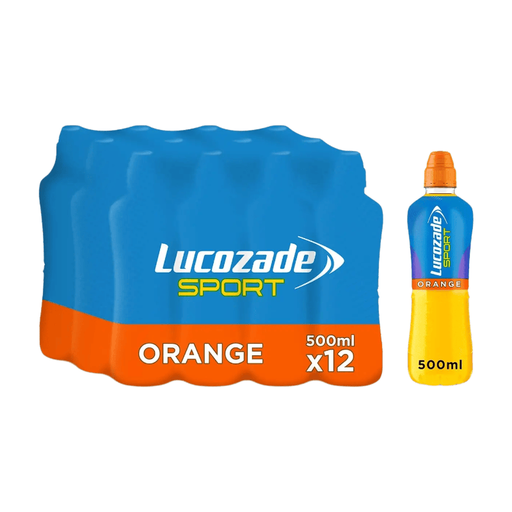 No image available
A sports-drink option for a training plan that includes drink-based carbohydrate. Check the current pack’s carbohydrate and sodium values if you need a direct per-100-ml comparison, and practise with the drink in training.
 No image available
For flavouring water rather than supplying planned carbohydrate on a demanding run. Waitrose & Partners lists negligible carbohydrate in the matching diluted Robinsons Orange No Added Sugar drink. Check this bottle’s dilution instructions, prepared-drink nutrition and ingredients before use.
Not if the prepared drink contains negligible carbohydrate. Waitrose & Partners describes diluted Robinsons Orange No Added Sugar that way, so treat it as flavoured fluid rather than your carbohydrate plan. The British Dietetic Association says carbohydrate during exercise can enhance performance when exercising hard for longer than an hour.
Not automatically. Tesco lists 4.6 g carbohydrate per 100 ml of its High Juice Orange when diluted as instructed, but that figure alone does not establish sodium content. If you want a carbohydrate-electrolyte drink, check both values on a comparable per-100-ml basis.
Check carbohydrate per 100 ml and in the amount you intend to drink, plus sodium if it is part of your drink plan. For squash, follow the dilution instructions before calculating intake. Read the current ingredients and allergen information if sweeteners or sulphites matter to you.
Try the particular drink, serving size and timing during a comparable training session first. A nutrition label can help you plan what the drink supplies, but it cannot tell you how drinking it during a run will suit you.