Hosts serving children and adults
Check the prepared drink, sweeteners and current label before putting out squash for guests of different ages. Product-specific age guidance matters as well as the flavour.


For a mixed-age festival-food gathering, no-added-sugar squash is a useful starting point, but compare nutrition for the prepared drink and check the ingredients before serving. A larger or stronger concentrate can suit repeated refills if you follow its dilution and storage instructions; choose a high-juice option when stated fruit content matters to you, without assuming it has the same sugar content as another squash.
Check the prepared drink, sweeteners and current label before putting out squash for guests of different ages. Product-specific age guidance matters as well as the flavour.
Compare bottle size and dilution instructions to estimate how much drink a pack will make, then consider whether an opened bottle will be used within its stated storage period.
Use the stated fruit content to compare formulations, but read the prepared-drink nutrition and ingredients for the exact flavour. High-juice and no-added-sugar describe different aspects of a squash.
Start with the drink as it will be served, then check the recipe and how much concentrate the gathering is likely to use.
| Priority | What to check | Your needs |
|---|---|---|
| Prepared-drink nutrition | Compare sugars and energy for the prepared drink using the same serving basis. Check the label’s dilution ratio rather than comparing concentrate values with diluted values. | I want to know what is in the glass, not rely on a no-added-sugar claim alone. In a 2024 Food Standards Agency and Ipsos Northern Ireland survey of 611 people, 49% said they actively used traffic-light labels when shopping for food; that measures general food shopping, not squash choices. |
| Fruit and sweeteners | Read the fruit percentage and full ingredient list for the exact flavour. Check the prepared-drink sugars separately: fruit content does not establish that figure. | Fruit content may matter more to me than pack strength, but I still want to know which sweeteners and other ingredients the drink contains. |
| Guest suitability | Check the current bottle for allergens and ingredient warnings. Read any product-specific guidance about serving it to young children. | Before I set out a shared jug, I need to know whether the recipe suits the people who will drink it. |
| Servings and storage | Use each bottle’s size and stated dilution ratio to estimate prepared volume. Check its after-opening storage instructions before choosing a larger pack. | If guests will refill their glasses, I need enough squash without making it stronger than instructed or opening more than we can use. |
The wording does not describe every ingredient or, by itself, give the sugars and energy in a prepared glass.
Compare prepared-drink nutrition and read the ingredient list for each shortlisted flavour.
Robinsons Orange No Added Sugar specifies one part concentrate to four parts water; other concentrates may have different instructions. Bottle volume alone is therefore not a like-for-like serving comparison.
Estimate glasses using each product’s own ratio, and compare nutrition on its stated prepared-drink basis.
Pouring more concentrate than instructed can use up a bottle sooner and produce a stronger drink than intended.
The Robinsons Orange No Added Sugar and M&S Orange examples list sulphite-containing ingredients. Guests may need to check the exact drink being served.
Keep the current bottle available to inspect, and provide another drink where the squash does not suit a guest’s needs.
A larger pack may be practical for refills but less useful if much of it remains after the gathering.
Estimate servings before buying and read the exact bottle’s storage guidance. The Sainsbury’s listing for Robinsons Orange No Added Sugar advises consumption within four weeks of opening.
These examples illustrate different labels and pack formats; details for one flavour should not be assumed for an entire range.
Its no-added-sugar squash appears in several formats. The Orange No Added Sugar 1L listing provides an example with prepared-drink nutrition and dilution instructions.
Tesco lists own-label 1.5L quadruple-strength no-added-sugar squash, including Cherries & Berries.
M&S lists both a double-strength Orange Squash and a Lemon and Lime High Juice squash with stated fruit content.
Waitrose lists own-label no-added-sugar high-juice flavours alongside other squash brands and pack formats.
Its Robinsons Orange No Added Sugar 1L listing is a product-specific reference for planning prepared glasses.
These Joybuy options are no-added-sugar squash in single bottles or a multipack. Compare their current labels if you need a particular prepared-drink nutrition profile, ingredient list or number of servings.
 No image available
For planning a shared jug, Sainsbury’s lists 0g sugars and 3 kcal per 250ml prepared glass for this orange product when diluted one part concentrate to four parts water. Its ingredients include sweeteners and sodium metabisulphite. The product description says it is not suitable for children under 36 months; check the current bottle before serving.
 No image available
The 1.5L bottle is a format to consider when planning several rounds of drinks. Check its dilution instructions and prepared-drink nutrition when estimating servings. The product description says it is not recommended for children under 3 and lists sodium bisulphite; inspect the current label before serving.
 No image available
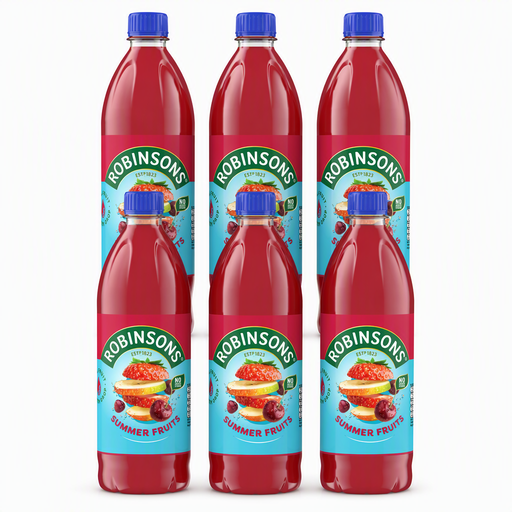
The six-bottle pack may suit a table expecting frequent refills. Check the pack’s dilution and after-opening instructions before estimating how many glasses it will make. Confirm the current prepared-drink nutrition on the bottles before comparing it with another squash, and check the ingredient list for sweeteners and sulphites.
 No image available
This 850ml bottle offers a pineapple and passion fruit flavour for a shared drinks table. Use the current bottle’s dilution instructions to plan servings and check prepared-drink nutrition before comparing it with other squash. Check the label for sulphites and the phenylalanine warning where these matter to guests.
 No image available
The 1L lemon squash offers a citrus flavour for the drinks table. Follow the current pack’s dilution guidance and use its prepared-drink nutrition for comparisons. Check the ingredient label for sweeteners and the phenylalanine warning if relevant to a guest.
No. Read the prepared-drink nutrition and ingredients for the exact product. Sainsbury’s lists 0g sugars per 250ml prepared glass for Robinsons Orange No Added Sugar, but its recipe contains sweeteners; that example should not be applied to every squash.
Use each product’s dilution instructions to estimate prepared volume, then compare nutrition on a consistent prepared-drink basis. A larger bottle or stronger concentrate does not, on its own, tell you the nutrition in a glass.
Read the current ingredients and allergen information for every flavour and pack, and keep the bottle available for guests to inspect. The Robinsons Orange No Added Sugar and M&S Orange examples list sulphite-containing ingredients; do not assume another flavour has the same recipe.
Use it to shortlist a drink, then check the physical bottle before serving. M&S states that its ingredients, nutrition and allergen information can change as products are redeveloped.
Follow the storage instructions for that product. The Sainsbury’s listing for Robinsons Orange No Added Sugar 1L advises consumption within four weeks of opening; do not apply that period to other squash bottles.