Parents changing a sugary lunchbox drink
If flavour matters to your child, compare a no-added-sugar squash with their current drink using sugars per prepared serving. A front-of-pack claim does not give the whole prepared-drink figure.


Choose water if your child is happy to drink it. If you want a flavoured alternative to a sugary drink, no-added-sugar squash is an option, but compare sugars in the drink after dilution and check its sweeteners and allergens. A higher-juice version may suit a preference for fruit-juice content; its fruit percentage alone does not tell you how much sugar the prepared drink contains.
The useful comparison is between drinks your child will have at school, prepared as directed and permitted by the school.
If flavour matters to your child, compare a no-added-sugar squash with their current drink using sugars per prepared serving. A front-of-pack claim does not give the whole prepared-drink figure.
Standard and higher-juice squashes can differ in fruit content and sweeteners. Read the ingredients alongside the nutrition panel if either affects your choice.
Confirm whether the school permits flavoured drinks in packed lunches, then check the current bottle for ingredients relevant to your child. The reviewed Vimto 2L listing, for example, declares barley.
Start with water or the type of squash your child is likely to drink. For squash, compare the prepared drink rather than judging a concentrate by its front label or fruit percentage.
Choose it when: Your child will drink plain water and you want a drink without sugar or sweeteners.
Consider: It has no fruit flavour, which may matter to a child accustomed to flavoured drinks.
Choose it when: A flavoured drink is the practical alternative to a sugary one.
Consider: No added sugar does not mean unsweetened; check the sweeteners and prepared-drink sugars.
Choose it when: The stated fruit-juice percentage is important to your choice.
Consider: More juice does not, by itself, establish a lower sugar figure after dilution.
| Priority | What to check | Your needs |
|---|---|---|
| Prepared-drink sugars | Check the ‘of which sugars’ figure per diluted serving and the labelled mixing ratio. Compare drinks on the same prepared basis. | I want a flavoured alternative to a sugary drink, but need to know what will be in the bottle my child takes to school. |
| Sweeteners and fruit content | Read the full ingredients list and stated fruit-juice percentage. Check diluted sugars separately: ‘no added sugar’ does not mean no total sugars or no sweeteners. | Fruit content matters to me, or I would rather avoid particular sweeteners. The front-of-pack claim alone will not settle either question. |
| Water or flavoured squash | Consider whether your child will drink plain water. If choosing squash, check its ingredients rather than treating it as equivalent to water. | Plain water works for my child, or flavour makes a drink more acceptable in their lunchbox. |
| School rules and allergens | Check the school’s current packed-lunch drink policy and the exact bottle’s ingredients and allergen declaration. | I need a drink the school permits and ingredients that are suitable for my child. |
A no-added-sugar squash can still contain sugars from fruit ingredients and can use non-sugar sweeteners. The claim does not answer every ingredient preference.
Check ‘of which sugars’ for the prepared drink and read the complete ingredients list.
A value for concentrate per 100ml is not directly comparable with another product’s value per prepared glass.
Follow each bottle’s dilution directions and compare figures for the diluted drinks on a like-for-like basis.
Water has no sweeteners. Some no-added-sugar squashes do contain them, even when their prepared-drink sugar figure is small.
Choose between water and squash on the basis of your child’s drink preferences and the ingredients you want to include, not an assumed weight-control benefit. The World Health Organization’s 2023 guidance advises against using non-sugar sweeteners for weight control.
England’s school-food regulations concern food and drink provided by schools; they do not establish what every school permits in a lunch brought from home. Product recipes can also include allergens.
Check the individual school’s packed-lunch policy and the current bottle label before packing a flavoured drink.
Compare exact bottles rather than assuming that every flavour or format from a brand has the same diluted nutrition or ingredients.
Its no-added-sugar Orange and Summer Fruits squashes provide examples of fruit-flavoured concentrates to compare after dilution.
The reviewed no-added-sugar Real Fruit Squash 2L is a fruit-flavoured option listing vitamins C and D.
Its listings include no-added-sugar squash with differing stated fruit content.
Its own-label listings include no-added-sugar high-juice and fruit-and-barley squash.
Its no-added-sugar listings provide further high-juice flavours to compare.
These Joybuy options are no-added-sugar fruit-flavoured concentrates. Check each bottle’s prepared-drink nutrition, ingredients and dilution directions before choosing one for a school packed lunch.
 No image available
An orange squash to consider if your child prefers a flavoured drink. Tesco Groceries lists 0g sugars per 250ml diluted serving for this product and directs one part concentrate to four parts water. Its ingredients include acesulfame K and sucralose; check the current bottle for allergens and follow its dilution instructions.
 No image available
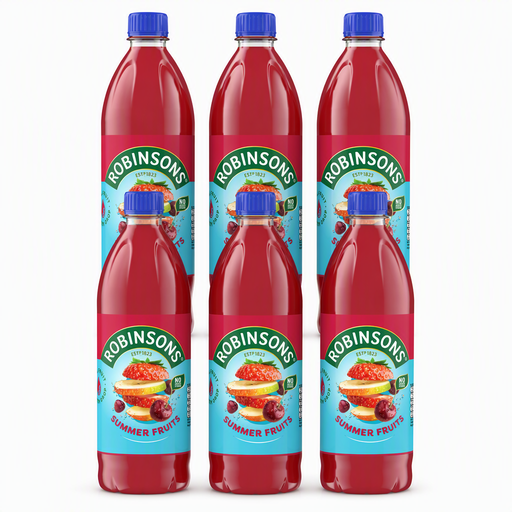
A six-bottle option if you regularly prepare summer-fruits squash for packed lunches. Check the current bottles’ dilution directions, prepared-drink sugars, sweeteners and allergen declaration before comparing this pack with a single bottle.
 No image available
A single-bottle summer-fruits option. Read the current label for its sweeteners, allergens, dilution ratio and sugars in the prepared drink before choosing it for a lunchbox.
 No image available
A blackcurrant option if that flavour appeals to your child. Check whether the nutrition figures on the current bottle refer to concentrate or the prepared drink, and follow its dilution directions. Review the ingredients and age guidance on the label before packing it.
 No image available
A lemon-flavoured concentrate for families considering a no-added-sugar squash. Check the current bottle’s sweetener ingredients, dilution instructions and prepared-drink nutrition before comparing it with other flavours.
It can be a lower-sugar flavoured alternative, provided the prepared-drink figures support the comparison. The NHS advises cutting down free sugars, while Tesco Groceries lists 0g sugars per 250ml diluted serving for the reviewed Robinsons Orange squash. That product uses sweeteners, so also check its ingredients; plain water remains an option without sugar or sweeteners.
No. The claim does not establish zero total sugars or an absence of sweeteners. For example, Sainsbury’s lists 0.8g sugars per 250ml serving and names sucralose and acesulfame K for the reviewed Vimto No Added Sugar squash. Read both the nutrition panel and ingredients for the exact bottle.
Do not assume so: check your child’s school policy before packing it. England’s school-food regulations apply to food and drink provided by schools, while Southampton City Council’s packed-lunch guidance says there are no set national standards for lunches brought from home. Neither tells you what an individual school permits.
Follow the dilution directions on the current bottle rather than filling the lunchbox bottle with concentrate. Tesco Groceries directs one part Robinsons Orange concentrate to four parts water; use the prepared-drink nutrition figures when comparing it with another squash.
Check the complete ingredients and highlighted allergens on the exact bottle each time you buy it. The reviewed Vimto 2L Joybuy listing declares barley, while the reviewed Robinsons Orange product information identifies sulphites. Do not assume another flavour or pack has the same ingredients.