If you want flavour in water after ordinary exercise, no-added-sugar squash is an option, although the NHS says water is the best way to replace fluids lost through physical activity. When quick recovery is needed before another demanding session, the British Dietetic Association advises starting carbohydrate-rich foods or fluids promptly; do not rely on squash alone for refuelling. Compare nutrition for the diluted drink, follow the mixing instructions and check ingredients rather than treating “no added sugar” or fruit content as a recovery claim.
Who is choosing squash after exercise?
The useful choice depends on whether the drink is mainly for fluid, or whether you also need to refuel before exercising again.
Gym-goers who prefer flavoured water
If plain water is unappealing after a workout, a well-diluted squash can add flavour. The NHS recommends water for replacing fluid lost through activity, so choose a squash for how you want to drink it, not as a necessary recovery product.
People training again soon
When demanding sessions are close together, hydration and refuelling are separate decisions. The British Dietetic Association advises starting carbohydrate-rich foods or fluids promptly when quick recovery is required; the reviewed no-added-sugar squashes are not substantial carbohydrate or protein options.
Shoppers comparing squash labels
If you are choosing between no-added-sugar, high-juice and more concentrated squash, compare the drink as prepared. Check the serving size, dilution ratio, sugars, sweeteners and allergen statement rather than judging by bottle size or fruit percentage alone.
What matters when choosing a post-workout drink?
No-added-sugar squash
Choose it when: You want to flavour water after routine exercise and are not expecting the drink to provide refuelling carbohydrate.
Bear in mind: The reviewed prepared servings provide little or no carbohydrate and protein; water remains the NHS-preferred way to replace lost fluid.
Food or fluid for refuelling
Choose it when: Quick recovery matters because another demanding bout of exercise follows soon, as highlighted by the British Dietetic Association.
Bear in mind: Squash can still flavour your water, but it should not be counted as the carbohydrate-rich part of that choice.
Higher-fruit squash
Choose it when: Fruit content and flavour are important to you; Sainsbury's lists 50% fruit juice in its reviewed High Juice Orange squash.
Bear in mind: Fruit percentage alone does not establish that the prepared drink meets refuelling needs.
| Priority | What to check | Your needs |
|---|
| Replacing fluid |
Check the dilution instructions and decide whether you prefer water plain or flavoured. The NHS recommends water for replacing fluid lost through physical activity. |
I want a drink I will have after sweating, without assuming that squash supplies recovery fuel. |
| Refuelling |
Consider the time until your next demanding session and carbohydrate in the food or fluid you plan to have. The British Dietetic Association advises prompt carbohydrate-rich options when quick recovery is required. |
Training again soon means I need to plan what I will eat or drink for refuelling as well as for hydration. |
| Prepared drink |
Compare sugars and energy for stated diluted servings of similar sizes. Follow each product’s mixing ratio; concentrate values and bottle sizes are not equivalent to prepared-glass values. |
I want to know what ends up in my glass, particularly when choosing between strengths and serving sizes. |
| Ingredients |
Read the current ingredient and allergen statements for sweeteners and sulphites. Check the exact flavour and formulation you intend to buy. |
Sweeteners or particular ingredients matter to me, so a “no added sugar” label is not my only check. |
| Fruit content |
Compare the stated fruit percentage alongside sugars per prepared serving. Do not use fruit percentage alone as a measure of carbohydrate or protein for recovery. |
I may prefer a higher-fruit style for its flavour, while making a separate decision about refuelling. |
Buying mistakes to avoid
-
Treating no-added-sugar squash as a complete recovery drink
The reviewed no-added-sugar squashes provide little or no carbohydrate and protein per prepared serving. The British Dietetic Association advises carbohydrate-rich foods or fluids promptly when quick recovery between demanding sessions is needed.
Use squash to flavour water if you like it, and plan a carbohydrate-rich food or fluid separately when you need to refuel quickly.
-
Comparing bottles instead of prepared drinks
The reviewed mixing instructions range from one part squash to four parts water to one part squash to 19 parts water. Bottle volume and concentrate nutrition therefore do not give a like-for-like prepared-glass comparison.
Follow each label’s dilution instruction, then compare nutrition for the prepared drink and note the stated serving size.
-
Overlooking ingredients behind a no-added-sugar label
The reviewed products can still contain sweeteners and sulphite-containing ingredients. Those details matter if you have a relevant allergy or ingredient preference.
Check the current pack’s ingredients and allergen statement, especially when switching flavours or formulations.
-
Using fruit percentage as a recovery measure
A higher fruit percentage does not, by itself, show that a diluted squash provides enough carbohydrate for prompt refuelling or meaningful protein.
Choose a higher-fruit squash if you prefer that product style, but assess food or fluids for refuelling separately when another demanding session is close.
Brand and own-label examples
These examples describe particular reviewed products, not every squash made by each brand or retailer.
Robinsons
Sainsbury's lists Robinsons Orange No Added Sugar 1L as a concentrate mixed one part squash to four parts water.
- The listed 250ml diluted serving has 0g sugars and 3kcal.
- This Orange product contains sweeteners and sodium metabisulphite; check other flavours separately.
Tesco
Tesco Quadruple Strength Orange Squash No Added Sugar 750ml is a more concentrated option with a one-to-19 mixing instruction.
- Tesco lists 0.5g sugars per 300ml prepared glass and 50 servings per bottle.
- It contains sucralose, acesulfame K and sodium metabisulphite; compare its 300ml serving on an appropriate basis.
Sainsbury's
Sainsbury's High Juice Orange Squash No Added Sugar 1L lists 50% fruit juice and a one-to-four dilution instruction.
- The stated 250ml prepared serving contains 2.4g sugars.
- It contains sweeteners and sodium metabisulphite; higher fruit content does not make it a complete recovery option.
M&S
M&S describes its no-added-sugar Orange Squash as double strength and made with 20% fruit.
- The product description states that it has no artificial colours or flavourings.
- Its stated sugars value is per 100g, not a comparable prepared glass; check the current pack for mixing and ingredient details.
Waitrose
Waitrose Essential No Added Sugar Summer Fruits Squash 1.5L has a suggested one-to-nine dilution ratio.
- Waitrose lists 0.5g sugars per 250ml serving and 60 servings per bottle.
- It contains sweeteners and sodium metabisulphite; check the current pack if ingredients matter to you.
Joybuy squash options for flavouring water
These no-added-sugar concentrates are options for flavouring water after routine exercise. If you need to refuel before another demanding session, make that a separate food or drink choice.
 No image available
Robinsons Orange No Added Sugar Squash 1L
An orange concentrate for flavouring water after routine exercise, rather than for carbohydrate refuelling. The stated 250ml diluted serving has 3kcal and negligible carbohydrate, sugars and protein; mix one part squash with four parts water. Contains sweeteners and sulphites.
View on Joybuy
 No image available
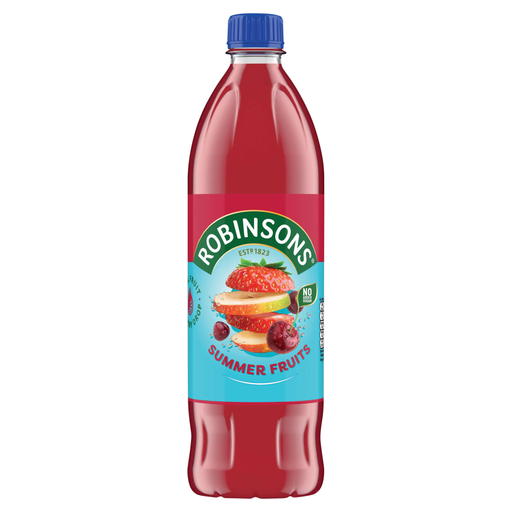
Robinsons Summer Fruits No Added Sugar Squash 1L
A summer-fruit concentrate to dilute when you want flavour in water. It lists 10% fruit juices, sweeteners and sulphites. Check the pack’s mixing ratio and prepared-drink nutrition before comparing it with another squash.
View on Joybuy
 No image available
Ribena Blackcurrant No Added Sugar Concentrate 1.5L
A blackcurrant option with a stated instruction to mix one part squash with at least four parts water. It lists 18% blackcurrant juice from concentrate, sweeteners and sodium bisulphite. Check nutrition for the prepared drink before comparing sugars or energy with other bottles.
View on Joybuy
 No image available
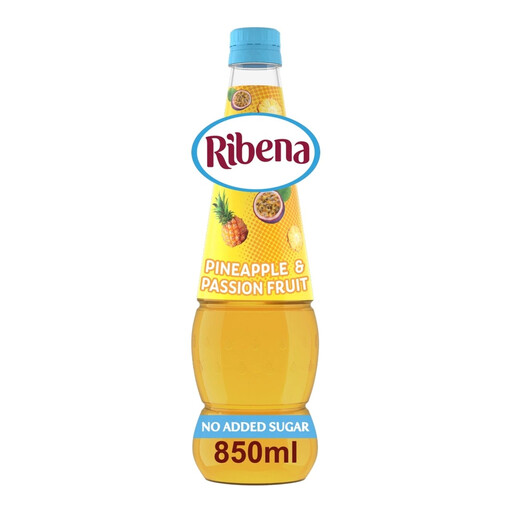
Ribena Pineapple and Passion Fruit No Added Sugar Squash 850ml
A pineapple and passion-fruit squash intended for dilution with water. It lists 10% fruit juice; its stated nutrition is for the undiluted concentrate, so check the mixing ratio and prepared-serving values for a fair comparison. Contains sweeteners, sulphites and a source of phenylalanine.
View on Joybuy
 No image available
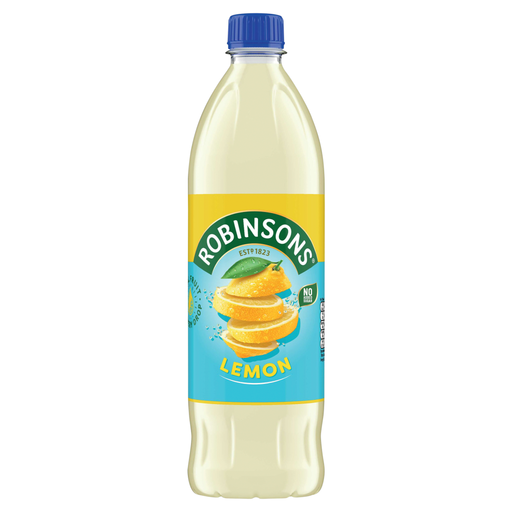
Robinsons Real Fruit Lemon Juice No Added Sugar Squash 1L
A lemon concentrate to dilute if you prefer citrus flavour in water. It lists 10% lemon juice from concentrate, sweeteners and a source of phenylalanine. The product descriptions give different calorie figures and serving bases, so check the current pack’s prepared-drink nutrition and mixing instructions before comparing it.
View on Joybuy
Questions about squash after exercise
Is no-added-sugar squash enough after a workout?
It can flavour water, but do not rely on it alone when you need to refuel quickly for another demanding session. The reviewed no-added-sugar squashes provide little or no carbohydrate and protein per prepared serving, while the British Dietetic Association advises starting carbohydrate-rich foods or fluids promptly when quick recovery is required.
How can I compare sugars in different squashes?
Use the sugars value for the diluted drink and account for serving size. The reviewed products have different mixing instructions: Tesco specifies one part squash to 19 parts water, Waitrose suggests one to nine, and the reviewed Robinsons Orange and Sainsbury's High Juice Orange products specify one to four.
Does more fruit make a squash better for recovery?
Fruit percentage alone does not establish whether a squash meets refuelling needs. Sainsbury's lists 50% fruit juice and 2.4g sugars per 250ml prepared serving for its reviewed High Juice Orange squash; check prepared-drink nutrition and make any carbohydrate-rich refuelling choice separately.
Which ingredients should I check before buying?
Read the current pack for sweeteners and allergens, particularly sulphites if they are relevant to you. The reviewed Tesco, Sainsbury's, Robinsons and Waitrose products list sweeteners and sulphite-containing ingredients or declarations; check the exact flavour and formulation you buy.


