Hosts looking for a lower-sugar soft drink
If you want a flavoured drink for a Bonfire Night table, compare sugars and energy for the prepared glass, then check how much water the concentrate needs.


For a Bonfire Night drink with less sugar than sugary squash, start with a no-added-sugar option and compare the nutrition information for the drink as diluted. If fruit-juice content matters more, check the prepared serving as well: the reviewed high-juice orange squash has more sugars and energy per 250ml than the reviewed Robinsons Orange no-added-sugar squash. A double-strength bottle can make repeated servings, but its stated serving count depends on following the mixing ratio.
If you want a flavoured drink for a Bonfire Night table, compare sugars and energy for the prepared glass, then check how much water the concentrate needs.
A high-juice label tells you something different from a no-added-sugar label. Check the fruit-juice percentage alongside sugars and energy per diluted serving.
Follow the exact bottle’s preparation and age guidance. Check its current ingredient and allergen information before serving someone with a relevant sensitivity.
Choose the type of drink you want, then compare labels on the same prepared-volume basis. Bottle size alone does not tell you how many drinks a concentrate will make.
| Priority | What to check | Your needs |
|---|---|---|
| Sugars and energy | Compare sugars and energy for the drink after dilution, using the same volume where possible. Waitrose & Partners lists Robinsons Orange No Added Sugar at 3kcal with negligible sugars per diluted 250ml; Sainsbury’s lists its High Juice Orange at 17kcal and 2.4g sugars per prepared 250ml. | I want a flavoured drink with a lower stated sugar figure per glass, so I’ll compare the prepared drink rather than rely on the front-of-pack wording. |
| Fruit-juice content | Read the juice percentage and the prepared-serving nutrition together. Sainsbury’s lists 50% fruit juice for its High Juice Orange squash, alongside 2.4g sugars per prepared 250ml. | Fruit-juice percentage matters to me, even if the prepared glass has more sugars than the reviewed Robinsons Orange no-added-sugar example. |
| Servings and dilution | Check the bottle’s stated serving count and concentrate-to-water ratio. Waitrose & Partners lists 70 servings for Robinsons Double Strength Orange when mixed one part concentrate to nine parts water. | I’m making drinks for several guests and want to mix a jug to the stated ratio instead of guessing each pour. |
| Ingredients and age guidance | Read the current ingredient and allergen statement, including any sweeteners or sulphites, and follow product-specific directions for children. Marks & Spencer states that its Apple & Elderflower High Juice is not suitable for babies. | Before serving guests, I need to check sensitivities and make sure the particular squash is prepared appropriately for the people drinking it. |
Products with that wording can still have different sugars and energy per prepared glass. Waitrose & Partners lists 3kcal per diluted 250ml for Robinsons Orange No Added Sugar; Sainsbury’s lists 17kcal and 2.4g sugars per prepared 250ml for its no-added-sugar High Juice Orange.
Compare the prepared-serving figures and fruit-juice percentage before deciding which distinction matters to you.
The stated number of servings assumes the specified dilution. Using more concentrate changes the drink and reduces the number of glasses the bottle makes.
Measure the concentrate and water for a jug using the ratio on that bottle.
No-added-sugar wording does not tell you whether a squash contains sweeteners or sulphites. The Food Standards Agency identifies sulphur dioxide and sulphites as an allergen concern and notes a higher risk of reaction for people with asthma.
Check the exact pack’s ingredient and allergen statement before serving anyone with a relevant sensitivity.
Its reviewed no-added-sugar Orange and Summer Fruits squashes offer different bottle formats for a gathering.
Its reviewed Robinsons and Ribena product listings provide details to consult when comparing named squashes.
Its High Juice Orange No Added Sugar is a named option for comparing fruit-juice content with prepared-drink nutrition.
Its Apple & Elderflower High Juice listing illustrates why age-specific preparation wording matters.
Its Essential No Added Sugar Summer Fruits listing gives a prepared-serving figure and serving count for comparison.
These no-added-sugar concentrates offer orange, summer-fruits, blackcurrant and lemon choices for a Bonfire Night gathering. Compare their pack formats, then check each bottle’s dilution and ingredient directions before serving.
 No image available
A single bottle for orange squash drinks. Waitrose & Partners lists 3kcal and negligible sugars per diluted 250ml for the named Robinsons Orange No Added Sugar squash; follow the directions on this bottle when preparing it. Check its ingredients for any guest with a relevant sensitivity.
 No image available
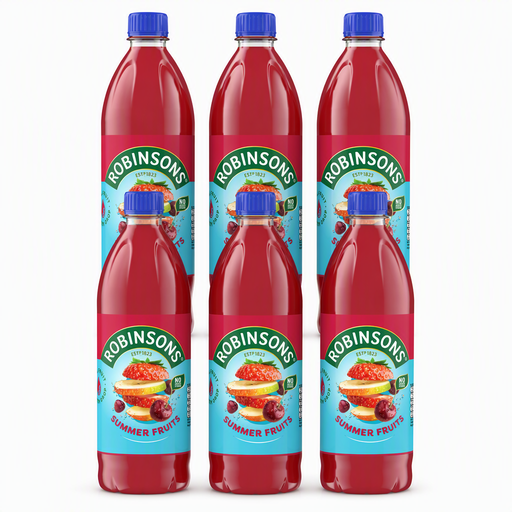
The six-bottle pack is an option when you plan to make drinks more than once during a gathering. Follow each bottle’s dilution directions and check the ingredient statement for guests with relevant sensitivities.
 No image available
This single bottle offers a summer-fruits alternative to the orange squash. The Joybuy product information states 2 calories per 100ml diluted; check the bottle’s mixing directions and prepared-drink sugars when comparing it with other flavours.
 No image available
A blackcurrant concentrate in a 1.5L bottle. Check the diluted-drink nutrition and mixing directions on the pack before comparing servings. Its product guidance says it is not recommended for children under three; check the current label before serving.
 No image available
A lemon-flavoured choice in a single 1L bottle. Use the current pack’s ingredient list, dilution directions and prepared-drink nutrition to compare it with the other flavours before making drinks for guests.
No. A no-added-sugar squash can still contain sugars from its ingredients, including fruit juice. Compare the sugars in the prepared drink and read the ingredient list rather than treating the two descriptions as interchangeable.
Compare sugars and energy for the drinks after dilution, using the same prepared volume where possible. Check each bottle’s mixing ratio too: it affects both what goes into a glass and how many servings the bottle makes.
Prepare squash according to the directions on its bottle rather than serving the concentrate as a finished drink. The required amount of water can differ between regular and double-strength products.
Follow the age and dilution directions for that exact product. Marks & Spencer states that its Apple & Elderflower High Juice is not suitable for babies and calls for extra water if given to older children; that wording should not be assumed to apply to every squash.
Check the exact pack’s allergen statement if a guest has a relevant sensitivity. The Food Standards Agency identifies sulphur dioxide and sulphites as an allergen concern and notes that people with asthma have a higher risk of reaction.