Who is choosing?

Households serving breakfast at home

If several people want a drink, decide whether you would rather dilute squash by the glass or open individual ready-to-drink cans. Compare the amount of drink you intend to serve, not just the number of containers.

Adults comparing drink labels

If sugar content matters to your choice, read the nutrition and ingredient information on the exact drink. A no-added-sugar description does not replace a check for sweeteners or tell you how a diluted squash compares with a ready-to-drink can.

Families serving children

The NHS identifies water and milk as the preferred drinks for children and advises avoiding sugary squash, fizzy drinks and juice drinks. Keep that guidance separate from advice about swapping sugary drinks for lower-sugar options as an adult.

What should you check?

Bottled squash

Choose it when: you want to prepare several drinks at home and adjust the dilution for each glass.

Bear in mind: it needs water and preparation; follow the bottle’s dilution instructions when comparing the prepared drink’s nutrition.

Ready-to-drink cans

Choose them when: individual drinks that need no preparation are what you intend to serve.

Bear in mind: a canned soft drink does not give you squash’s dilution control and needs its own label comparison.

Priority What to check Your needs
Drink type Look for “squash” or “cordial” and dilution instructions on a concentrate. Check whether cans are labelled as ready-to-drink soft drinks instead. I want squash to mix with water, rather than a can chosen because it has a similar fruit flavour.
Servings and volume Check the bottle volume and dilution directions, or the can size and pack count. Compare the amount of prepared drink you expect to serve. Will we make several glasses at the breakfast table, or would separate cans be more useful?
Nutrition label Compare sugar information on the drinks as served. Read the ingredients if a no-added-sugar or sugar-free description matters to you. I would like to compare the drinks themselves, not assume that a fruit flavour or a front-of-pack claim tells the whole story.
Children’s drinks Consider the NHS guidance that water and milk are the preferred drinks for children; it advises avoiding sugary squash, fizzy drinks and juice drinks. If children are joining breakfast, I want to choose their drink separately from any flavoured soft drinks the adults may have.
Can containers For a purchase in England or Northern Ireland on or after 1 October 2027, check the applicable deposit-return rules and the container’s material, capacity and eligibility. Scotland and Wales have separate arrangements. If I choose cans, I want to know what applies where I buy and return the containers. Defra’s guidance, dated 30 January 2025, describes the England and Northern Ireland scheme as scheduled to begin on 1 October 2027.

Buying pitfalls

  • Assuming fruit-flavoured cans are squash

    Tesco Groceries lists bottled squash separately from fizzy-drink-can multipacks. Picking by flavour alone can leave you with a ready-to-drink soft drink when you intended to buy concentrate.

    Check the product category and preparation directions before comparing pack sizes. A can count does not tell you how much diluted squash a bottle will make.

  • Stopping at a no-added-sugar claim

    The claim does not tell you everything about the ingredients or the prepared drink. Advice about lower-sugar swaps for adults should not be treated as a recommendation for children’s routine drinks.

    Read the exact product’s nutrition label and ingredients. For children, the NHS identifies water and milk as the preferred drinks.

  • Assuming one can-deposit rule covers the UK

    Defra’s guidance dated 30 January 2025 describes a scheme scheduled for England and Northern Ireland from 1 October 2027 for certain single-use aluminium, steel and PET drink containers from 150ml to 3 litres. Scotland and Wales have separate arrangements.

    When buying near or after that date, check the rules where you will buy and return the containers and whether the exact drink container qualifies.

Brand references for bottled squash

These retailer-listed squash ranges help illustrate the bottled-concentrate choice; they are separate from the ready-to-drink Joybuy products below.

Robinsons

Tesco Groceries lists Robinsons squash in bottle formats, including no-added-sugar and Fruit & Barley products.

  • Listings include 1L bottles and a 1.75L double-strength squash.
  • Check the ingredients and nutrition of the particular variant rather than treating “no added sugar” as a description of every Robinsons drink.

Tesco

Tesco Groceries lists its own-label quadruple-strength no-added-sugar squash in 750ml and 1.5L bottles.

  • The listed bottle sizes and strength descriptions give shoppers specific variants to compare.
  • Tesco’s separate fizzy-drink-can listings describe ready-to-drink soft drinks, not the same concentrated squash in cans.

Waitrose

Waitrose & Partners lists Essential no-added-sugar squash in 1.5L bottles and a no-added-sugar High Juice product in a 1L bottle.

  • The listed bottle formats provide alternatives to compare by variant and preparation instructions.
  • Check the exact listing and label when choosing between squash and High Juice; the names alone do not establish identical ingredients or dilution.

Ready-to-drink options on Joybuy

These are multipacks of ready-to-drink soft drinks for shoppers who want individual cans at breakfast. They are not bottled squash to dilute, so compare their labels as drinks in their own right.
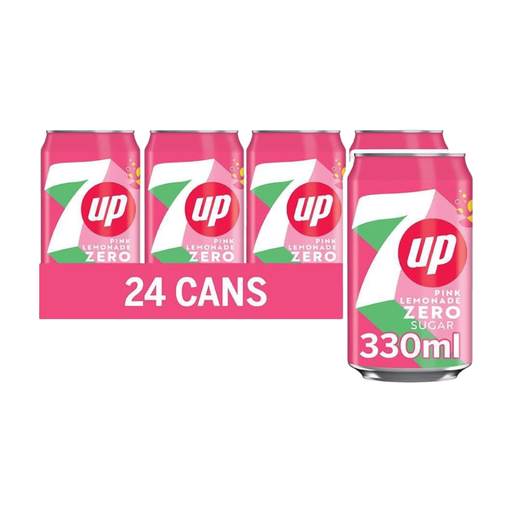
7 Up Lemonade Zero, pack of 24 330ml drinks

7 Up Lemonade Zero 24 x 330ml

The 24 x 330ml pack suits a plan to serve individual ready-to-drink portions rather than dilute squash. Check the exact nutrition label and ingredients if the Zero variant is relevant to your choice.

View on Joybuy

PEPSI Max, pack of 24 330ml drinks

PEPSI Max 24 x 330ml

This 24 x 330ml multipack is an individual-portion option, not concentrated squash. If serving cola at breakfast, check the exact ingredients and nutrition label against the preferences of the people drinking it.

View on Joybuy
Coca-Cola Original Taste, pack of 24 330ml drinks

Coca-Cola Original Taste 24 x 330ml

The 24 x 330ml format gives you separate ready-to-drink portions rather than a squash concentrate. Read the per-can nutrition information when comparing it with other drinks for the breakfast table.

View on Joybuy
Coca-Cola Zero Sugar, pack of 24 330ml drinks

Coca-Cola Zero Sugar 24 x 330ml

Choose the 24 x 330ml pack only if separate, ready-to-drink cola portions are what you want; it cannot be diluted like squash. Check the exact ingredients alongside the Zero Sugar description.

View on Joybuy
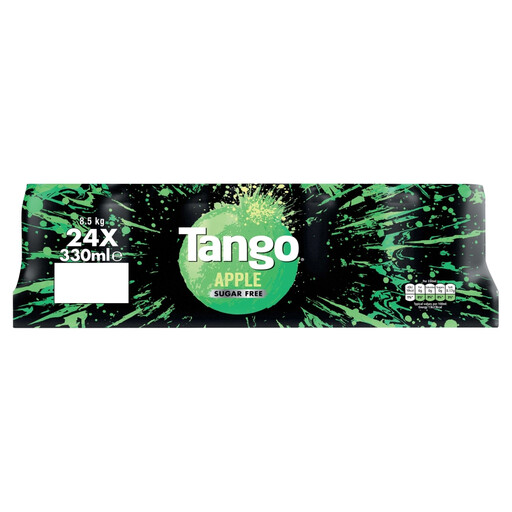
Tango Apple Sugar-Free, pack of 24 330ml cans

Tango Apple Sugar-Free Cans 24 x 330ml

This 24 x 330ml can multipack offers individual ready-to-drink portions with an apple flavour, not squash to prepare with water. Check the ingredients and nutrition label if the Sugar-Free variant is part of your comparison.

View on Joybuy

Common questions

Is a multipack can the same drink as bottled squash?

Not necessarily. Tesco Groceries lists squash as bottled concentrate and fizzy-drink-can multipacks as ready-to-drink soft drinks. Check the exact product label for “squash” and dilution instructions before treating a can as the drink you intended to buy.

Which format works for serving several people at home?

Bottled squash lets you prepare several glasses with water and follow the dilution directions; multipack cans provide separate drinks without preparation. Compare the amount you plan to serve and the nutrition of each drink as consumed, rather than treating a bottle and a can pack as equivalent quantities.

Does “no added sugar” settle the breakfast-drink choice?

No. Read the exact drink’s nutrition label and ingredients, including any sweeteners. The NHS says adults can swap sugary drinks for sugar-free or no-added-sugar options, while identifying water and milk as the preferred drinks for children.

Will a deposit apply to multipack drink cans?

For England and Northern Ireland, Defra’s guidance dated 30 January 2025 describes a refundable deposit scheme scheduled from 1 October 2027 for certain single-use aluminium, steel and PET drink containers from 150ml to 3 litres. Scotland and Wales have separate arrangements. Check the rules applying where you buy and return the drink and whether its container qualifies.