
24/7 Customer Support

Free returns

Same-day & Next-day Delivery

Quality Guaranteed

Unlock Your Welcome Offers: FREE Delivery | Up to 80% OFF | Free 30-day JoyPlus trial
Download the APP
As a dog owner, you know the sheer delight a new squeaky toy can bring. That frantic tail wagging, the focused chewing, the triumphant squeaks—it’s a joy to watch. Yet, the search for the perfect toy can be frustrating. Many products that promise hours of fun end up in the bin within minutes, torn to shreds, with their squeaker dangerously exposed.
Finding a toy that is both engaging and safe requires looking past the flashy packaging. This guide, from your Joybuy Product Recommendation Officer, will help you identify the common pitfalls and show you what to look for, ensuring your next purchase is a lasting success for both you and your furry companion.
Before you add another toy to your basket, be aware of these frequent issues that lead to wasted money and potential safety risks.
The "Indestructible" Myth: Many toys are labelled as "tough" or "durable," but this claim often doesn't hold up against a determined chewer. The problem usually lies in poor construction—single-stitched seams on plush toys or low-density rubber that tears easily. A toy that falls apart quickly is not just a waste of money; it creates a serious risk if your dog ingests the stuffing or fragments.
The Exposed Squeaker Hazard: The squeaker is the main event, but it's also the weakest link. In poorly designed toys, the squeaker is housed in a flimsy plastic casing just beneath a thin layer of fabric or rubber. An enthusiastic dog can get to it in no time, creating a significant choking hazard. The security of the squeaker is a non-negotiable safety feature.
Vague Material Claims: You'll often see terms like "pet-safe" or "non-toxic," but these labels can be misleading without specifics. The actual material is what counts. A cheap, unregulated plastic is very different from a high-quality, food-grade thermoplastic rubber (TPR). The right material depends on your dog's size, age and chewing habits.
To avoid these traps, focus on a few key parameters. Analysing these will help you select a toy that provides safe, long-lasting entertainment.
The material dictates a toy's durability and safety.
Don't just check if it squeaks; check how it squeaks. A well-made toy will have its squeaker deeply embedded within the core material, making it extremely difficult for a dog to access. In plush toys, this means the squeaker should be inside a securely stitched internal pouch, surrounded by ample stuffing.
A toy must be appropriate for your dog's breed and size. A toy that's too small is a choking hazard, while one that's too large may be unappealing or difficult for your dog to play with. Consider the shape: are you looking for an interactive dog toy for fetch, or a textured chew toy to help with dog toys for boredom and dental health? The right shape encourages proper play and maximises engagement.
We've filtered through the options to find products that align with these quality markers, matching them to different owner and dog profiles.

Why This Fits Their Persona: Perfect for a young puppy's teething phase. It's designed for small mouths and provides gentle auditory stimulation with a rattle instead of a loud squeak, making it ideal for early-stage play and comfort.
It avoids the "indestructible" myth by being purpose-built for puppies. The focus is on soft, safe materials for gentle chewing, not unrealistic toughness.
Made from super-soft plush that is gentle on developing teeth and gums. It is also machine washable, which is a practical feature for maintaining hygiene.
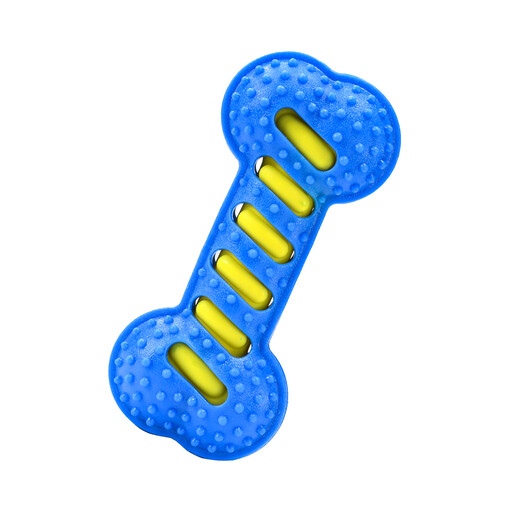
Why This Fits Their Persona: An excellent all-rounder for small to medium dogs who enjoy a good chew but aren't extreme power chewers. The classic bone shape is great for carrying and fetching, while the squeaker keeps them engaged.
It sidesteps the "exposed squeaker" hazard. The squeaker is fully encased within the durable TPR material, making it much harder to access than in a simple plush toy.
Made from high-quality TPR, which offers good resistance to chewing while remaining gentle on teeth. It is also easy to rinse clean after a play session.
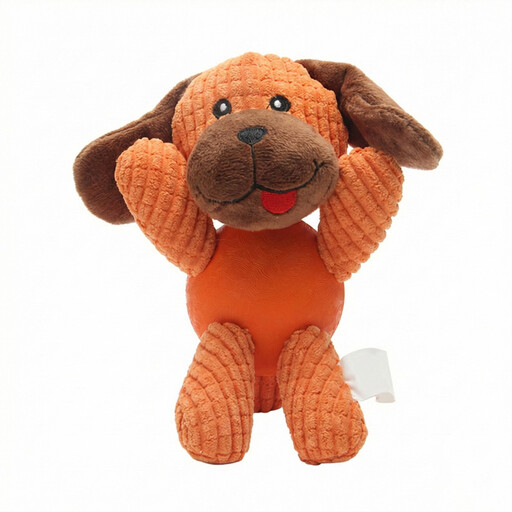
Why This Fits Their Persona: This toy is for the dog that needs more than just a simple squeak. The combination of thick corduroy, natural rubber and a squeaker provides varied textures and sounds to keep a dog mentally stimulated and combat boredom.
It counters the "flimsy plush" trap by using a more robust, thickened corduroy fabric combined with rubber, offering a more durable and engaging experience than a standard stuffed toy.
The multi-material design provides varied sensory feedback. The textured surfaces also help with cleaning teeth during play, adding a functional benefit.
We have compiled a complete, real-time list of products that fully satisfy these strict selection criteria and UK safety regulations.
There is no set schedule for replacing a dog toy. The most important practice is to inspect toys after each play session. Look for any signs of damage, such as cracks in rubber, torn seams in plush or any loose pieces. If the toy is compromised or the squeaker becomes exposed, you should discard it immediately to prevent your dog from swallowing any parts.
When used safely, squeaky toys are not bad for dogs. They can be highly beneficial for mental stimulation, providing an outlet for a dog's natural prey drive and helping to relieve boredom. The key is responsible ownership: always choose a toy that is the right size for your dog, made from high-quality materials and supervise playtime to ensure they do not destroy and ingest the toy.
The cleaning method depends entirely on the material.