
24/7 Customer Support

Free returns

Same-day & Next-day Delivery

Quality Guaranteed

Unlock Your Welcome Offers: FREE Delivery | Up to 80% OFF | Free 30-day JoyPlus trial
Download the APP
A squeak can turn an ordinary toy into an instant source of interest, whether your dog enjoys fetch in the park, indoor games on a rainy afternoon or quiet play at home. However, not all squeaky dog toys suit every dog. A small plush toy may be comforting for a puppy but quickly damaged by a powerful chewer, while a rubber toy that works outdoors may be too firm or noisy for a nervous dog.
Before buying, look beyond colourful designs and claims about durability. The right choice depends on your dog’s size, age, chewing behaviour, preferred play style and tolerance for sound.
No dog toy is indestructible. Product descriptions may use terms such as “tough”, “strong” or “long-lasting”, but stitching, squeakers and fillings can still become exposed during enthusiastic play. Dogs that tear, shred or swallow toy fragments need particularly close supervision and toys designed for their individual chewing habits.
Inspect every new toy before use, then check it regularly for:
Remove and replace the toy as soon as damage appears.
A toy that is too small may present an ingestion risk, while an oversized design can be frustrating for a puppy or small breed to carry. Check the stated dimensions and compare them with your dog’s mouth and carrying ability. A toy should be large enough not to be swallowed whole, but manageable enough for your dog to grip, fetch or squeeze.
A squeaker attracts attention, but it does not automatically provide meaningful activity. Dogs usually benefit from a mixture of interactive dog toys, short training games, chewing opportunities and movement. Rotate toys rather than leaving every option available at once. This can help maintain interest without relying on one noisy toy throughout the day.
Plush dog toys and other soft dog toys are often suitable for gentle play, carrying and cuddling. Look for reinforced seams and clearly stated materials, but remember that plush is generally not intended for aggressive chewers. Cotton, polyester filling, corduroy and rope sections can provide varied textures, although they still require inspection.
Latex, TPR and other rubber-like materials are commonly used for dog chew toys. They are easier to wipe or rinse than fabric and can be useful for fetch or chewing. Always check whether the toy is intended for small, medium or large dogs. Some latex toys are flexible and comfortable for gentle chewing but may not withstand persistent biting.
A built-in squeaker can encourage a dog to chase, carry or interact with a toy. Crinkle and grunting mechanisms offer alternative sounds, which may appeal to dogs that do not respond to a high-pitched squeak. Internal sound components should remain securely enclosed. If your dog attempts to remove the squeaker, discontinue use.
For puppies, consider whether the sound is suitable for your home and your dog’s temperament. A toy intended for supervised play may be preferable to one left with a puppy overnight.
Washable dog toys can be more convenient in the UK, particularly during wet weather and muddy walks. Rinseable rubber or latex designs are usually simpler to clean than stuffed toys. For plush products, follow the label instructions carefully: some can be machine washed, while others require spot cleaning only. Allow any toy to dry fully before giving it back to your dog.
Textured toys marketed as dog toys for dental health may help provide friction during chewing, but they should not be treated as a substitute for brushing or veterinary dental care. Avoid toys that are too hard for your dog’s teeth, and stop use if the surface splits or becomes sharp.
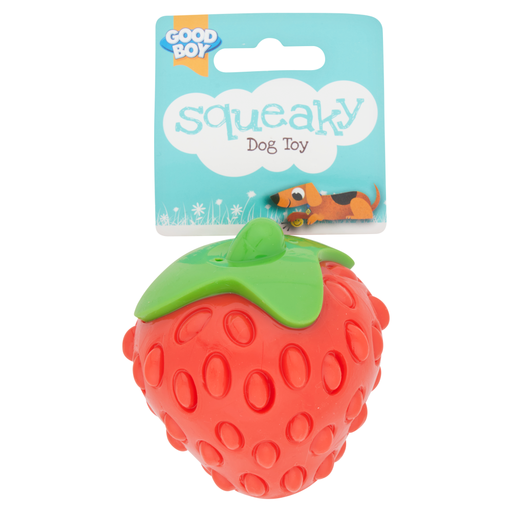
Why This Fits Their Persona: A lightweight option for owners introducing a dog to squeaky play, fetch or short indoor games without choosing a large specialist toy.
Its play purpose and materials are clearly stated, while the guidance still requires supervision and replacement if damaged.
Lightweight shape; suitable for fetch or solo play under supervision.
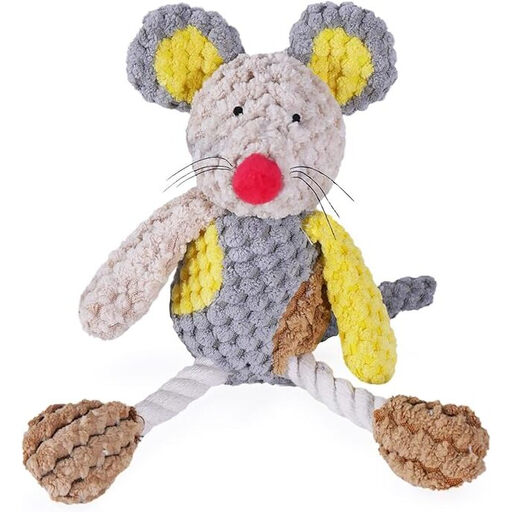
Why This Fits Their Persona: Suits households wanting a soft companion for indoor play, carrying and cuddling, particularly with puppies or smaller and medium-sized dogs.
The product description identifies it as unsuitable for aggressive chewers, so buyers can match it to gentle play rather than assuming plush means tough.
Built-in squeaker; machine-washable cotton and polyester construction.
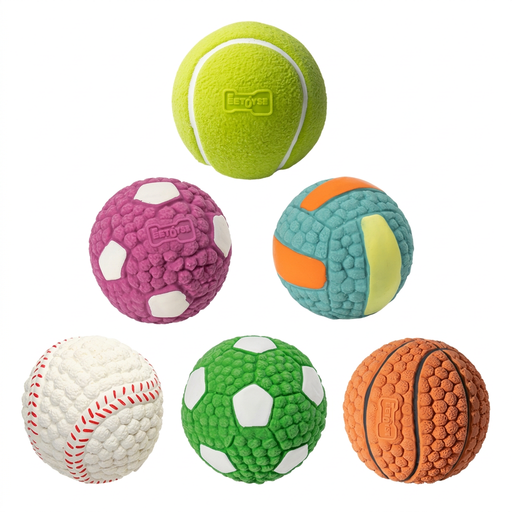
Why This Fits Their Persona: A practical choice for owners combining fetch, training and chewing games, with a washable format suited to frequent use indoors or outdoors.
The stated recommendation is for small to medium dogs and gentle to moderate chewers, rather than all chewing styles.
Soft latex balls; washable surface with textured areas for chewing play.
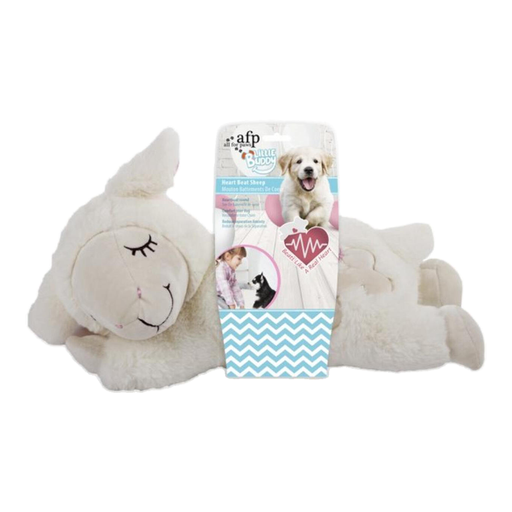
Why This Fits Their Persona: Designed for puppies moving into a new home or dogs that benefit from a soft bedtime companion, rather than vigorous chewing.
The heartbeat unit is removable, and the product warning clearly excludes aggressive chewers. Remove the unit before washing.
Extra-soft plush material; removable battery-powered heartbeat unit.
We have compiled a complete, real-time list of products that fully satisfy these strict selection criteria and UK safety regulations.
Many squeaky puppy toys are suitable when chosen for the puppy’s size and chewing behaviour. Use them only under supervision, especially during teething, and remove any toy that splits or exposes its squeaker. A soft plush toy may suit gentle play, while a flexible latex or TPR design may be more appropriate for supervised chewing.
There is no fixed lifespan. Gentle indoor use may allow a toy to remain usable for longer, while daily chewing can cause rapid wear. Rotate toys, clean them according to the instructions and inspect them before and after play. Replace any damaged item rather than waiting for the squeaker or filling to come loose.
Interactive play can provide stimulation and may help occupy a dog for short periods. A comfort toy with a heartbeat feature may help some puppies settle during a change of home or bedtime, but it is not a guaranteed solution or a medical treatment. For persistent distress when left alone, speak to a qualified veterinary professional or behaviourist.