Mobile script custodians
If you carry prompt copies, revisions, scans or production files between venues and collaborators, a drive’s size, handling and connection to your working computers will shape the choice.


Choose a portable SSD if the script archive travels regularly or includes large files you copy often; choose a portable hard drive if it travels less and the capacity of a suitable model matters more than rapid transfers. A desktop hard drive is worth considering when the collection stays at one desk. Whichever drive you choose, follow The National Archives’ advice to keep at least two copies in different places, and check that you can still open the files.
If you carry prompt copies, revisions, scans or production files between venues and collaborators, a drive’s size, handling and connection to your working computers will shape the choice.
If each production adds scripts and associated records, allow room for the growing collection and establish a routine for separate copies and access checks. The National Archives recommends regular backups kept in different places.
If the archive contains unpublished drafts, contracts or personal information, consider how authorised people will access it and how to protect it if the drive is lost. The Information Commissioner’s Office identifies encryption as a way to protect stored personal information.
Choose it when: The archive moves between venues or you frequently copy large scans, audio or video.
Bear in mind: Quoted transfer speeds depend on a compatible computer connection and cable.
Choose it when: The archive travels occasionally and a portable model offers the capacity your collection needs.
Bear in mind: Check the file system before sharing the drive between Mac and Windows computers, and protect it from knocks while in use.
Choose it when: The collection stays at a desk and a desktop model meets its storage needs.
Bear in mind: It is less convenient to carry between venues and must not become the only archive copy.
| Concern | What to check | Who this matters to |
|---|---|---|
| Keeping files accessible | Plan for another copy in a different place; check that you can connect the drive and open older files periodically. | If I am responsible for preserving scripts and revisions, I need a drive that fits a routine of separate copies and access checks. Around 37% of consumers put continued archive access first. |
| Travel and transfers | Consider how often the drive moves; check the computer port and cable if quoted SSD speeds matter. | Moving production files between rehearsals makes carrying the drive and copying large scans or media a priority for me. For around 27% of consumers, that mobility and transfer need comes first. |
| Capacity | Count scripts alongside scans, artwork and recordings, then compare the capacity of the exact models under consideration. | My archive grows with each production, so I need room for associated files as well as script documents. Capacity is the primary concern for around 18% of consumers. |
| Protection and compatibility | Check the exact model’s file system, device requirements and encryption options before copying files. | If I store confidential drafts or personal information and use more than one computer, I need appropriate protection without losing access. Around 18% of consumers prioritise that protection and compatibility need. |
A lost, failed or unreadable drive can take the only surviving copies of revisions and production records with it. The National Archives advises at least two copies stored in different places.
Make the new drive one part of a regular backup routine, and periodically open representative files to check access.
Samsung’s stated maximum speeds for the T7 Shield depend on a suitable USB 3.2 Gen 2 connection, cable and UASP support; an incompatible setup may transfer files more slowly.
Check the port on the computer you will use and decide whether you regularly move files large enough for transfer speed to affect your workflow.
Toshiba states that Canvio Basics is NTFS-formatted for Windows and requires reformatting for the cited macOS versions. Western Digital states that its cited My Passport USB-C range comes formatted as exFAT for Windows and Mac; other variants need their own checks.
Confirm the exact model’s format, connection and operating-system requirements before copying the archive. Keep a separate copy before reformatting, which can erase files.
A misplaced drive can expose drafts, contracts or personal information. The Information Commissioner’s Office identifies encryption as a protective measure, while noting that UK GDPR does not specifically require encryption of all personal information.
Assess the information on the drive and use suitable encryption and password management where appropriate. Keep a recovery method accessible to authorised custodians and separate from the drive.
Its My Passport USB-C portable hard-drive range is relevant when an archive needs local capacity and access from Windows and Mac computers.
The T7 Shield portable SSD is relevant when scripts travel or an archive includes scans and other large production files.
Canvio Basics is a portable hard-drive line to consider for a predominantly Windows-based script archive.
One Touch is a relevant external-drive line when considering portable or desk-based storage and multi-device use.
These portable SSDs and hard drives offer different capacities and connection options for carrying or keeping a local script-archive copy. Choose the exact model for your devices and files, then keep another copy elsewhere.
 No image available
A portable SSD option if a travelling archive needs 4 TB of local storage. The named variant has a USB Type-C connection and USB 3.2 Gen 2x2 interface; check your computer’s port if transfer speed matters, and confirm the file system suits the computers that will open the archive.
 No image available
A portable option for carrying scripts and transferring larger production files when 1 TB meets the archive’s needs. This variant uses USB 3.2 Gen 2; Samsung’s stated maximum read and write speeds depend on a compatible host, cable and UASP support. Check the file system before relying on access from different computers.
 No image available
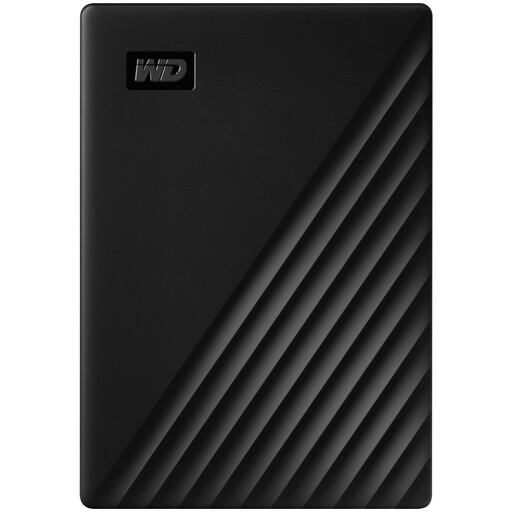
A portable hard-drive choice for a script and production-file archive that needs 4 TB. If you intend to open it on a Mac, confirm the required driver works with your setup; avoid moving the drive while files are transferring.
 No image available
A 5 TB portable hard-drive option for a Mac-centred archive. If Windows computers will also need the files, check the required HFS+ driver and your intended Windows setup before relying on cross-platform access. Confirm the warranty term in the documentation for the product offered.
 No image available
A portable 4 TB hard-drive option for keeping a local copy of a Windows-based archive. For Mac or other devices, check the file system and whether reformatting is needed before copying scripts; protect the drive from physical shocks.
No. The National Archives advises keeping at least two copies in different places and checking digital files for damage or access problems. Use the external drive as one copy in that routine.
A portable hard drive can suit scripts kept mainly at one desk when its capacity and compatibility meet your needs; a portable SSD is worth considering when the archive travels or you regularly copy large scans and media. Check the computer connection before relying on an SSD’s quoted maximum speed.
Check the exact drive’s format before assuming it will work unchanged. Toshiba says the cited Canvio Basics requires reformatting for the cited macOS versions, while Western Digital says its cited My Passport USB-C range comes formatted as exFAT for Windows and Mac. Keep another copy of your files before any reformatting.
No blanket encryption requirement follows from the Information Commissioner’s Office guidance: it says UK GDPR does not specifically require encryption of all personal information, but security measures must be appropriate to the risk. If a portable archive contains personal information or confidential material, assess encryption and make sure authorised custodians can manage and recover access.
Do not rely on a warranty to recover archive files. Seagate’s UK limited-warranty terms exclude data loss and recommend regular backups to a separate storage medium; check the terms for your chosen drive while maintaining separate copies.