Choose a portable SSD if you regularly copy sizeable recording folders or work from the external drive; choose a portable HDD if keeping a growing archive matters more than transfer speed. Check the workstation connection, capacity and file format before copying, and keep a separate backup. For recordings made directly from a live performance, establish that you have the necessary permissions.
Who each drive suits
Frequent recording-file movers
If you repeatedly move recordings from a recorder or card reader to your workstation, a portable SSD may suit the shorter transfer waits you want. To benefit from its advertised speed, check the workstation port and cable against the drive’s requirements.
Large concert-archive keepers
If you mainly retain an expanding collection of recordings rather than work directly from the external drive each day, consider a portable HDD with enough capacity for the collection and its expected growth. Seagate lists multi-terabyte models in its Backup Plus Portable line.
Mixed Mac-and-Windows users
If both systems need to write to the drive, decide on the file format before loading recordings. Apple identifies ExFAT as Windows-compatible; it also cautions that a Mac may read an NTFS drive without being able to write to it.
What to check before buying
Decide whether the drive’s main job is frequent file work or archive storage, then check the connection, backup arrangement and file format against your workstation.
Portable USB SSD
Choose when: You regularly move sizeable recording folders or want to access files directly from the drive.
Bear in mind: Advertised transfer rates depend on a compatible workstation port and cable; Samsung also specifies UASP for the T7 Shield’s stated maximum rates.
Portable USB HDD
Choose when: Your priority is retaining a larger recording archive rather than frequently working from the drive.
Bear in mind: A USB interface specification alone does not establish how quickly the drive will copy your files.
| Concern | What to check | Who this matters to |
|---|
| Copying and file access |
Check the workstation’s USB port and the cable needed for the SSD’s stated transfer mode. |
If I move large folders regularly, waiting for copies can interrupt my work. Roughly 31% of consumers put faster copying and file access first. |
| Archive capacity |
Compare the size of your current library with the drive’s capacity, allowing room for growth. |
When my collection keeps growing, I need space to retain it without changing drives soon. Around 31% of consumers make archive capacity their primary concern. |
| Backup protection |
Plan a separate copy and a secure place to keep the backup device disconnected when not in use. |
If recordings would be difficult to replace, I do not want the working drive to hold the only copy. About 23% of consumers prioritise backup protection. |
| Mac and Windows writing |
Check the drive’s file format before copying and whether both intended computers can write to it. |
Moving recordings between a Mac and a Windows workstation means I need write access on both. Roughly 15% of consumers put that compatibility first. |
Mistakes to avoid
-
Treating the working drive as the only backup
One external drive can be lost, fail or be affected while connected to a compromised computer.
Keep a separate copy. The National Cyber Security Centre advises storing a backup device securely and disconnecting it when it is not in use.
-
Choosing an SSD by its headline speed alone
A drive’s advertised maximum does not tell you what an incompatible workstation port or cable will deliver.
Check the exact USB mode supported by the drive, port and cable. Treat manufacturer sequential-speed figures as conditional ratings.
-
Loading files before checking the format
An NTFS-formatted drive may be readable on a Mac but not writable there, according to Apple. Reformatting a drive erases its existing files.
Choose a format suited to the computers that will write to the drive before copying the archive; check ExFAT for a shared Mac-and-Windows data drive.
Changing format after loading the drive means moving the files elsewhere first, which takes time and temporary storage space.
-
Assuming a concert ticket grants recording rights
For a recording made directly from a live performance in the UK, attendance does not establish permission to record or use the performance. The UK Intellectual Property Office explains that performers’ rights can prevent recording a live performance.
Establish the relevant permissions before recording, copying or sharing performance material; do not assume that owning a storage drive changes those rights.
Brands to consider for these drive types
Samsung
The T7 Shield line is a portable SSD option for frequent transfers and working from an external drive, with 1 TB, 2 TB and 4 TB variants listed by Samsung.
- Samsung rates the T7 Shield at up to 1,050 MB/s read and 1,000 MB/s write.
- Those maximum ratings require USB 3.2 Gen 2, a supporting cable and UASP. Samsung’s IP65 and drop-resistance claims come from controlled internal tests; its warranty does not cover liquid, dust or drop damage.
Seagate
The Backup Plus Portable HDD line is relevant when a multi-terabyte archive is the main requirement; Seagate lists 4 TB and 5 TB Portable variants.
- The line offers capacity choices for a growing collection on one portable drive.
- Backup Plus includes different Portable and Slim variants. Confirm the exact model, connector and supplied cable before choosing one.
Western Digital
The My Passport portable HDD line is relevant to archive storage where hardware-encryption support is also a consideration.
- Western Digital lists 256-bit AES hardware encryption for My Passport models.
- Western Digital says the drives use NTFS out of the box and need reformatting for macOS use. Check the format before putting files on a drive that a Mac must write to.
Joybuy drive choices
These portable SSDs suit a transfer-focused working drive, while the portable HDD is an archive-oriented option. Choose capacity for your recording collection and check the connection and file format for your workstation; whichever drive you use, plan a separate backup.
 No image available
Samsung MU-PG4T0B 4 TB portable SSD
Consider this for recurring recording transfers when you also need room for a sizeable working library.
4 TB; USB Type-C and USB 3.2 Gen 2x2. Check whether the workstation supports that USB mode and whether the drive’s format suits every computer that must write to it.
Joybuy
 No image available
Samsung Portable SSD T7 4 TB Grey
This is another SSD choice for a growing working library that you copy to frequently.
4 TB; USB Type-C and USB 3.2 Gen 2. Confirm the workstation connection and writable file format before moving recordings.
Joybuy
 No image available
Samsung MU-PG2T0B 2 TB portable SSD
Consider this for repeated transfers if 2 TB leaves enough space for the recordings you expect to keep on the working drive.
2 TB; USB Type-C and USB 3.2 Gen 2x2. Check the host connection and writable format before copying files.
Joybuy
 No image available
SanDisk Portable SSD 2 TB
This 2 TB portable SSD is worth considering for a working collection that fits within that capacity.
Check its cable connection against the workstation and confirm the writable format needed before loading recordings.
Joybuy
 No image available
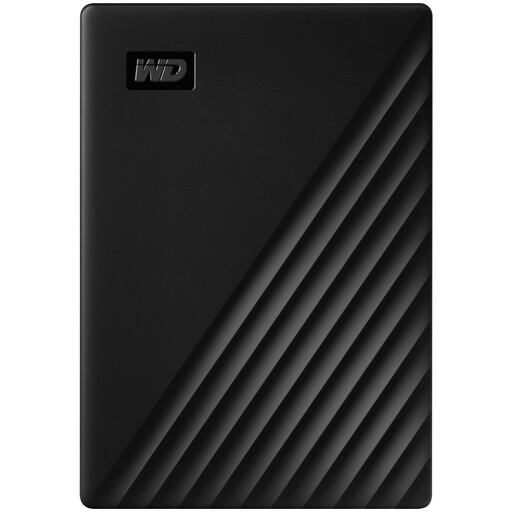
Western Digital My Passport 4 TB portable hard drive Black
Consider this HDD when retaining a larger archive matters more than frequent work directly from the drive.
4 TB. Western Digital says My Passport drives use NTFS out of the box, so confirm the format and Mac write access before copying a shared Mac-and-Windows collection.
Joybuy
Common questions
Can I copy a concert recording onto an external drive in the UK?
Check that you have the necessary permissions, particularly if the recording was made directly from a live performance. The UK Intellectual Property Office explains that performers’ rights can prevent recording a live performance; a concert ticket or drive purchase does not itself establish permission to record, copy or share it.
Should I choose an SSD or HDD for a home recording workstation?
Choose a portable SSD for regular transfers or work from the drive if your workstation supports the connection it needs. Choose a portable HDD when archive capacity is the priority and transfer speed matters less; keep a separate backup with either choice.
Which format should I check for both Mac and Windows?
Check ExFAT for a shared data drive: Apple identifies it as Windows-compatible and recommends it for Windows volumes over 32 GB. Apple also notes that a Mac may read NTFS without being able to write to it. Move existing files elsewhere before erasing or reformatting a drive.
Is one external drive enough for my only copy?
No, if losing the recordings would matter, keep a separate backup rather than relying on one drive. The National Cyber Security Centre advises storing backup devices securely and disconnecting them when they are not in use.


