
24/7 Customer Support

Free returns

Same-day & Next-day Delivery

Quality Guaranteed
Download the APP
Categories
Navigating the world of baby products can feel overwhelming, especially when it comes to choosing a Stage 1 baby formula. As a new or expectant parent, you want to make a confident choice for your baby's nutrition. This guide is designed to cut through the clutter, offering clear, practical information to help you understand your options for a newborn baby formula in the UK.
We will walk through key considerations, highlight some popular choices and provide the objective details you need to select a suitable breast milk substitute.
An important note: Health authorities advise that breastfeeding is the ideal source of nutrition for babies. Infant formula is intended to replace breast milk when babies are not breastfed. We recommend that you only use a first infant milk on the advice of a doctor, midwife, health visitor or other professional responsible for maternal and child care.
All infant formulas sold in the UK must meet strict legal standards for nutritional composition. This ensures that any formula you choose will provide the complete nutrition your baby needs to grow and develop from birth. However, there are still differences between brands that you may wish to consider.
In the UK, all first infant milk is designed to be a sole source of nutrition for infants from birth up to 6 months. A key legal requirement is the inclusion of DHA (Docosahexaenoic acid), an omega-3 fatty acid. This means every DHA baby formula on the market is formulated to support your baby's normal visual development, as mandated by law. This baseline of quality and safety should offer parents significant peace of mind.
Most infant formulas are based on cow's milk, which is modified to be suitable for babies. However, the specific blend of ingredients can vary. For instance, some parents are increasingly looking for a palm oil free formula. Brands may choose to use other vegetable oils, like coconut or sunflower oil, in their fat blend. While all legally approved fat blends are safe and effective, some parents make this choice based on personal preference or environmental considerations.
If you are planning on both breastfeeding and bottle-feeding, you might be looking for a formula for combination feeding. The good news is that any Stage 1 formula is suitable for this. Their composition is designed to be the next best alternative to breast milk, providing consistent nutrition whether it's used for every feed or just some of them.
Here are a few carefully selected options available in the UK market. We've outlined their key features to help you compare them at a glance.
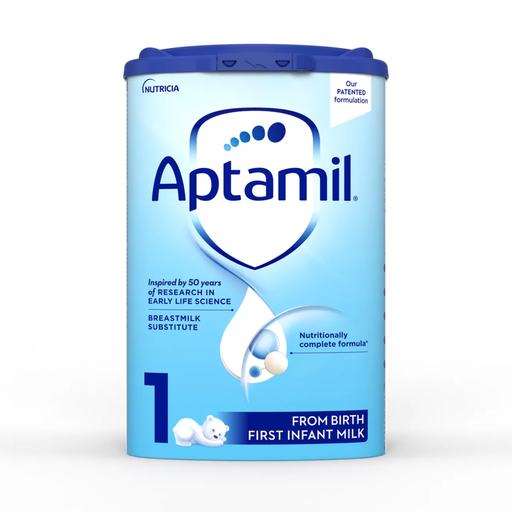
Why It Stands Out: Aptamil is a widely recognised brand in the UK. According to the manufacturer, their formula is backed by over 50 years of breast milk research. It contains a blend of Galacto- and Fructo-oligosaccharides (GOS/FOS) and is nutritionally complete for babies from birth.
Pros:
Who is it for: Parents looking for a scientifically developed formula from a long-established brand that is suitable for either exclusive bottle-feeding or combination feeding.
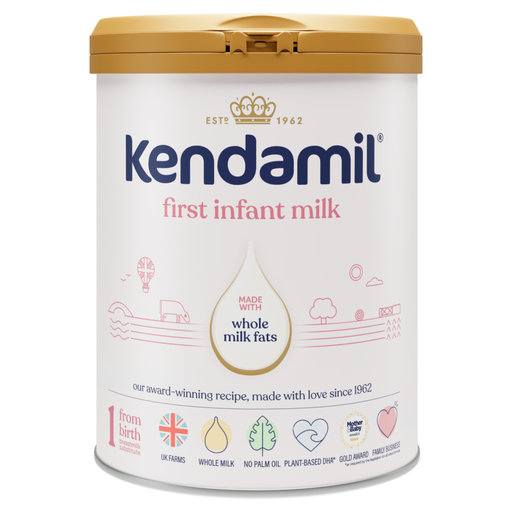
Why It Stands Out: Kendamil stands apart by using whole milk as a source of fat in its formulation. It is a palm oil free formula and uses plant-based DHA, making it certified vegetarian. The brand highlights its British provenance, sourcing milk from UK farms.
Pros:
Who is it for: Parents who prioritise whole milk ingredients, a vegetarian formulation and a product with a strong focus on British sourcing and sustainability.
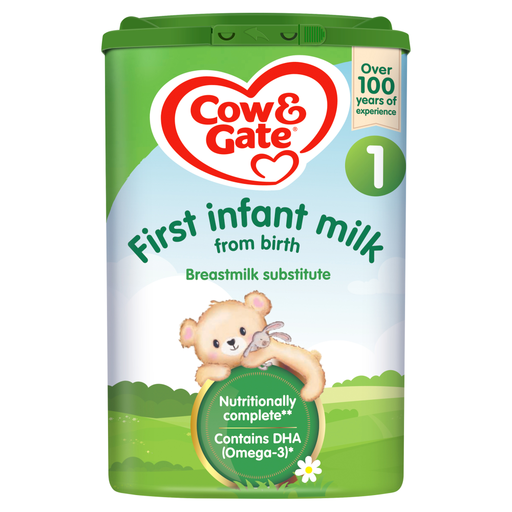
Why It Stands Out: As another long-standing name in the UK, Cow & Gate offers a nutritionally complete first infant milk that is also free from palm oil. It provides all the key nutrients required for your baby's first year and is known for being a widely available and trusted option.
Pros:
Who is it for: Parents seeking a reliable and accessible formula from a well-known brand that offers a balanced nutritional profile without palm oil.
The products highlighted here are just a starting point. Every baby is different, and the right choice is the one that suits your baby and your family's needs. If you'd like to compare other brands, organic options or ready-to-feed formats, you can browse our complete range.
Explore our full collection of formula milk powder to find the right fit for your family.
Stage 1 formula, also known as first infant milk, is suitable from birth and is designed to be your baby's sole source of nutrition for the first six months. Stage 2, or follow-on milk, is formulated for babies from 6 months onwards and is intended to complement a varied weaning diet, not as a sole food source. It typically contains higher levels of certain nutrients, like iron, to meet the needs of a growing baby.
Yes. All infant formulas sold in the UK must adhere to the same strict nutritional regulations, so they are broadly very similar. Switching between brands is generally safe. However, formulas can have slightly different tastes or textures, and some babies may notice the change. If you have any concerns about switching, it is always a good idea to speak with your health visitor.
Yes. Since 2020, legislation in the UK and EU has made it mandatory for all infant formulas to be a DHA baby formula. This means they must contain a specific amount of the omega-3 fatty acid Docosahexaenoic acid (DHA). This is because DHA contributes to the normal visual development of infants up to 12 months of age.