
24/7 Customer Support

Free returns

Same-day & Next-day Delivery

Quality Guaranteed

Unlock Your Welcome Offers: FREE Delivery | Up to 80% OFF | Free 30-day JoyPlus trial
Download the APP
A reliable stain remover can save clothing, carpets and soft furnishings from avoidable replacement. However, choosing the wrong formula can waste money or cause further damage. UK households face three common buying traps:
The right choice depends on the stain type, surface, application method and care label, rather than the strongest-sounding marketing message.
Start by deciding where the product will be used. A fabric stain remover or pre-wash stain remover for clothing is not automatically suitable for carpets or sofas.
Always patch-test on a hidden area and allow it to dry before treating the visible surface.
The product format affects control, storage and dosing:
An Oxi stain remover generally refers to a product using oxygen-based bleaching agents. This is different from chlorine bleach, but it still requires fabric and colourfastness checks.
A shorter stated contact time does not necessarily mean a product suits every stain. Fresh food marks may respond differently from dried grease, grass or cosmetic pigment.
Check:
Avoid heat from a tumble dryer, radiator or iron until the stain has been removed, as heat can make some marks more difficult to treat.
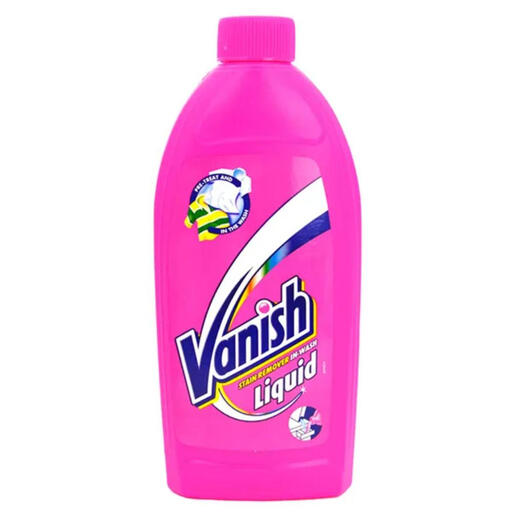
Why This Fits Their Persona: A 450ml liquid format suits households wanting one product for routine laundry and occasional pre-treatment.
It offers both in-wash and pre-treatment use, reducing the need to buy separate formats. Check the label before using on wool, silk or leather.
Liquid dosing; suitable for direct treatment or use with a washing machine when used as directed.

Why This Fits Their Persona: The 200ml gel and applicator head are suited to shoppers who prioritise controlled, targeted treatment for collars, cuffs and small marks.
The applicator supports precise dosing, helping avoid soaking an unnecessarily large area or using excess product.
Gel format; integrated applicator; stated use on many coloured and white fabrics, excluding listed delicate materials.
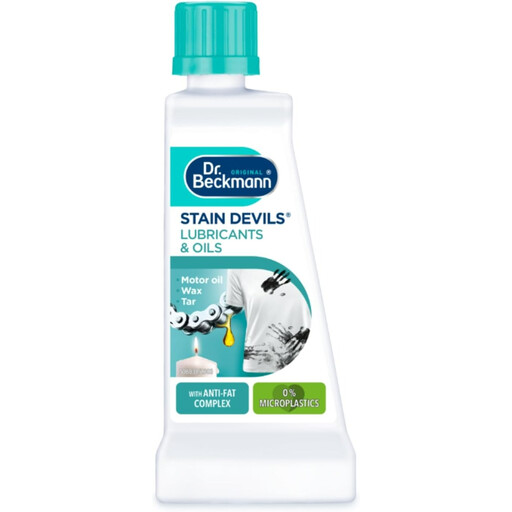
Why This Fits Their Persona: A focused option for workwear, cooking clothes and household fabrics affected by grease, motor oil or lubricant marks.
It is positioned for oily stains rather than relying on a general-purpose formula for every type of mark.
50ml targeted liquid; intended for grease, cooking fat, engine oil and lubricant marks on suitable washable textiles.
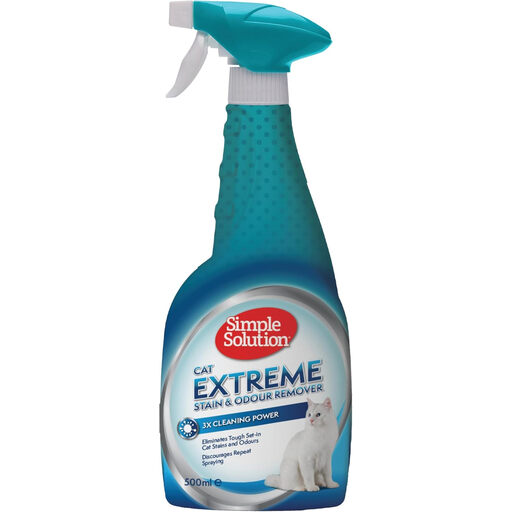
Why This Fits Their Persona: Cat owners dealing with urine, faeces or vomit on water-safe carpets, upholstery, bedding or fabric toys may prefer a dedicated pet formula.
It is designed specifically for organic pet messes rather than simply masking odour with fragrance. It is not suitable for leather.
500ml bottle; enzyme and Pro-Bacteria formula; suitable for stated water-safe surfaces when used as directed.
For carpet and upholstery work, apply only enough moisture to treat the area, blot residue and allow the surface to dry fully. Excess moisture can affect underlay, backing materials or furniture interiors.
We have compiled a complete, real-time list of products that fully satisfy these strict selection criteria and UK safety regulations.
Choose a targeted laundry stain remover designed for lubricant, cooking fat or oil. Apply it to washable fabric only, place a clean cloth behind the mark and follow the recommended contact time before washing. Avoid tumble-drying until the stain has gone.
Not unless the product label specifically allows it. Laundry formulas may not be suitable for carpet fibres, upholstery backing or furniture fillings. Use a dedicated carpet cleaner or upholstery cleaner, patch-test first and follow the surface manufacturer’s care instructions.
It depends on the pack price, dose and frequency of use. Powder can be practical for regular washing, soaking and larger family loads, while spray or gel reduces preparation time for isolated marks. Compare the recommended number of treatments per pack rather than the headline container size alone.