
24/7 Customer Support

Free returns

Same-day & Next-day Delivery

Quality Guaranteed

Unlock Your Welcome Offers: FREE Delivery | Up to 80% OFF | Free 30-day JoyPlus trial
Download the APP
As a dog owner, you're likely familiar with the daily challenges of feeding time. Puddles of water on the kitchen floor, a bowl that slides across the room or the worrying sound of your dog gulping down their meal in seconds. Choosing the right feeding equipment can make a significant difference to your dog's health and your home's cleanliness. A stainless steel dog bowl is often recommended for its durability and hygiene, but the market is filled with options.
This guide is designed to help you navigate the choices. We'll outline key features to consider and present a few recommendations that address common problems faced by UK dog owners, from messy eaters to those needing a little extra comfort.
Before choosing, it's helpful to understand what makes a bowl suitable for your specific needs. Here are a few practical points to consider.
The material of a dog bowl is crucial for cleanliness and longevity. Stainless steel is a popular choice because it is non-porous, meaning it doesn't harbour bacteria in the same way that scratched plastic or ceramic bowls can. This makes for a more hygienic dog bowl that is easy to clean and sanitise, promoting better health for your pet. It's also rust-resistant and durable enough to withstand daily use.
Modern dog bowls are designed to solve specific problems.
Ensure the bowl is appropriately sized for your dog. A large dog bowl is essential for bigger breeds to hold a full meal or a day's worth of water, reducing the need for constant refills. Check the capacity, usually measured in millilitres or litres, to match your dog's daily intake.
Based on features that address common feeding challenges, here are some standout options to consider for your dog.
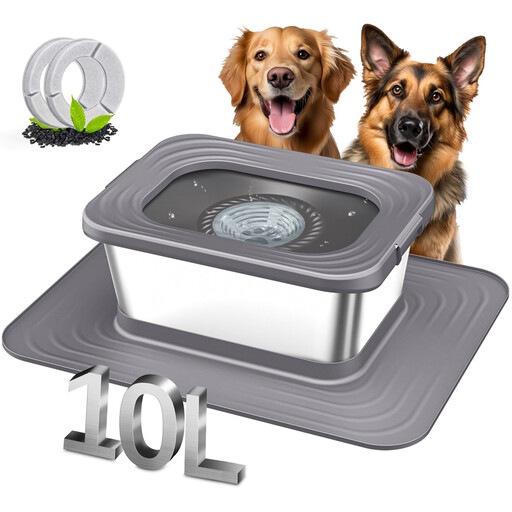
Why It Stands Out: This bowl is specifically engineered to minimise mess. Its floating structure and splash-proof barrier work together to control water flow and contain splashes, making it an excellent solution for enthusiastic drinkers.
Pros:
Who is it for? This is a practical choice for owners tired of mopping up water spills, particularly those with dogs who tend to make a mess while drinking.
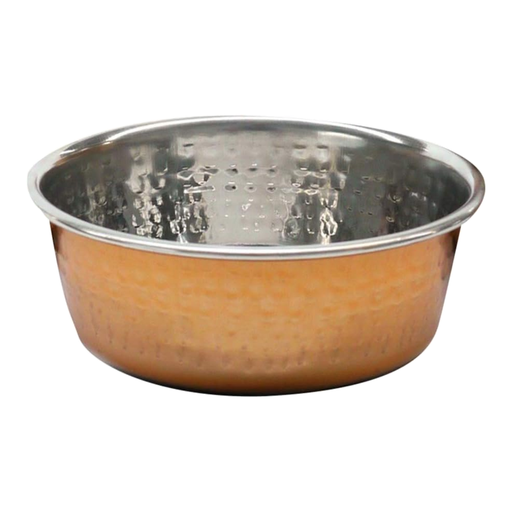
Why It Stands Out: This bowl combines functionality with a decorative touch. The hammered copper-effect exterior offers a stylish alternative to standard stainless steel, while the large capacity and sturdy base make it highly practical.
Pros:
Who is it for? A great fit for house-proud owners of large dogs who want a feeding bowl that is both robust and aesthetically pleasing.

Why It Stands Out: This versatile dog feeding station offers a complete, adjustable solution. It combines a slow feeder with a standard stainless steel bowl in a height-adjustable frame, catering to a wide range of needs from puppyhood to senior years.
Pros:
Who is it for? An excellent all-in-one solution for fast eaters, growing puppies, large breeds or senior dogs who would benefit from a raised and structured feeding environment.
Your dog's needs are unique, and our selection reflects that. If the recommendations above aren't quite the right fit, there are many other designs to consider.
Explore our full collection of stainless steel pet feeding bowls to find more styles, sizes and functional solutions.
1. Why is stainless steel a good choice for dog bowls? Stainless steel is widely recommended by veterinary professionals because it is non-porous, durable and easy to sanitise. Unlike plastic bowls that can develop scratches harbouring bacteria or ceramic bowls that can chip, stainless steel provides a hygienic surface that resists rust and is dishwasher-safe.
2. How can I stop my dog's bowl from moving around? To prevent a bowl from sliding, look for a non-slip dog bowl that has a rubber ring or a full rubber base. Alternatively, you can place the bowl on a dedicated non-slip feeding mat, which also helps contain any food or water spills. Heavier bowls or those set in a sturdy station are also less likely to be pushed around.
3. Is a raised dog feeder suitable for my dog? An elevated dog bowl can be particularly beneficial for large or giant breeds, senior dogs with arthritis and certain dogs with medical conditions that affect their posture or digestion. By raising the food to a more comfortable height, it can reduce strain on the neck and joints. However, it may not be necessary for all dogs. It is always a good idea to observe your dog's eating habits and comfort level.