
24/7 Customer Support

Free returns

Same-day & Next-day Delivery

Quality Guaranteed

Unlock Your Welcome Offers: FREE Delivery | Up to 80% OFF | Free 30-day JoyPlus trial
Download the APP
As more of us in the UK look for durable, reusable alternatives to plastic, stainless steel food containers have become a popular choice for everything from work lunches to home food storage. However, the market is filled with options, and not all are created equal. It's easy to end up with a container that leaks, rusts or simply doesn't live up to its promises.
As the Joybuy Product Recommendation Officer, my role is to help you navigate these choices. Before you buy, be aware of these common pitfalls that can lead to a disappointing purchase:
To make a smart purchase, focus on the core specifications that determine a container's performance and longevity. These are the non-negotiable factors to check.
The type of steel used is perhaps the most important factor.
For a container to be genuinely leakproof, it needs more than just a lid. Look for a combination of two features:
Finally, match the container's design to its intended use. Don't expect one product to do everything.
Based on these practical criteria, here are a few recommendations matched to different needs.
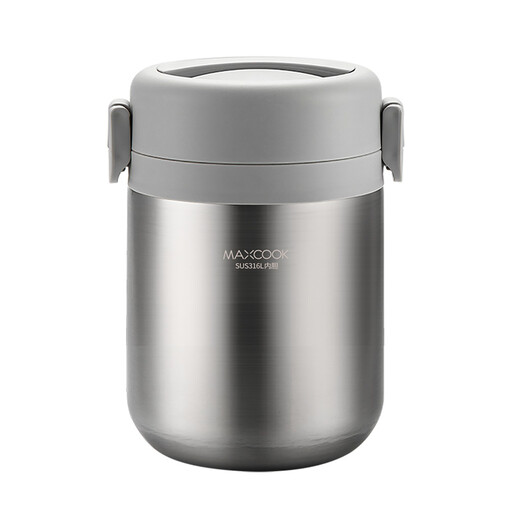
Why This Fits Their Persona: Ideal for professionals who want to bring hot, home-cooked meals like soup, stew or curry to the office. The 1.5L capacity is generous, and the vacuum insulation is designed to keep food warm for the 4-6 hours typical of a morning commute and work period.
It uses premium 316 stainless steel, making it highly resistant to corrosion from acidic or salty foods. Its purpose-built insulated design avoids the trap of unrealistic temperature claims by focusing on a practical 4-6 hour window.
Superior corrosion resistance for longevity. The wide mouth design makes it easy to fill, eat from and clean.

Why This Fits Their Persona: This reusable food storage set is perfect for those who prepare meals for the week ahead. The multiple sizes are ideal for mains, sides and snacks. They are designed for fridge and freezer storage, helping to keep the kitchen organised and food fresh.
By using high-grade 316L stainless steel, this set avoids the pitfall of premature staining or corrosion from storing various foods over several days. The focus is on safe, long-term storage rather than insulation.
A versatile set with multiple sizes for complete meal prep. The material is durable, non-toxic and dishwasher-safe for easy cleanup.
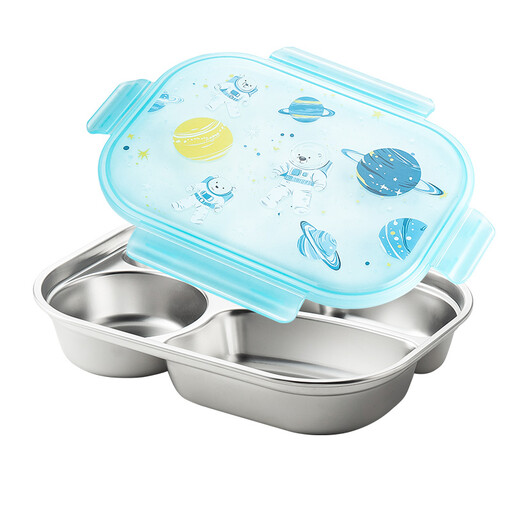
Why This Fits Their Persona: This stainless steel bento box is excellent for packing varied school lunches. The four compartments keep sandwiches, fruit and snacks separate and fresh. The fun astronaut pattern on the lid adds a child-friendly touch, and the four-buckle seal is secure.
It avoids the "one-size-fits-all" trap by being a specialised tool for portioning, not insulation. The 316L steel tray is durable and rust-resistant, addressing the material quality pitfall and ensuring it stands up to daily use and washing.
Compartments support healthy portion control and prevent food from mixing. The metal tray is durable and easy to clean.
We have compiled a complete, real-time list of products that fully satisfy these strict selection criteria and UK safety regulations.
No, you must never put any stainless steel products in a microwave oven. Metal reflects microwaves, which can cause sparks and damage your appliance. It is a serious fire hazard. Food in a stainless steel container will also not heat up.
Both are safe for food. The main difference is that 316 stainless steel contains molybdenum, an element that significantly boosts its resistance to corrosion from salt and acid. For everyday use with non-acidic foods, 304 is perfectly adequate. For storing or carrying things like tomato sauces, citrus-based dressings or pickled items, 316 offers superior long-term durability.
Food particles and moisture can get trapped in the silicone seal, leading to odours. To prevent this, always remove the seal from the lid when you wash it. Clean the seal and the lid's groove separately with warm, soapy water. Most importantly, allow all parts—the container, the lid and the seal—to dry completely before you reassemble and store them.