
24/7 Customer Support

Free returns

Same-day & Next-day Delivery

Quality Guaranteed

Unlock Your Welcome Offers: FREE Delivery | Up to 80% OFF | Free 30-day JoyPlus trial
Download the APP
A perfectly cooked steak or a uniformly thin chicken escalope can elevate a simple home-cooked meal. The secret often lies not just in the cooking, but in the preparation. A quality meat tenderiser is a fundamental tool for any home cook, yet the market is filled with options that promise much and deliver little. As a Joybuy Product Recommendation Officer, my role is to help you see past the marketing jargon and identify the features that truly matter.
Many shoppers find themselves with a kitchen tool that rusts after a few washes or is so poorly designed it makes the task harder, not easier. Before you make a purchase, let’s look at the common pitfalls to avoid.
To ensure you invest in a tool that is both effective and durable, focus on these three non-negotiable features.
The single most important factor is the material. Look for products explicitly stating they are made from 304-grade stainless steel. This specific alloy contains high percentages of chromium and nickel, giving it superior resistance to rust, corrosion and acid from marinades. It is the standard for high-quality food preparation equipment because it is non-reactive and will not impart any metallic taste to your food. A genuine stainless steel meat tenderiser is a lifetime purchase, unlike its plated counterparts.
A versatile meat mallet or meat hammer should feature a dual-sided head.
A well-designed heavy duty meat mallet will have enough mass in the head (typically 400-600 grams) to perform both tasks efficiently without you needing to use excessive force.
Consider the overall build. A unibody tool, crafted from a single piece of stainless steel, offers the highest level of hygiene as there are no seams or joints where food particles can get trapped. These are often dishwasher safe and incredibly durable.
Tools with separate handles, such as those with wood, can offer excellent ergonomics and a classic aesthetic. However, ensure the point where the metal head joins the handle is tightly sealed. For wooden handles, regular maintenance (hand washing and occasional oiling) is required to prevent cracking and maintain hygiene.
Based on these practical criteria, here are a couple of recommendations matched to different home cook profiles.
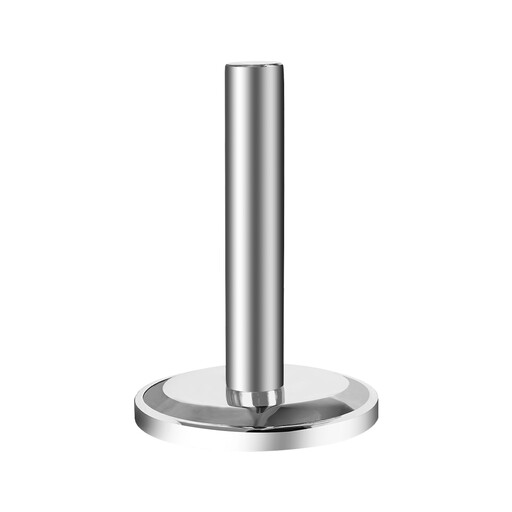
Why This Fits Their Persona: This user values efficiency and hygiene above all. They need a reliable tool for preparing quick family meals like chicken schnitzel or thin pork cutlets. This pounder's solid, one-piece design makes it perfect for the job and even better for the clean-up.
Its unibody construction from 304 stainless steel completely eliminates the risk of peeling plating or rust. The seamless design means there are no crevices for food to get trapped, directly addressing the hygiene pitfall.
The primary advantage is its exceptional hygiene and durability. It is fully dishwasher safe and its weighted, balanced structure makes flattening meat quick and effortless.
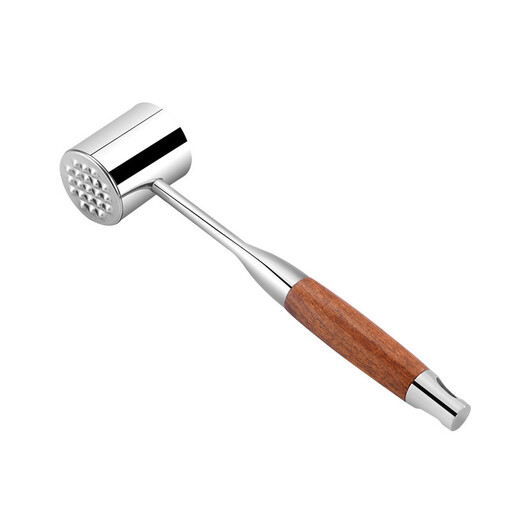
Why This Fits Their Persona: This cook appreciates the feel of traditional tools and often works with thicker, tougher cuts of beef for grilling. The classic combination of a heavy steel head and a comfortable wooden handle provides excellent control and leverage.
The head is made from solid 304 stainless steel, ensuring it won't rust or chip. Its substantial weight provides the necessary force for tenderising steak, avoiding the "ineffective tool" pitfall common with lighter mallets.
This kitchen meat hammer offers a great balance between modern, food-safe materials and a traditional, ergonomic design. The wooden handle provides a warm, secure grip that many cooks prefer.
We have compiled a complete, real-time list of products that fully satisfy these strict selection criteria and UK safety regulations.
For a solid, one-piece stainless steel tool, cleaning is simple: it can be placed in the dishwasher. For models with wooden handles, it is crucial to hand-wash them with warm, soapy water and a brush to clean the textured head. Dry the tool immediately and thoroughly, especially the wooden handle, to prevent it from cracking or warping over time.
Not necessarily. Balance and design are more important than raw weight. A well-balanced meat pounder of around 500 grams will be far more effective and comfortable to use than a poorly balanced, heavier one that causes fatigue. The tool should feel like a natural extension of your arm, allowing the head to do the work with minimal effort from you.
A physical tool, like a meat hammer, works mechanically by pounding and breaking apart the tough connective tissues in meat. This gives you precise control over the final thickness and texture. Tenderising powders, on the other hand, use natural enzymes like papain (from papaya) to chemically break down proteins. While effective, they can sometimes result in a mushy texture if left on for too long. A physical tool offers more control for most home cooking applications.