
24/7 全天候客户支持

免费退货

当日/次日达

品质保障

开启新人专享福利: 全场免邮 | 低至 2 折 | 免费试用 30 天 JoyPlus 会员
下载 Joybuy
Carrying groceries up a flight of stairs, across a courtyard or along an uneven pavement can turn a routine shop into a tiring task. A stair-climbing shopping trolley is designed to reduce the need to lift heavy bags, but not every model offers the same level of practicality.
Marketing language can make several products appear similar. Before buying a folding shopping trolley, look beyond phrases such as “heavy-duty” or “elderly-friendly” and check the construction, wheel layout, storage design and safety information.
A stair-climbing wheel system can help a trolley move over steps, but it still requires controlled handling. The user may need to pull or tilt the frame, particularly with a full load. A trolley that feels manageable on a kerb may behave differently on narrow, steep or wet stairs.
Check whether the design includes clear usage instructions and always look for the stated maximum load. Never exceed the manufacturer’s limit.
A large-capacity shopping trolley may hold plenty of groceries, but an oversized bag can become awkward to carry, store or manoeuvre. Also check whether the metal frame supports the bag properly and whether the base remains stable when loaded.
For weekly supermarket shops, laundry transport or farmers’ market trips, a spacious Oxford fabric bag with a supportive frame can be more useful than a thin, unstructured compartment.
Some foldable shopping trolleys collapse only partially, leaving the wheels or handle protruding. Measure the folded dimensions if you plan to store the trolley in a hallway, under stairs, inside a cupboard or in a car boot.
A folding shopping trolley should also have a secure locking mechanism when opened. Loading an unlocked frame can cause it to collapse or shift unexpectedly.
Look for a clearly described stair-climbing wheel system, rather than a generic phrase such as “all-terrain wheels”. Multi-wheel arrangements can assist with steps and kerbs, but they do not remove the need for careful control.
For a shopping trolley for stairs, consider:
On stairs, keep both hands available where possible, move slowly and avoid using the trolley to transport children.
The product materials provide useful clues about everyday durability. Oxford fabric is commonly used for reusable grocery trolleys because it is woven, flexible and easy to wipe clean. A metal frame can provide structure, particularly when carrying tins, bottles or laundry.
However, “heavy-duty” should not be treated as a universal weight rating. Check the actual maximum capacity on the product page. The supplied product information for the large-size model lists Oxford fabric, a metal frame and plastic wheels, but does not provide a numerical capacity in the description.
An ergonomic handle trolley can be more comfortable when pulling a loaded bag over longer distances. Handle shape, height and grip texture matter, especially for older shoppers or anyone with reduced hand comfort.
A lightweight shopping trolley is easier to lift into a car or carry over a short obstacle, but a very light frame may not feel as stable under a substantial load. Compare the trolley’s own weight with its stated load capacity and intended use.
For UK purchases, review the seller and manufacturer information, warnings and care instructions. The General Product Safety Regulations 2005 provide a UK framework for consumer product safety, but buyers should still follow the specific instructions supplied with the trolley.
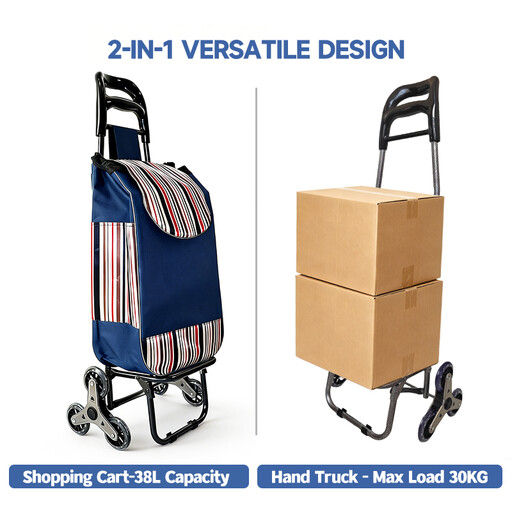
Why This Fits Their Persona: Its compact collapsible format suits smaller weekly shops, flats and homes where storage space is limited. The ergonomic handle is practical for regular grocery runs.
The compact format helps avoid buying a bulky trolley for light or moderate loads. Confirm the folded size and maximum capacity before ordering.
Compact collapsible design; ergonomic handle; stair-climbing wheel format.
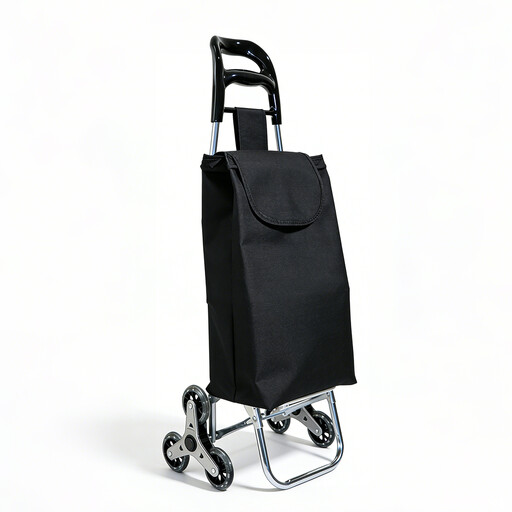
Why This Fits Their Persona: This large-format option is suited to shoppers who want a structured trolley for weekly groceries, laundry, picnics or transporting household items.
The stated Oxford fabric and metal frame offer more structure than an unsupported fabric bag. Load only within the published limit and secure the frame before use.
Oxford fabric bag; metal frame; foldable construction; ergonomic handle.
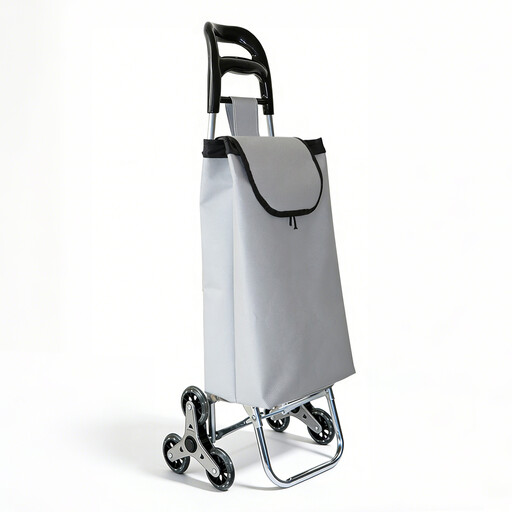
Why This Fits Their Persona: The large-size format is a practical match for heavier grocery collections, laundry transport and repeated use by households with stairs or uneven access routes.
Its stair-climbing wheel system is intended to assist with steps, while the frame and fabric bag provide a defined load area. It still requires controlled handling and must not be overloaded.
Large-capacity format; Oxford fabric; metal frame; plastic wheels; foldable design.
Before the first trip, unfold the frame fully and check that every locking mechanism is engaged. Distribute heavy items low in the bag to reduce tipping, and keep bottles upright where possible.
After use, wipe Oxford fabric with a damp cloth and mild soap. Keep the metal frame dry to reduce the risk of corrosion. Periodically inspect the wheels, screws, handle and frame joints. If a wheel becomes loose or damaged, stop using the trolley until it has been made safe.
For stair use, keep the trolley close to your body, avoid sudden pulling and take one step at a time. A grocery trolley with wheels is not a substitute for a handrail or safe lifting practice.
We have compiled a complete, real-time list of products that fully satisfy these strict selection criteria and UK safety regulations.
They can be suitable when the frame, handle height and loaded weight are manageable for the individual. The stair-climbing feature assists movement but does not make stairs risk-free. Users should move slowly, use a handrail where available and follow the product’s safety instructions.
Lifespan depends on load frequency, pavement quality, moisture and maintenance. Avoid exceeding the stated capacity, keep the frame dry and check wheel fixings regularly. A trolley used for heavy loads on rough surfaces will generally experience more wear than one used for occasional light shopping.
There is no fuel or electrical running cost for a standard reusable grocery trolley. The likely long-term costs are replacement wheels, loose fixings or damage caused by overloading. Checking the construction and care requirements before purchase can help reduce avoidable maintenance.