What matters when choosing?
Start with the batch you actually make, then check whether the mixer can be operated, cleaned and stored in the space everyone shares.
| Concern |
What to check |
Who this matters to |
| Dense-dough batch size |
Compare your finished batch weight with the exact model’s dough or yeast-dough limit, and check the dough tool. Do not treat a flour maximum as a finished-dough maximum. |
If I make bagels frequently, I need to know whether my normal batch falls within the mixer’s stated limit rather than judging by the bowl. Around 42% of consumers put batch suitability first. |
| Cleaning and handover |
Check care instructions for the bowl, hook and other food-contact parts; agree who cleans them between uses. For food-business use, include the mixer in the kitchen’s allergen controls. |
When different people prepare food on the same equipment, I want a clear cleaning handover so ingredient residues are addressed. For around 33% of consumers, that is the primary concern. |
| Shared space and storage |
Measure the operating and storage spaces, including access to the bowl or mixer head, and check the model’s weight if it will be moved. |
If the worktop must be freed for other users, I need a machine I can accommodate and put away without disrupting the kitchen. Space is the main concern for around 25% of consumers. |
Joybuy stand mixers for this task
These stand mixers are relevant to preparing dough in a shared kitchen. Check each exact model’s dough limit, supplied tools and care instructions against your batch and handover routine before choosing.
 No image available
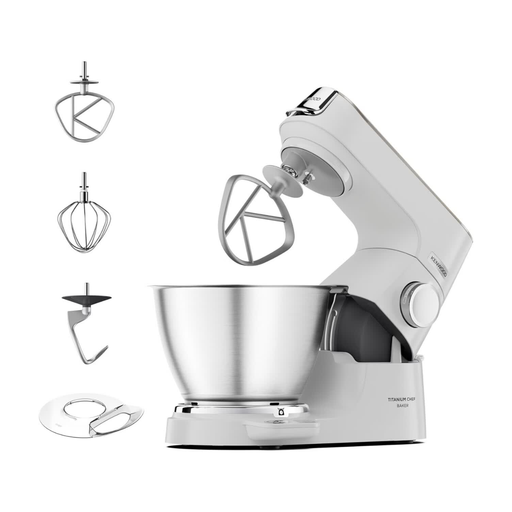
Kenwood Chef Baker KVC65.001WH, white
Consider this model if you can allocate a fixed place for bagel-dough preparation. Compare your finished batch with its model-specific dough guidance, and check care instructions for every part that will be shared.
View on Joybuy
 No image available
Kenwood Prospero+ KHC29.A0SI, silver, 4.3 L
Consider its 4.3 L bowl when comparing mixers for an allocated shared-kitchen space. The product name specifies 1,000 W and three bowl tools; confirm the supplied dough tool and follow the exact model’s batch guidance rather than using either figure as a dough limit.
View on Joybuy
 No image available
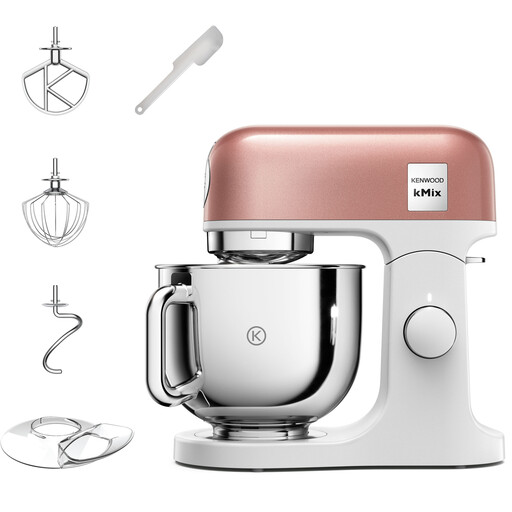
Kenwood kMix Editions KMX760API, Apricot Pink
For repeated use in a shared kitchen, compare your bagel recipe with the KMX760API’s instructions for stiff yeast dough. Check the care instructions for the bowl and supplied food-contact parts, and measure the space needed to operate and store it.
View on Joybuy
 No image available
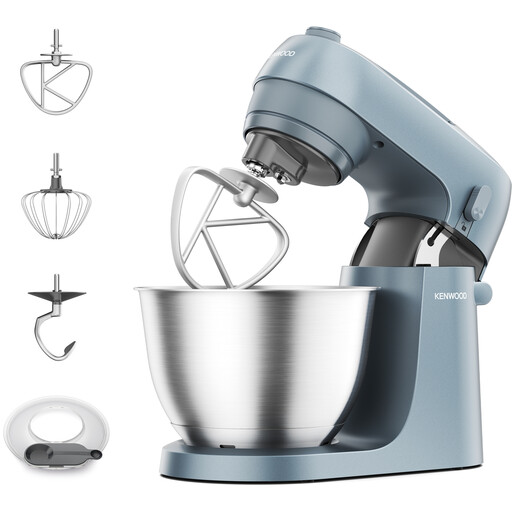
Kenwood Go KZM35.000GY, listed in blue
If cupboard space and moving the mixer are important, check this model’s appliance dimensions and handling weight against your setup. Confirm its permitted dough batch, cleaning instructions and delivered colour before choosing it for shared use.
View on Joybuy
 No image available
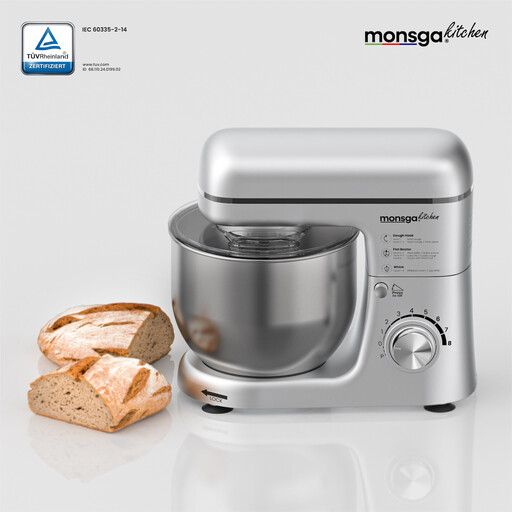
Monsga SM100, 5.0 L bowl, eight speeds
This model’s named dough hook makes it relevant to the bagel-dough task, but check the permitted batch before committing to a recipe. Its product name specifies a 5.0 L stainless-steel bowl and eight speeds; also confirm the appliance footprint and cleaning instructions for shared use.
View on Joybuy
Frequently asked questions
Should I choose a bagel-dough mixer by bowl size or dough capacity?
Use the exact model’s dough or yeast-dough limit to assess your batch; bowl size is a separate measure. Kenwood GB, for example, states a 2.42 kg dough capacity for the Chef XL KVL4100W alongside its 6.7 L bowl. Keep flour-only limits distinct from finished-dough weights.
Is a bowl-lift mixer necessary for frequent bagel making?
A bowl-lift mixer is worth comparing for frequent, heavy dough mixing, but it is not necessary for every batch or shared kitchen. KitchenAid UK describes bowl-lift models as generally preferred for frequent, heavy use; check the chosen model’s limit, tool, footprint and bowl access before deciding.
How should users hand over a mixer in a shared kitchen?
Agree who cleans the bowl, dough tool and other food-contact areas after each use, then follow the appliance’s care instructions. Food Standards Agency MyHACCP guidance emphasises equipment that can be adequately cleaned and maintained; a food business should also account for the mixer in its food-safety procedures.
When do allergen procedures matter for a shared mixer?
If the kitchen operates as a food business in England, Northern Ireland or Wales, GOV.UK guidance says operators must provide allergen information and manage food allergens effectively. Plan how the mixer and its parts are cleaned between preparations involving different ingredients; do not extend that stated jurisdictional guidance to Scotland without checking the applicable requirements there.


