High-volume bake-sale bakers
If you need larger quantities or repeated mixes, an exact model's stated cake-mixture capacity matters more than bowl volume alone. A second bowl can also help when moving between batters or icing.


Choose a stand mixer by the amount of chocolate-cake batter you need per batch, then decide whether built-in weighing or mixing programmes would save you useful preparation steps. A model with a stated cake-mixture capacity helps you plan a larger sale; a smaller tilt-head mixer may suit repeat batches and everyday baking if you can accommodate more mixing runs. Check the supplied tools and bowls for the exact model, as well as the food-sale requirements that apply to your event.
If you need larger quantities or repeated mixes, an exact model's stated cake-mixture capacity matters more than bowl volume alone. A second bowl can also help when moving between batters or icing.
If you regularly weigh ingredients as you add them, an integrated scale may remove a separate weighing step. Check whether a model also offers a cake-mix programme if that would help your workflow.
If the sale calls for modest batches, consider how the mixer will fit into everyday baking afterwards. Check the bowl, supplied tools and model-specific repair support without assuming bowl litres establish a batter limit.
Work out the batter quantity in your recipe before comparing mixer capacity; then weigh the value of preparation features against the space and equipment you want to keep after the sale.
| Concern | What to check | Who this matters to |
|---|---|---|
| Batch capacity | Compare your recipe's batter weight with the exact model's stated cake-mixture limit. Check whether a second bowl is supplied for repeat mixes. | I need enough cake for the sale without dividing every recipe into too many runs. Around 42% of consumers would put batch capacity first. |
| Preparation workflow | Check for integrated weighing and, if useful to you, a cake-mix programme; follow your recipe's mixing instructions. | When I am preparing several cakes, I want fewer separate weighing and mixing-management steps. Around 33% of consumers would prioritise that workflow. |
| Everyday ownership | Check the mixer's space requirements, included tools and model-specific guarantee or repair support. | After the sale, I still need a mixer that suits my usual baking and the space I have for it. For around 25% of consumers, everyday ownership would be the primary concern. |
Bowl volume does not tell you the maximum cake-mixture weight specified for a mixer. Kenwood GB states a 4kg cake capacity for KVL85.004SI, while Bosch GB states up to 3.5kg of cake mixture for MUMS6ZM00G.
Check the cake-mixture limit for the exact model and plan your recipe quantities around it; do not convert another model's bowl size into a weight limit.
Bowls and mixing tools vary by model and variant, which affects how easily you can move from cake batter to another mix.
Read the exact variant's contents list before buying. Kenwood GB lists two bowls for KVL85.004SI, while KitchenAid UK lists a bowl and three stainless-steel mixing tools for 5KSM193.
How cakes are prepared, packaged and sold can affect the allergen information needed. Food handling also needs attention when preparing for a community event.
Check your event and selling arrangement with the relevant local authority, prepare accurate ingredient and allergen information, and follow appropriate cleaning, chilling and cross-contamination controls. Food Standards Scotland gives those handling checks in its community-events advice.
The Titanium Chef Baker XL KVL85.004SI is worth comparing if large cake batches and weighing into the mixer are priorities.
The MUMS6ZM00G combines a large bowl and integrated weighing for bakers considering fewer separate preparation steps.
The Artisan 5KSM193 offers a 4.7L tilt-head format for bakers considering smaller batches and continued home use.
These stand mixers are choices for preparing cake batter in repeated batches. Compare each exact model's permitted cake-mixture quantity and supplied tools with your recipe before deciding how many mixing runs you will need.
 Image unavailable
If you want to weigh ingredients while preparing repeat batches, check how this model's weighing arrangement and permitted cake-mixture quantity fit your recipe.
 Image unavailable
For a cake recipe made in several runs, confirm that the supplied mixing tools suit it and check the permitted cake-mixture weight separately from the bowl's 4.3L volume.
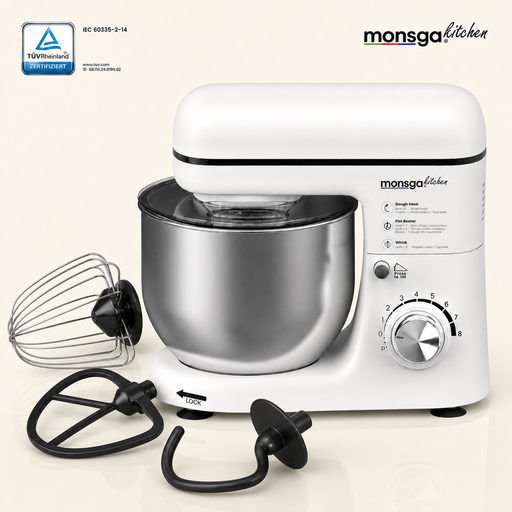 Image unavailable
If bowl volume matters for adding ingredients, use the stated 5.0L figure as a bowl specification, not a cake-batter limit. Check the permitted mixture weight before planning a batch.
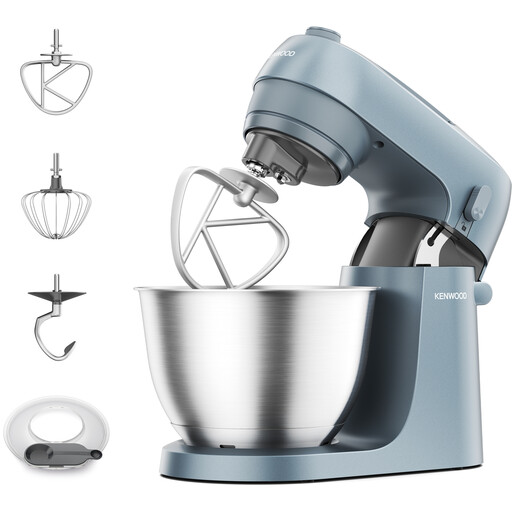 Image unavailable
If storage space matters after the sale, measure where the mixer will go. Check its permitted cake-mixture quantity against your recipe before deciding how many batches to make.
 Image unavailable
For bake-sale preparation, check whether the stated domestic-use restriction suits your plans. Confirm the exact variant and permitted cake-mixture quantity rather than using the 6.5QT bowl size as a batter limit.
Compare the batter weight in your recipe with the exact mixer's stated cake-mixture capacity, then divide the quantity accordingly. Kenwood GB states 4kg for KVL85.004SI and Bosch GB states up to 3.5kg for MUMS6ZM00G; those figures should not be transferred to other models or inferred from bowl litres.
A second bowl can help if you want to move between batters or make icing without washing the bowl between tasks. Kenwood GB lists 7L and 5L bowls for KVL85.004SI; check the contents of any other exact variant before relying on a second bowl being included.
The information required depends on how your event and cakes are classified and how the cakes are packaged and sold. GOV.UK says food businesses must provide information about any of the 14 mandated allergens in non-prepacked food; Food Standards Scotland also sets out allergen-information duties for food businesses. Check your particular arrangement with the relevant local authority before the sale.
Plan for clean equipment and preparation areas, appropriate chilling where food requires it, thorough cooking and avoiding cross-contamination. Food Standards Scotland highlights these controls in its advice for community and charity events.