What matters when choosing?
Set your intended batch size first, then check the space allocated to the mixer and how its parts will be cleaned between users. A bowl’s volume alone does not establish how much of a particular biscuit dough the machine can mix.
| Concern |
What to check |
Who this matters to |
| Batch capacity |
Compare bowl volume with the exact model’s recipe or dough-load guidance and check that a suitable mixing beater is supplied. A general dough limit is not necessarily a biscuit-dough limit. |
If I make enough dough for a group, dividing every recipe would interrupt the session; roughly 27% of consumers put batch capacity first. |
| Cleaning and handover |
Check the cleaning instructions for the bowl, beater and guard, and agree who cleans, dries and inspects them before the next user starts. |
When different people use the same equipment, I need a clear handover that accounts for ingredient residues and allergens; around 33% of consumers make cleaning and handover their primary concern. |
| Worktop and storage space |
Measure the allocated worktop and storage area, including room to raise a tilt head, and compare the model’s dimensions and weight. |
If the mixer has to go back into a cupboard after each session, I need to be able to move and store it; approximately 20% of consumers prioritise its footprint and storage. |
| Ingredient addition and workflow |
Check the supplied guard, speed controls and beaters, including whether the chosen tool reaches the mixture adequately at your usual batch size. |
Adding flour and changing tools should not repeatedly disrupt a shared session; roughly 20% of consumers put everyday workflow and mess control first. |
Brands to consider for this use
These examples illustrate different bowl sizes and workflows; the stated features apply to the named models or ranges, not to every mixer carrying the brand.
Kenwood
The Chef XL KVL4110S is a large-bowl reference for repeated sessions where the mixer can have a settled position.
- Kenwood states that this model has a 6.7L dishwasher-safe bowl, a 910g pastry-flour capacity, a 2.42kg dough capacity, three core tools and a splashguard. These capacities are not biscuit-recipe guarantees.
- Its stated 9.17kg weight and 38.5 × 28 × 34.5cm dimensions make the lifting and storage plan particularly important.
KitchenAid
The Artisan 5KSM175PS offers a two-bowl tilt-head arrangement for staged preparation and shared-kitchen handovers.
- KitchenAid lists 4.7L and 3L stainless-steel bowls, a paddle, flex-edge beater, whisk, dough hook and pouring shield for this model.
- The 4.7L main bowl is smaller than the cited Kenwood Chef XL bowl. Check the intended recipe load rather than assuming either bowl volume establishes biscuit-dough capacity.
Bosch
The MUM5XW40G is worth considering when the allocated worktop matters more than having a large bowl.
- Bosch lists a 3.9L stainless-steel bowl, integrated scale, seven speeds and dimensions of 282 × 280 × 271mm for this model.
- Its bowl is smaller than those of the other named examples here. Check the manual against the batch you intend to make.
Smeg
Smeg’s stand-mixer range provides a medium-bowl option for users interested in a gradual start when adding dry ingredients.
- Smeg describes a 4.8L bowl, 10 speed settings and Smooth Start on its stand-mixer range page.
- Confirm the exact SMF model’s dimensions and supplied tools; a range description does not establish that every bundle is identical.
Joybuy stand mixers for biscuit dough
These stand mixers offer different bowl sizes and storage considerations for shared-kitchen biscuit making. Check the intended recipe load and cleaning instructions for the exact model, particularly when several people will use it.
 No image available
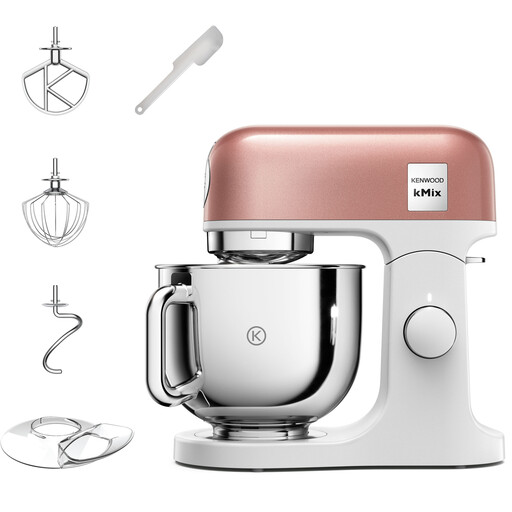
Kenwood kMix Editions KMX760API, Apricot Pink
Consider this model if you want a stand mixer for ordinary biscuit-making sessions. Check its permitted biscuit batch size, supplied mixing tool and the cleaning instructions for each part before adding it to a shared-kitchen routine.
View on Joybuy
 No image available
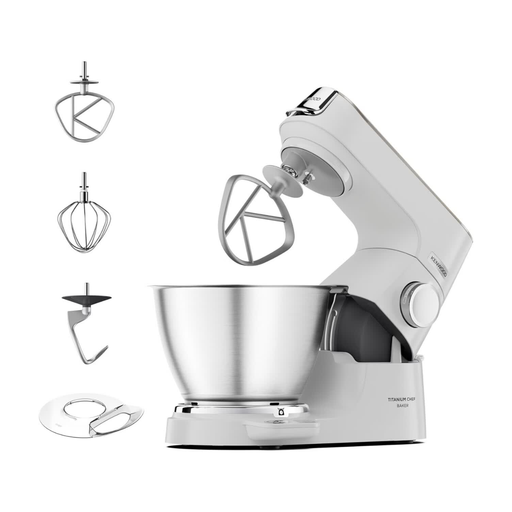
Kenwood Chef Baker KVC65.001WH, White
Consider this model where weighing ingredients during preparation is useful. Confirm the permitted load for your biscuit recipe and plan a stable position if the mixer will be shared rather than carried between work areas.
View on Joybuy
 No image available
Kenwood Prospero+ KHC29.A0SI, Silver, 4.3L
The 4.3L bowl makes this a candidate for a modest batch where storage space matters. The product name lists three bowl tools and a 1000W rating; check which tool suits your recipe, its permitted load and the exact parts’ cleaning instructions.
View on Joybuy
 No image available
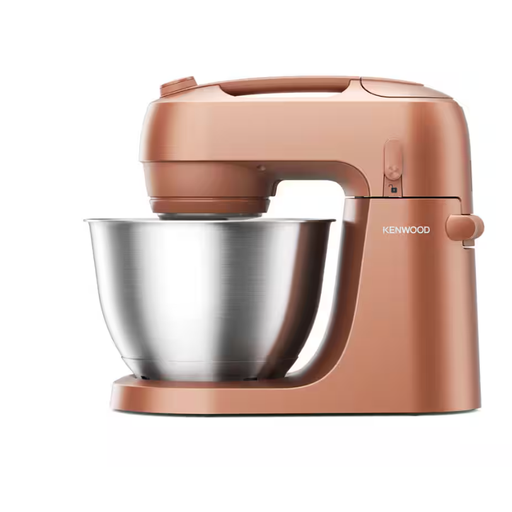
Kenwood Go Stand Mixer, Red Clay
Consider this model if the mixer must be stored between shared-kitchen sessions. Measure the allocated space and check the manual for your biscuit batch size and for how its bowl and tools should be cleaned.
View on Joybuy
 No image available
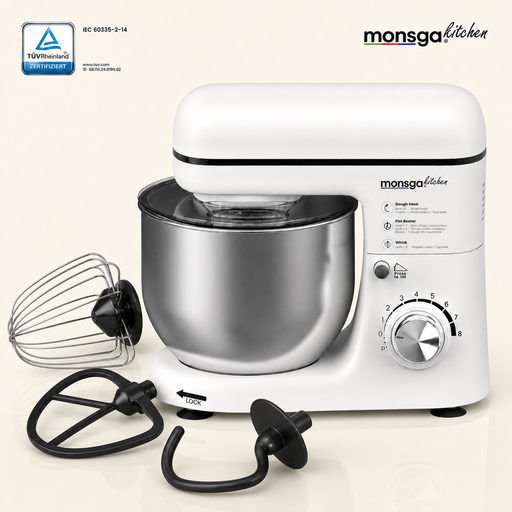
MONSGA SM100, Cream White, 5.0L
Consider the 5.0L bowl if your planned biscuit batches call for that size. The product name lists a beater, whisk, dough hook, splash guard and eight speed settings; confirm the permitted recipe load, physical dimensions and cleaning instructions before buying.
View on Joybuy
Frequently asked questions
Do I need a large stand mixer for biscuit dough?
Not necessarily: a larger bowl is most useful when your intended recipes would otherwise need splitting. Kenwood states that the Chef XL KVL4110S has a 6.7L bowl and a 910g pastry-flour capacity, but those figures do not guarantee a load for every biscuit dough. For smaller sessions, check the exact model’s recipe guidance as well as the space it occupies.
How should several people share one stand mixer?
Agree who cleans, dries, checks and stores the bowl, tools and guard before the next user starts. Food Standards Agency MyHACCP guidance highlights contamination controls in shared facilities; if the kitchen handles allergens, include the mixer in its wider preparation and cleaning procedures.
If we sell the biscuits, do we need to register a food business?
If the activity is a food business in an area served by the Food Standards Agency registration service, the Agency says to register with the local authority at least 28 days before trading or starting food operations. For premises in Scotland, check the applicable route with Food Standards Scotland or the local authority; private baking is a different situation.
Does a shared-kitchen mixer need an annual PAT test?
An annual portable-appliance test is not a universal legal requirement for workplaces in Great Britain. The Health and Safety Executive says electrical equipment must be maintained to prevent danger, while the checks and their frequency depend on risk and use. Follow the kitchen operator’s inspection process and do not use damaged equipment.
Is a clean mixer bowl enough to manage allergens?
No: the bowl is only one part of allergen control when preparing food for sale. The Food Standards Agency advises food businesses to provide allergen information and use preparation and hygiene practices that avoid cross-contamination. Consider the ingredients, utensils, other mixer parts, storage and cleaning process together.


