Bakers making several batches
If you are preparing multiple loaves in one session, the stated dough capacity helps you work out how many separate batches your recipes will require.


Choose a stand mixer by the dough weight you need to knead in each batch, not by bowl volume alone. A higher manufacturer-stated dough capacity may mean fewer batches for a bake sale, but check that the exact model has a suitable dough tool and that its size fits your kitchen. Capacities described as bread dough, yeast dough or dough may be based on different manufacturer conditions, so treat them as planning limits rather than directly comparable performance results.
If you are preparing multiple loaves in one session, the stated dough capacity helps you work out how many separate batches your recipes will require.
If you want the mixer to knead while you measure ingredients or prepare other bakes, check the supplied dough tool and the controls you would use for repeat batches. Automatic programmes are an optional consideration, not a substitute for the model’s load limit.
If the mixer will spend most of its time in a cupboard, consider its dimensions and weight alongside the number of dough batches you are willing to make.
Work out the dough weight for one recipe batch, then check the exact mixer’s stated limit; only after that should bowl size, controls and storage space decide between suitable models.
| Concern | What to check | Who this matters to |
|---|---|---|
| Dough capacity | Compare your intended single-batch weight with the exact model’s stated dough limit in kg; treat bowl litres separately. | With several loaves to prepare, I want each batch to fit within a stated dough limit rather than split it unnecessarily. Around 46% of consumers put batch capacity first. |
| Kneading workflow | Check the supplied dough tool and controls; consider an automatic programme only if you would use it. | When I have other bake-sale preparations to manage, I want a kneading routine I can repeat without losing track of the dough. Consistent workflow is the primary need for around 36% of consumers. |
| Storage and occasional use | Check the mixer’s dimensions, weight and clearance for accessing its bowl. | If I will use the machine only occasionally, I need somewhere practical to keep it, even if that means making smaller batches. Around 18% of consumers place storage practicality first. |
A bowl’s capacity does not tell you the permitted bread-dough load. KitchenAid UK states a limit of up to 3.7 kg of bread dough for the 5.6 L 5KSM60SPX, while Bosch Home UK lists 3.0 kg of yeast dough for its 5.5 L Series 6; those descriptions also need to be read under each maker’s own conditions.
Plan each batch against the exact model’s stated dough limit, leaving room below the maximum rather than treating every litre of bowl space as usable dough capacity.
A motor rating alone does not establish how much dough a mixer is specified to handle. Bosch Home UK lists 1600 W for Series 6, while Kenwood GB lists 1200 W for the Titanium Chef Baker XL KVL85.004SI; each also has a separately stated dough capacity.
Check the model’s dough limit and supplied tool alongside its power rating instead of using watts to rank machines across brands.
A machine chosen to reduce batch splitting still needs a usable worktop position and storage space. KitchenAid UK describes bowl-lift mixers as taller and larger than tilt-head designs.
Measure the intended space, including room to remove a full bowl or raise the head where applicable.
GOV.UK says food supplied at community or charity events in England, Northern Ireland and Wales must comply with food law and be safe to eat. The requirements relevant to your sale depend on how the food is prepared, packaged and supplied.
Keep track of ingredients and allergens for each bake, check the requirements that apply to your event and ask the relevant local authority if you are unsure about registration.
The Artisan bowl-lift 5KSM60SPX is a reference point for bakers considering a larger single dough batch.
Bosch’s Series 2, Series 4 and Series 6 give bakers different size and stated-capacity options to examine.
The Titanium Chef Baker XL KVL85.004SI is relevant when weighing ingredients into the bowl and using two bowl sizes would help with a preparation session.
These Kenwood mixers are options to consider for kneading bread dough, particularly if you are willing to plan separate batches. Before settling on one for a bake sale, confirm the exact model’s dough limit against your recipe and check the supplied tools.
 Image unavailable
Consider this model if weighing ingredients during repeated preparation matters to you; check its stated dough limit before setting a bake-sale batch size.
The Joybuy listing identifies a 4.6 L bowl and 1200 W motor for the KVC65.001WH. Bowl volume does not establish its permitted dough load.
 Image unavailable
For smaller individual batches, check whether its dough limit and supplied kneading tool suit your recipe before planning the full production run.
The product title specifies a 4.3 L bowl, 1000 W motor and three bowl tools; confirm which tools come with this variant.
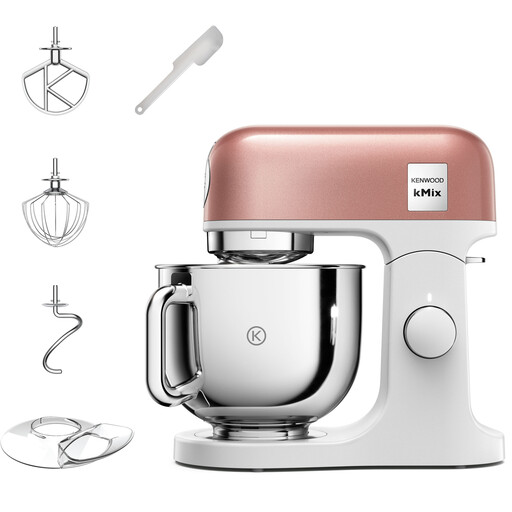 Image unavailable
This is worth considering if you expect to knead separate batches and want to check how its controls fit your routine.
Confirm the stated limit for your dough and any running and resting instructions for repeated heavy batches before scheduling the bake.
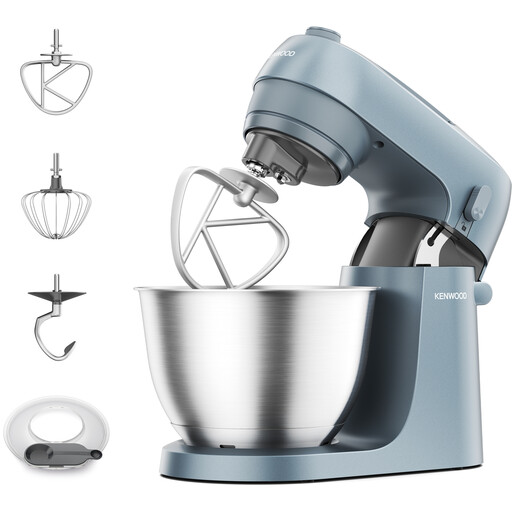 Image unavailable
If cupboard or worktop space is a priority, compare this model’s dimensions with the space you have and check its dough limit before planning batches.
Confirm the colour variant before ordering, as the product title and descriptive colour differ.
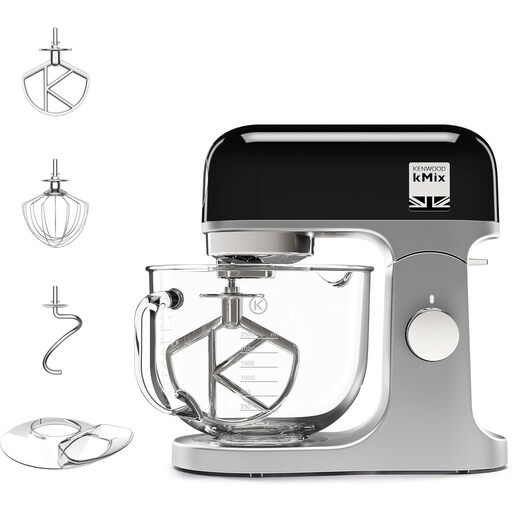 Image unavailable
The listed dough hook makes this a model to examine for kneading, provided its stated dough limit fits your intended batch.
The title specifies a 5 L bowl, 1000 W motor, K-beater, whisk and dough hook. Confirm the bowl material for this SKU before buying.
Choose by the weight of dough you intend to knead at once, then compare that weight with the exact model’s stated dough capacity. KitchenAid UK states up to 3.7 kg of bread dough for the 5KSM60SPX, Bosch Home UK lists 3.0 kg of yeast dough for Series 6, and Kenwood GB lists 2.56 kg of dough for the KVL85.004SI. Those manufacturer descriptions need not use identical dough recipes or conditions, so do not treat the figures as a direct performance test.
A bowl-lift model is worth considering if its stated dough capacity fits your batches and you have space to use and store it. KitchenAid UK says the 5KSM60SPX bowl locks at three points for heavy mixtures, but also describes bowl-lift models as taller and larger than tilt-head mixers.
No: an automatic programme is an optional workflow feature, not a replacement for a suitable dough tool or the model’s load limit. Bosch Home UK describes sensor-led programmes for Series 6; decide whether that kind of assistance would help with your preparation routine before making it a purchasing priority.
Yes, check the food-safety and allergen requirements that apply to the way you supply your bakes. GOV.UK says food at community or charity events in England, Northern Ireland and Wales must comply with food law and be safe to eat. Keep ingredient records and ask the relevant local authority about registration or event-specific requirements if you are unsure; confirm the applicable guidance locally for a sale in Scotland.