Small-batch lunchbox bakers
You usually make one tray of brownies at a time and want a mixer that is practical to store, set up and clean, rather than choosing around maximum dough capacity.


For a single lunchbox brownie batch, start with a mixer that has a suitable supplied beater, controllable low speeds and a bowl and footprint that fit your usual recipe and kitchen. A larger machine makes more sense if you also plan to make bigger cakes, doughs or repeated batches, but its weight, storage needs and attachment compatibility deserve closer attention.
You usually make one tray of brownies at a time and want a mixer that is practical to store, set up and clean, rather than choosing around maximum dough capacity.
You make brownies and cakes often enough to value a supplied flat beater, paddle or equivalent tool, low-speed control and hands-free mixing.
Brownies are the immediate reason to buy, but you also plan larger cakes, bread dough or optional attachments. Bowl size, handling and exact attachment compatibility matter more to you.
For lunchbox brownies, compare the quantity you normally mix with the machine’s size before considering extra capacity. Then check the supplied beater, low-speed control and care instructions for the exact model.
| Concern | What to check | Who this matters to |
|---|---|---|
| Batch size and space | Compare bowl volume, machine dimensions and weight with your usual batch and available storage space. A maximum cake capacity does not tell you how well a mixer handles a small batch. | If I usually bake one tray, I want a mixer I can store and move without choosing around batches I rarely make; around 36% of consumers put batch size and space first. |
| Mixing control | Check for a supplied flat beater, paddle or equivalent, and a speed setting suitable for your recipe’s mixing stages. | When I make brownies regularly, I want to combine the batter with the intended tool and control the speed as ingredients are added; around 29% of consumers prioritise mixing control. |
| Cleaning | Read the care instructions separately for the bowl and each tool; dishwasher guidance can differ between parts. | After a small evening bake, I want the bowl and tools to be manageable to clean; around 21% of consumers make cleaning their primary concern. |
| Broader baking plans | For planned larger bakes, compare stated capacities and included tools. Match any optional attachment to the exact mixer model. | If brownies are only one of my regular bakes, I need room for larger recipes or compatible attachments; around 14% of consumers put broader baking plans first. |
A larger mixer can take more counter or cupboard space and be harder to move. Bosch advises matching bowl size to recipe quantities and available space; Kenwood lists its kMix KMX754ABK at 9.26 kg.
Start with the batch you make most often. Choose extra capacity when larger cakes, doughs or repeated batches are part of your plans.
Kenwood’s attachment guide distinguishes between machine connections and identifies some attachments that require an adapter.
Match the attachment product code to your exact mixer model, and check whether an adapter is needed before buying it.
Care instructions can differ even within one mixer. KitchenAid says the bowl, paddle and dough hook for its 4.3 L Classic are dishwasher-safe, while its whisk needs washing by hand in warm soapy water.
Check the instructions for each tool you expect to use and unplug the mixer before cleaning it.
Electrical Safety First advises checking for a UK 3-pin plug and fuse and cleaning an electric mixer only after unplugging it.
Check the plug and seller details before purchase, then follow the manufacturer’s operating and cleaning instructions.
Its 4.3 L Classic tilt-head model is a baking-focused option for buyers who want a supplied paddle and a choice of speeds.
Its mixer range includes different sizes and K-Beater-equipped baking models for buyers considering brownies alongside other recipes.
Its series offer a starting point for comparing a compact kitchen machine with larger formats.
These stand mixers offer compact and larger-bowl routes to consider for brownie batter. Compare their supplied tools and storage needs against the batch size you normally make.
 No image available
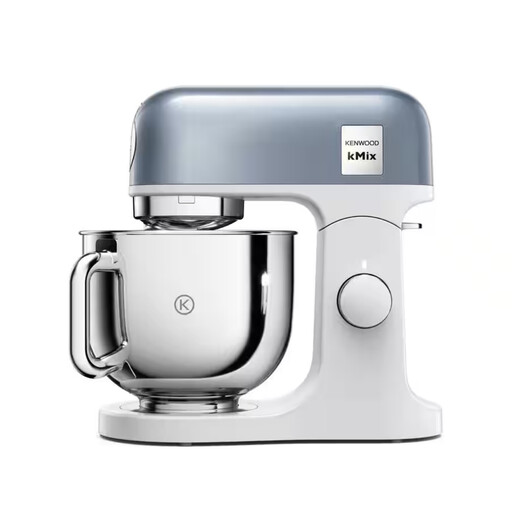
Consider this model if storage matters and you want a mixing beater for brownie batter. Its title specifies a 4.3 L bowl and three bowl tools; check how it handles your usual batch size and confirm the plug and fuse before purchase.
 No image available
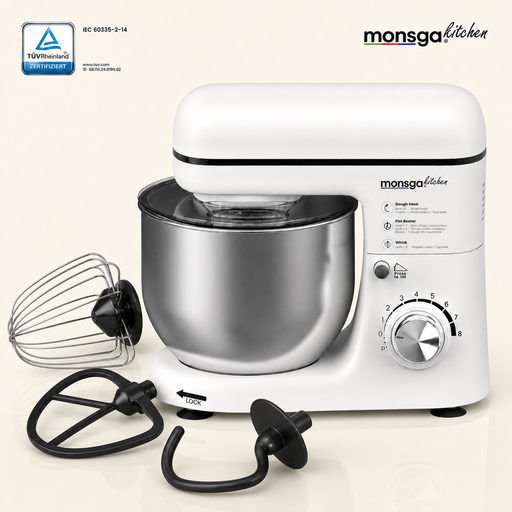
For brownies alongside larger bakes, consider its K-Beater and folding control against your recipe’s instructions. Allow for the handling and storage of a larger mixer, and check the fit of any optional attachment and the plug and fuse.
 No image available
For brownie batter, check which of its eight speed settings suits your recipe’s mixing stages. The product title lists a beater and a 5.0 L bowl; that capacity does not establish how well it mixes a small batch. Confirm the plug and fuse before purchase.
 No image available
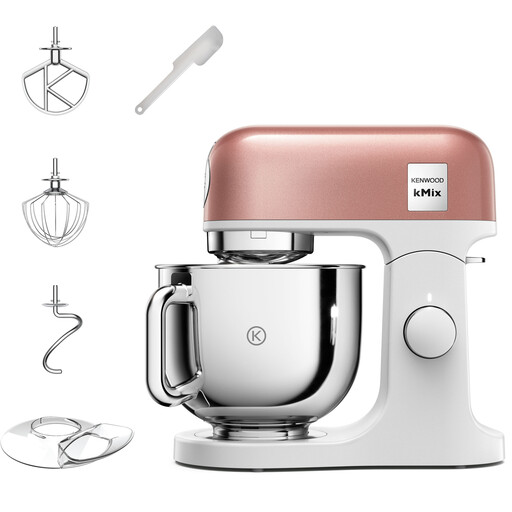
If you make brownies and other bakes, consider whether its K-Beater and folding control suit the recipes you use. Check the machine’s handling weight, care instructions for each tool, and plug and fuse before buying.
 No image available
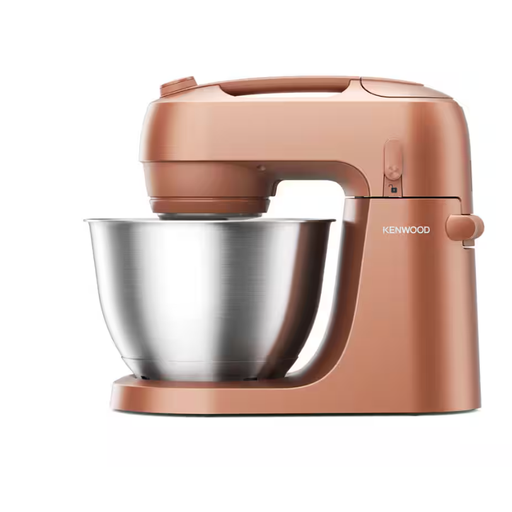
For a kitchen where storage matters, compare this model’s size with your available space. Consider its K-Beater for brownie batter, and check tool-care instructions, performance with your usual batch size, and the plug and fuse.
Use the tool specified by your recipe and mixer instructions, commonly a flat beater, paddle or equivalent. KitchenAid’s brownie recipe specifies a Flat Beater; Kenwood’s UK recipe uses a K-Beater at speed 2 to combine its main batter, then speed 1 after adding nuts.
A 5 L bowl is not a requirement for a single lunchbox batch. Choose around the quantities you actually make, while checking whether the exact model handles your smaller recipe; extra capacity is more relevant if you also plan larger cakes, doughs or repeated batches.
Check each attachment’s care instructions rather than assuming they are all dishwasher-safe. KitchenAid says the bowl, paddle and dough hook of its 4.3 L Classic are dishwasher-safe, but its whisk needs washing by hand in warm soapy water.
Check the plug, fuse and seller details for the mixer you intend to buy. Electrical Safety First advises checking for a UK 3-pin plug and fuse and unplugging an electric mixer before cleaning it; follow the manufacturer’s instructions for the exact model.