What matters when choosing?
Start with the volume of your recipe and the number of batches you can comfortably prepare, then check how the mixer handles whipping and the final, gentler stage.
| Concern |
What to check |
Who this matters to |
| Batch capacity and workflow |
Compare the exact model’s bowls and stated working capacities; leave room for ingredients to expand during whipping. |
If I am making several batches, I want fewer interruptions to change or wash bowls. Around 46% of consumers put batch capacity and workflow first. |
| Whipping and folding control |
Check for an included whisk, adjustable speeds and, if your recipe needs it, a gentle fold setting. |
When I whip components separately, I want control over aeration and the final incorporation stage; around 36% of consumers prioritise that control. |
| Space and everyday use |
Measure worktop and storage clearance, and check which tools come with the exact variant. |
I will make a modest buffet but still need a mixer that fits my kitchen afterwards. Space and routine use come first for around 18% of consumers. |
Joybuy stand mixers for this task
These stand mixers offer household bowl sizes for preparing chocolate mousse in planned batches. Compare the tools and stated bowl figures for the exact model against your recipe; none of the figures alone establishes a finished serving count.
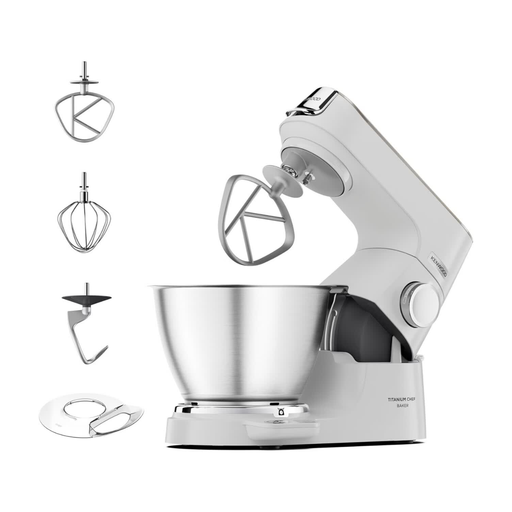 Image unavailable
Kenwood Chef Baker KVC65.001WH, white
Consider this stand mixer if you want a machine for mousse preparation as well as other mixing tasks. Check the exact bowl and included tools against your recipe before planning batch sizes.
View on Joybuy
 Image unavailable
Kenwood Prospero+ KHC29.A0SI, 4.3L, silver
The 4.3L bowl makes sequential batches worth planning for a buffet. The product title specifies 1000W and three bowl tools; check the exact tools supplied and allow headroom when whipping.
View on Joybuy
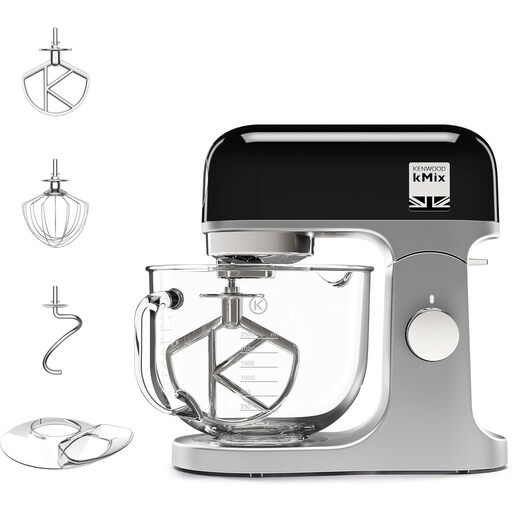 Image unavailable
Kenwood kMix KMX754BK, 5L, black
For a moderate buffet recipe, its stated 5L bowl and included whisk are relevant starting points. The title also lists a K-beater, dough hook and 1000W rating; confirm the bowl supplied and plan batches around recipe volume, not the brim-full figure.
View on Joybuy
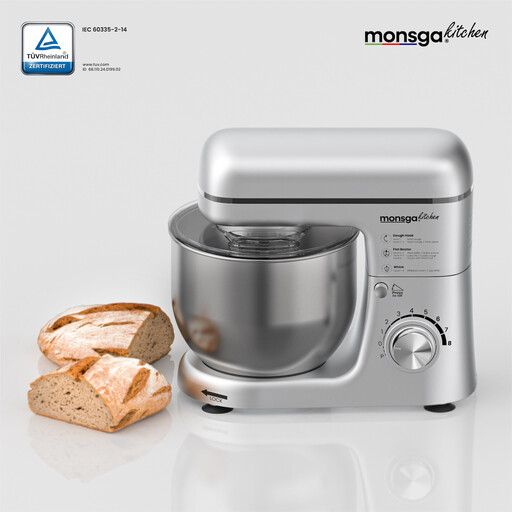 Image unavailable
Monsga SM100, 5.0L stainless-steel bowl
If you want adjustable whipping speeds, the title lists a whisk and eight speed settings. It also specifies a splash guard and 1000W peak power; check your recipe volume and the mixer’s dimensions before committing to a buffet batch plan.
View on Joybuy
 Image unavailable
Honinst 6.5QT tilt-head stand mixer
Its stated 6.5QT bowl gives you a larger nominal format to assess for repeated batches. The title lists 10 speeds, a whisk, beater and dough hook; confirm suitable working capacity and allow clearance for the tilt head.
View on Joybuy
Frequently asked questions
What bowl size do I need for buffet chocolate mousse?
Choose from your recipe’s ingredient volume and the number of batches you can make, not the nominal bowl figure alone. Larger 5.5L–7L formats can be useful for repeated preparation; a smaller bowl can work for a modest buffet if you leave whipping headroom and make separate batches.
Do I need a fold setting?
Not necessarily: it is relevant when your recipe calls for gentle incorporation after whipping, but you still need to follow the recipe’s method. Kenwood describes a fold function for the Titanium Chef Baker XL KVL85.004SI, and KitchenAid lists a delicate folding speed for the Artisan 5KSM70SHX; check the exact model’s tools and controls.
How should mousse that needs chilling be served at a buffet?
Plan chilled storage and suitable cold display rather than relying on the mixer or an unrefrigerated serving bowl. GOV.UK states that food businesses must keep chilled food at 8°C or below in England, Wales and Northern Ireland, with that temperature recommended in Scotland. Food Standards Agency catering guidance describes a limited four-hour exception when suitable chilled display is not possible; check the full conditions before relying on it.
Does a community or charity buffet have food-business obligations?
The requirements depend on how the food is supplied and whether the activity is treated as a food business. GOV.UK advises that food provided at community and charity events must be safe to eat; check your event’s circumstances with the local authority, including whether registration or allergen-information requirements apply.


