
24/7 Customer Support

Free returns

Same-day & Next-day Delivery

Quality Guaranteed

Unlock Your Welcome Offers: FREE Delivery | Up to 80% OFF | Free 30-day JoyPlus trial
Download the APP
A stand mixer can make bread, cakes, pastry and whipped mixtures easier to prepare, but choosing the wrong model may leave you with a bulky appliance that struggles with dough or spends most of its time in a cupboard. The key is to compare usable capacity, motor specifications, attachments and cleaning requirements rather than relying on impressive-looking headline numbers.
This guide highlights common buying traps and matches several electric stand mixer, food mixer and automatic dough maker options to different UK household needs.
A large bowl does not mean you can safely fill it to the rim. A mixer advertised as 6 litres may have a recommended working capacity closer to 5 litres, particularly when preparing dough that expands during fermentation.
For example, the Monsga SM100 lists a 6-litre maximum bowl capacity but recommends a 5-litre usable capacity. Always check the stated maximum flour or dough quantity for your recipes. Overfilling can cause splashing, poor incorporation and additional strain on the motor.
A 1000W stand mixer may sound more capable than a 600W model, but power ratings are not directly comparable across appliances. Some descriptions show peak power while others show rated or operating power. Motor design, gearing, speed control and the dough hook also affect performance.
For bread dough, look for a published dough or flour capacity and clear instructions about kneading time. For cakes and whipped mixtures, speed control and suitable tools may matter more than headline wattage.
A mixer may fit on a kitchen worktop but still be difficult to move or store. Check its height beneath cupboards, footprint and weight before ordering. A metal-bodied model can offer stability, although it may be less convenient to lift.
Also check whether the bowl and tools are dishwasher-safe. The motor housing should generally be wiped with a damp cloth rather than immersed in water. Attachments with coatings should be cleaned according to the supplied manual to avoid damaging their finish.
For couples or occasional bakers, a 4–4.3-litre bowl may provide enough room for everyday cakes and smaller batches. A 5-litre stand mixer is more suitable for family baking, several loaves or larger quantities of batter. Larger bowls are useful for batch preparation, but they need adequate cupboard and worktop space.
A dedicated bread dough mixer or automatic dough maker may be preferable if your main task is kneading and fermenting rather than whisking and beating.
A practical stand mixer should include:
A planetary mixer moves the attachment around the bowl while it rotates, helping it reach more of the mixture. Look for a splashguard or ingredient chute if you often add flour, liquids or flavourings during mixing.
Variable speed settings allow a gradual start for flour and more controlled whisking. A fold function can be useful for delicate mixtures. Non-slip feet, a head-locking mechanism and overload or overheating protection are practical features for domestic use.
For UK kitchens, check that the appliance is supplied for a 220–240V electrical supply, includes appropriate instructions and provides clear manufacturer or responsible-person details. Follow the manual, avoid extension leads where prohibited and unplug the appliance before changing tools or cleaning.
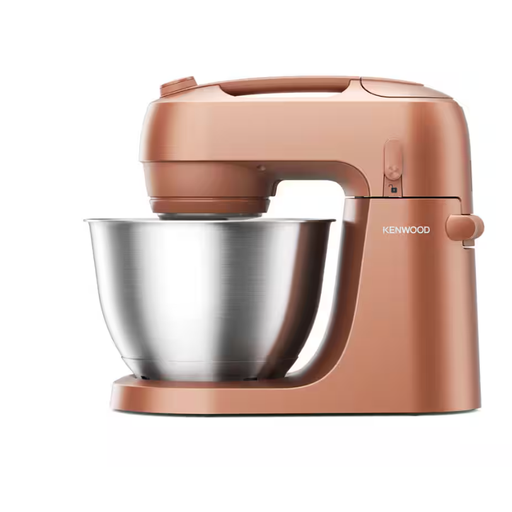
Why This Fits Their Persona: Its 4-litre bowl and approximately 30cm height suit first-time bakers and smaller UK kitchens where cupboard space matters.
The compact dimensions and integrated carry handle make it less demanding to store than a larger kitchen mixer, while the 800W motor has published mixing and kneading functions.
Includes a K-beater, whisk, dough tool, six speeds and pulse control, plus a splashguard with integrated measuring spoon.

Why This Fits Their Persona: Designed for frequent bakers who want weighing, mixing and attachment flexibility in one substantial appliance.
Its specifications state maximum capacities for cake, dough, egg whites and pastry flour, helping shoppers compare real workloads rather than bowl size alone.
The 1200W digitally controlled motor, built-in EasyWeigh scales, 4.6-litre bowl and compatibility with over 25 optional attachments support varied recipes.
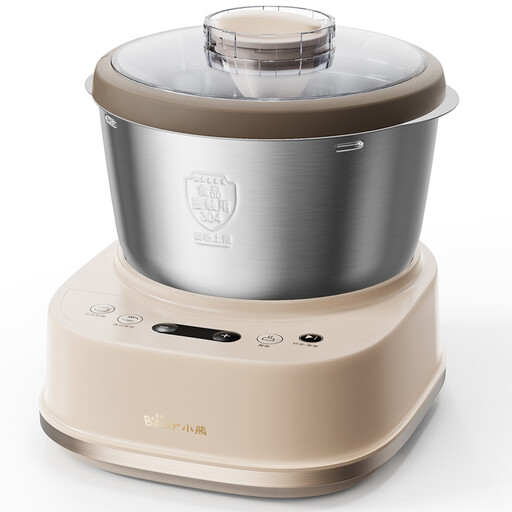
Why This Fits Their Persona: A practical match for households mainly preparing bread, pizza and other dough-based recipes, with automatic kneading and fermentation modes.
It states a 2.5kg dough capacity and approximately 400–1600g dry-flour range, giving clearer limits for dough-focused use than a generic motor claim.
The 5-litre stainless-steel bowl, automatic kneading and fermentation programmes, and stated 61dB operating level suit hands-off dough preparation.
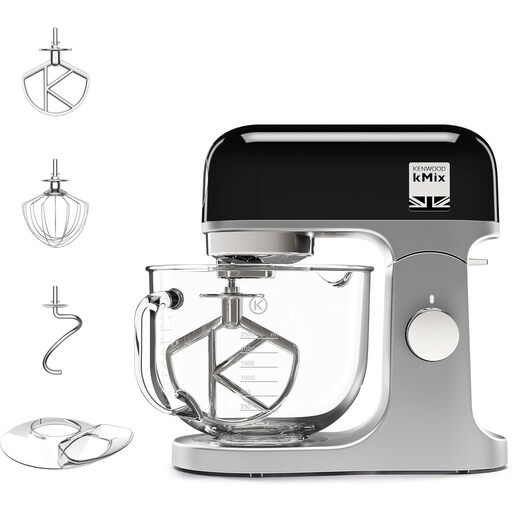
Why This Fits Their Persona: Its 5-litre glass bowl and three core tools are suited to families making cakes, bread and whipped desserts in regular batches.
The product specification identifies six speeds plus a fold function and names the included K-beater, whisk and dough hook, reducing uncertainty about everyday use.
The 1000W motor, planetary mixing action and slow-speed outlet support both baking and optional tasks such as pasta preparation.
We have compiled a complete, real-time list of products that fully satisfy these strict selection criteria and UK safety regulations.
Yes, provided the model lists a suitable dough hook and a published dough or flour capacity. Kneading places more load on the motor than whisking, so avoid exceeding the manufacturer’s limits and follow recommended operating times.
Lifespan depends on construction, frequency of use, recipe loads, cleaning and maintenance. A metal-bodied appliance may feel more stable, but careful use within the stated capacity is equally important. Keep the motor housing dry and inspect the cable, bowl and attachments regularly.
Energy use depends on the motor rating and how long the appliance runs. A higher wattage does not automatically mean higher running cost for every recipe, as kneading time and workload also matter. Shorter mixing programmes, correct batch sizes and avoiding unnecessary high-speed operation can help limit consumption.