Preparing several bake-sale batches
If you plan to make several fillings or other cake mixtures in one session, compare usable batch limits as well as bowl size, and allow room for the mixer on your worktop.


Choose a stand mixer around the amount of filling you plan to make in one session, then check that its included tools and speed control suit your recipe. A larger bowl may reduce the number of batches, while integrated scales or a smaller second bowl may be more useful when you repeat recipes or make varied quantities; bowl volume alone does not establish a suitable cheesecake-filling limit.
If you plan to make several fillings or other cake mixtures in one session, compare usable batch limits as well as bowl size, and allow room for the mixer on your worktop.
If you weigh ingredients for each batch, a model with integrated scales may simplify the steps between mixes. Check that its bowl and tools also suit the quantities in your recipe.
If cheesecake filling is one of several baking jobs, access to the bowl and an included smaller second bowl may matter more to you than maximum single-batch capacity.
For bake-sale preparation, decide whether your primary need is fewer mixing rounds, control while whisking or an easier workflow across different batch sizes. Features can coexist on one mixer, so compare the exact package rather than treating these needs as separate types of machine.
| Concern | What to check | Who this matters to |
|---|---|---|
| Batch capacity | Compare bowl volume with the stated mixture limit for the exact model, then measure the space available for it. | If I am making several fillings in one session, I want to avoid unnecessary transfers without choosing a machine too large to store. Around 38% of consumers put batch capacity first. |
| Mixing control | Check for an included whisk, usable speed settings and safe access for stopping to scrape down the bowl. | When working cream cheese into a filling, I want to adjust the mixing to my recipe rather than rely on wattage as a shortcut. For around 37% of consumers, controlled mixing is the primary need. |
| Repeat-batch workflow | Look at included bowls, integrated scales where offered, and the care instructions for the supplied parts. | If I weigh the same recipe repeatedly or finish with a smaller batch, I want the setup to fit both jobs. Making that workflow easier comes first for around 25% of consumers. |
A large bowl can suit a substantial preparation session, but its volume does not make it the more convenient choice for one cheesecake filling.
Plan your largest realistic same-day batch before comparing bowl sizes. Consider a smaller bowl or an included second bowl if your quantities vary.
A larger machine may also take up worktop and storage space that you need for other bake-sale preparation.
Power ratings do not establish how an individual mixer will handle your cheesecake recipe; bowl size, tools and controls also differ between models.
Compare the included whisk, speed settings, stated mixture limits and available kitchen space before considering wattage.
GOV.UK says a local authority may decide that registration is unnecessary for very limited and infrequent food activity. That is not an automatic exemption for every charity or school sale.
Ask the relevant local authority how your event will be treated before selling, particularly if the activity is repeated or organised as a business.
Clarifying the requirements before the event leaves time to complete any necessary registration or other preparations.
Cheesecake ingredients and toppings can vary between recipes. Food Standards Scotland says food businesses must make information about allergen ingredients available to consumers.
Keep an accurate ingredient record for each recipe, check the requirements for how your food is packaged and sold, and clean equipment to avoid cross-contact between recipes.
The Chef XL KVL4100W is a large-bowl reference point for a substantial baking session: Kenwood GB lists a 6.7 L bowl and a 5 kg cake-mixture capacity for this model.
The Series 6 MUMS6ZM00G is a reference point for repeat recipes: Bosch GB specifies integrated scales and a 5.5 L usable bowl volume.
The Artisan 5KSM175PS package offers a way to work with different batch sizes: KitchenAid UK lists 4.7 L and 3 L bowls.
These stand mixers cover different bowl formats and preparation workflows for cheesecake filling. Match the included tools, permitted quantities and space requirements to your planned bake-sale batches; the models below are not the same products as the brand examples above.
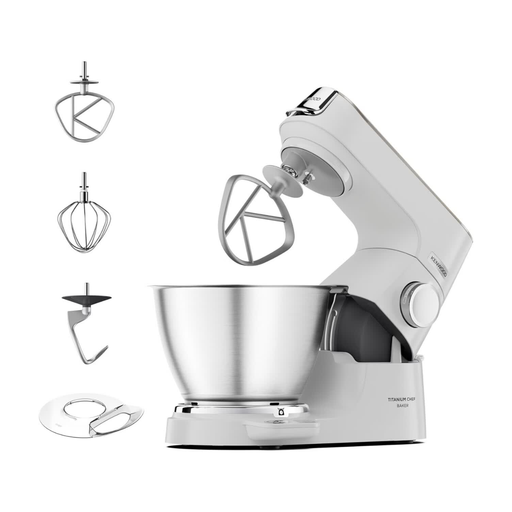 No image available
Consider this model if weighing ingredients at the mixer would simplify repeated cheesecake recipes. Check the included whisk and the permitted filling quantity for your recipe before deciding whether it suits your session.
 No image available
The 4.3 L bowl format is worth considering when you do not need a large-bowl machine. Confirm the whisk supplied with this package and the permitted cheesecake-filling quantity; the named 1,000 W rating does not establish either.
 No image available
The tilt head and included whisk may suit a recipe that requires adding ingredients and adjusting mixing speed. The stated use is limited to domestic amounts and operating times: check those limits and the permitted filling quantity before planning repeated or extended bake-sale preparation.
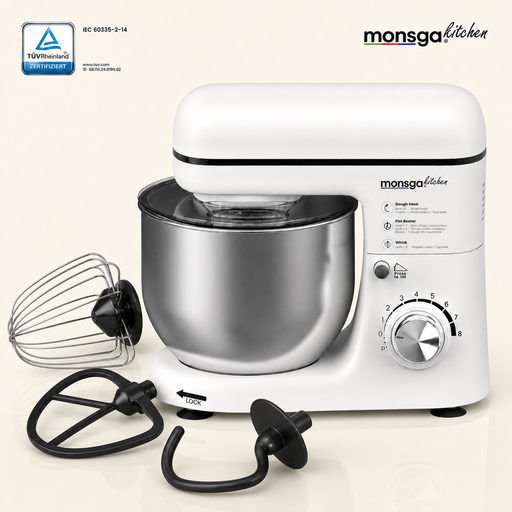 No image available
This model lists a whisk, eight speed settings and a splash guard for a recipe that calls for adjustable whisking. Confirm the permitted filling quantity, supplied bowl material and care instructions for the version you order; its named bowl volume is not a filling limit.
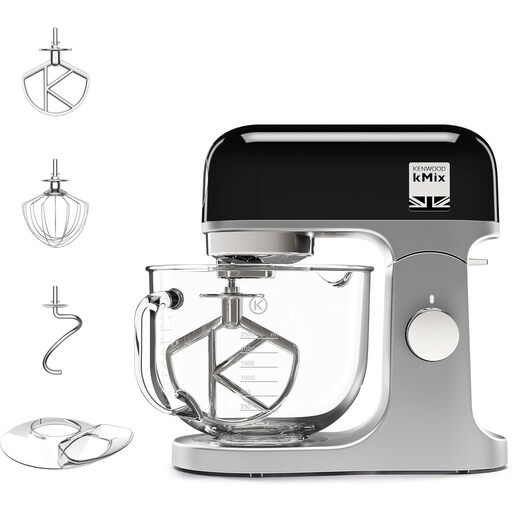 No image available
The named 5 L format and included whisk make this a model to consider for planned whisking batches. Check the permitted cheesecake-filling quantity and confirm the supplied bowl material and care instructions before choosing it for repeated preparation.
Ask the relevant local authority whether your particular sale requires food-business registration. GOV.UK says very limited and infrequent activity may not need registration if the local authority decides it is unnecessary; where registration is required under its food-business guidance, the stated deadline is at least 28 days before trading. In Scotland, Food Standards Scotland advises organisers to establish whether their activity needs registration, approval or an exemption before they start.
Keep an accurate ingredient record for each recipe and check the rules that apply to your sales format and location. Food Standards Scotland says food businesses must make information about allergen ingredients available to consumers; packaging and presentation affect how that information must be given. Check ingredients and toppings individually rather than assuming all cheesecakes contain the same allergens.
No: a wattage figure alone does not tell you how a mixer will handle your cheesecake filling. Compare the included whisk, speed control, bowl arrangement and permitted mixture quantity for the exact model against your recipe and batch plan.
Follow the manual for the exact bowl and detachable tools, and plan cleaning between recipes to avoid allergen cross-contact. Food Standards Scotland advises organisers of community events to pay attention to cleaning, chilling, cooking and avoiding cross-contamination; keep ingredient records alongside that preparation plan.