Shared-kitchen choux bakers
If you make profiteroles or éclairs, you need room to add egg gradually and check the dough, without leaving a mixer in someone else’s work space. Good Food’s choux method calls for gradual egg incorporation.


Choose a compact 4L mixer if moving and storing it between users is the main constraint; a 4.3–4.6L model is worth considering when you want more bowl capacity and have room to keep it accessible. Reserve a 6.7L machine for recurring large batches and a cooking mixer for a specific need to heat in the bowl. Whichever you choose, choux still depends on cooling the cooked paste and incorporating egg gradually, while shared equipment needs an agreed cleaning routine.
If you make profiteroles or éclairs, you need room to add egg gradually and check the dough, without leaving a mixer in someone else’s work space. Good Food’s choux method calls for gradual egg incorporation.
If bowls and tools pass between people using different ingredients, consider how each part will be washed, checked and stored. Food Standards Agency guidance on preventing allergen cross-contact applies to food-establishment settings; domestic users can still agree a clear handover routine.
If you regularly prepare choux for classes or gatherings, a larger bowl may be useful, provided you have a stable place to use and store the machine. Check the exact model’s ingredient limits rather than treating bowl volume as a choux yield.
In a shared kitchen, decide where the mixer will live and how its food-contact parts will be handed over before choosing a bowl size. Then check that its controls and tools let you add egg in stages.
| Concern | What to check | Who this matters to |
|---|---|---|
| Cleaning and handover | Check washing instructions for the bowl and each tool, and agree where clean parts will be stored. | If I share tools with people using different ingredients, I need a clear way to clean and hand them over without mixing clean and unwashed parts. Around 29% of consumers put cleaning and allergen handover first. |
| Storage and moving | Measure the allocated shelf, access route and operating space; check the exact model’s height and weight. | When the worktop must be cleared for the next user, I need a machine I can move and put away safely. Storage and mobility come first for around 29% of consumers. |
| Choux texture control | Look for controllable speeds, a suitable beater and access to add egg in portions. | I want to add egg gradually and stop when the dough reaches the right texture, rather than rely on motor wattage to decide for me. Around 24% of consumers prioritise that control. |
| Batch capacity | Compare the exact model’s bowl size and relevant manufacturer-rated ingredient limits with your recipe. | If I repeatedly bake for a group, I need enough capacity without having to assume that nominal bowl litres equal usable choux capacity. Around 18% of consumers put batch size first. |
Nominal volume does not tell you how much of your recipe an exact model is rated to handle. Manufacturer ingredient limits can differ in ways that bowl size alone does not explain.
Check the model’s stated limits against your planned batch, without converting them into a promised number of profiteroles or éclairs.
Washable tools help with routine clean-up, but they do not by themselves prevent ingredients passing between users. Food Standards Agency guidance for food establishments calls for allergenic ingredients to be controlled and other foods protected from cross-contamination.
Agree who washes, checks and stores each food-contact part, and use a clearly separated process where allergen risk is relevant.
Good Food advises cooling the cooked paste to hand temperature and beating in eggs gradually. A motor rating cannot tell you when the dough has reached the required consistency.
Add egg in portions at a controlled speed, pausing to check the texture rather than assuming every drop must go in.
Kenwood lists its Chef XL KVL4100W at 7.84kg and its Cooking Chef KCL96.004DG at 15.25kg. A shared kitchen needs a practical arrangement for using, moving and storing either machine.
Measure the available space and agree a stable operating location before choosing extra capacity for recurring batches.
Kenwood lists models ranging from the 4L Go KZM35.000RD to the 6.7L Chef XL KVL4100W, alongside a Cooking Chef with in-bowl induction heating.
KitchenAid offers several stand-mixer bowl sizes; its 4.3L Classic is a mid-size model to assess for shared baking.
Bosch’s MUM5XW40G is a 3.9L stand mixer with an integrated scale, according to Bosch’s specifications.
These stand mixers offer different bowl sizes and variants to assess against choux mixing, shared storage and cleaning. Check each exact model’s tools and washing instructions before planning how it will be handed over.
 No image available
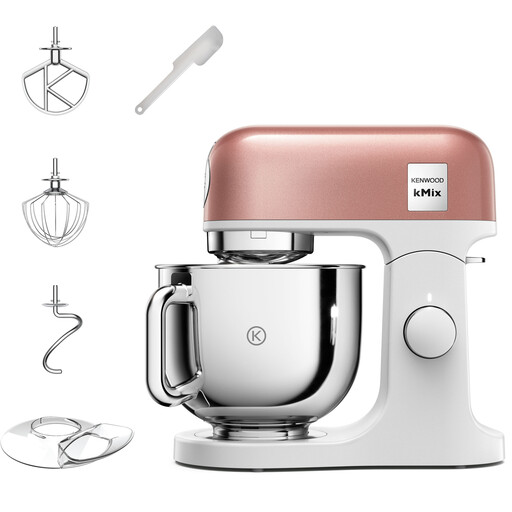
Consider this variant if its bowl, tools and storage requirements suit the way your kitchen shares equipment. Check the washing instructions for each food-contact part before agreeing a handover routine.
 No image available
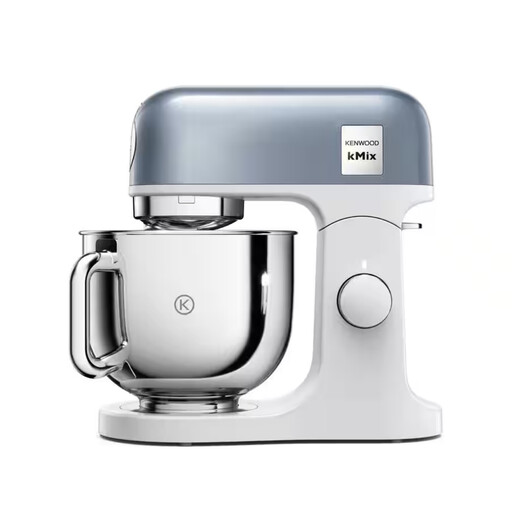
Consider this blue kMix Editions variant if you can confirm that its bowl and controls suit adding egg gradually. Check its appliance dimensions against the allocated storage space and its cleaning instructions against your shared routine.
 No image available
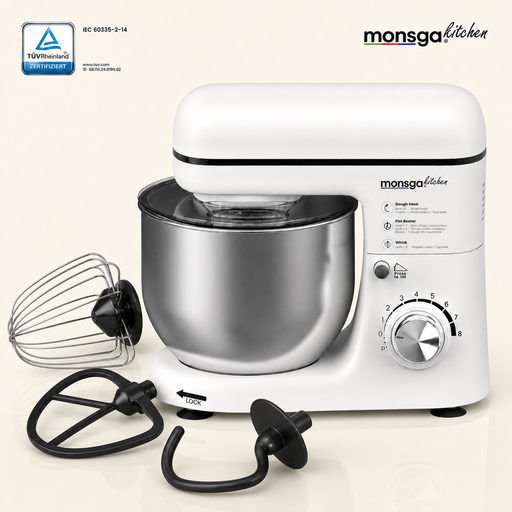
Its stated 5.0L stainless-steel bowl is a consideration if your planned batches call for more room, but check the recipe against the model’s usable limits. The product name specifies eight speed settings and a beater, whisk and splash guard; it describes 1000W as peak power, not a measured choux performance figure.
 No image available
The stated 4.3L bowl makes this a mid-size option to assess against your usual recipe quantity. Its product name specifies three bowl tools; check which tool you would use for choux and whether the parts meet your shared-kitchen washing routine.
 No image available
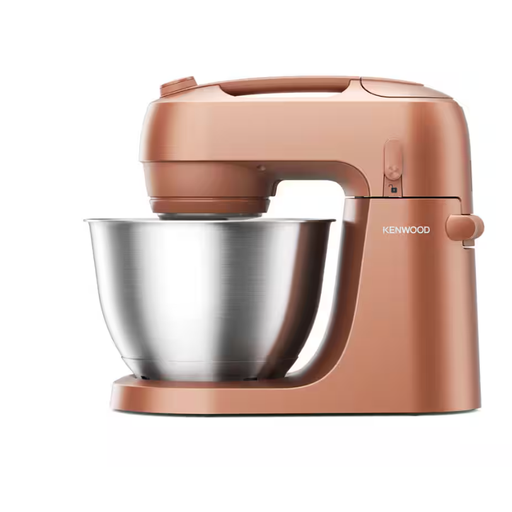
This compact-format model is worth assessing when the mixer must be put away after use. Kenwood lists a 4L bowl, 30cm height, 6.3kg weight and six speeds plus pulse for the KZM35.000RD; check where its bowl and tools can be washed and stored between users.
No: you can cook the flour paste separately, let it cool to hand temperature and then use a conventional stand mixer to beat in egg gradually, following Good Food’s choux method. Kenwood’s Cooking Chef KCL96.004DG offers in-bowl induction heating, but its stated 15.25kg weight also needs a practical place in a shared kitchen.
Choose controls that let you add egg in portions and pause to check the dough’s texture. Good Food’s method calls for gradual incorporation; neither bowl size nor motor wattage guarantees the right consistency.
Wash and check the bowl and food-contact tools according to their instructions, then keep clean parts separate from unwashed ones. In food-establishment settings, Food Standards Agency guidance calls for allergenic ingredients to be controlled and other foods protected from cross-contamination; a dishwasher-safe label alone does not settle that responsibility.